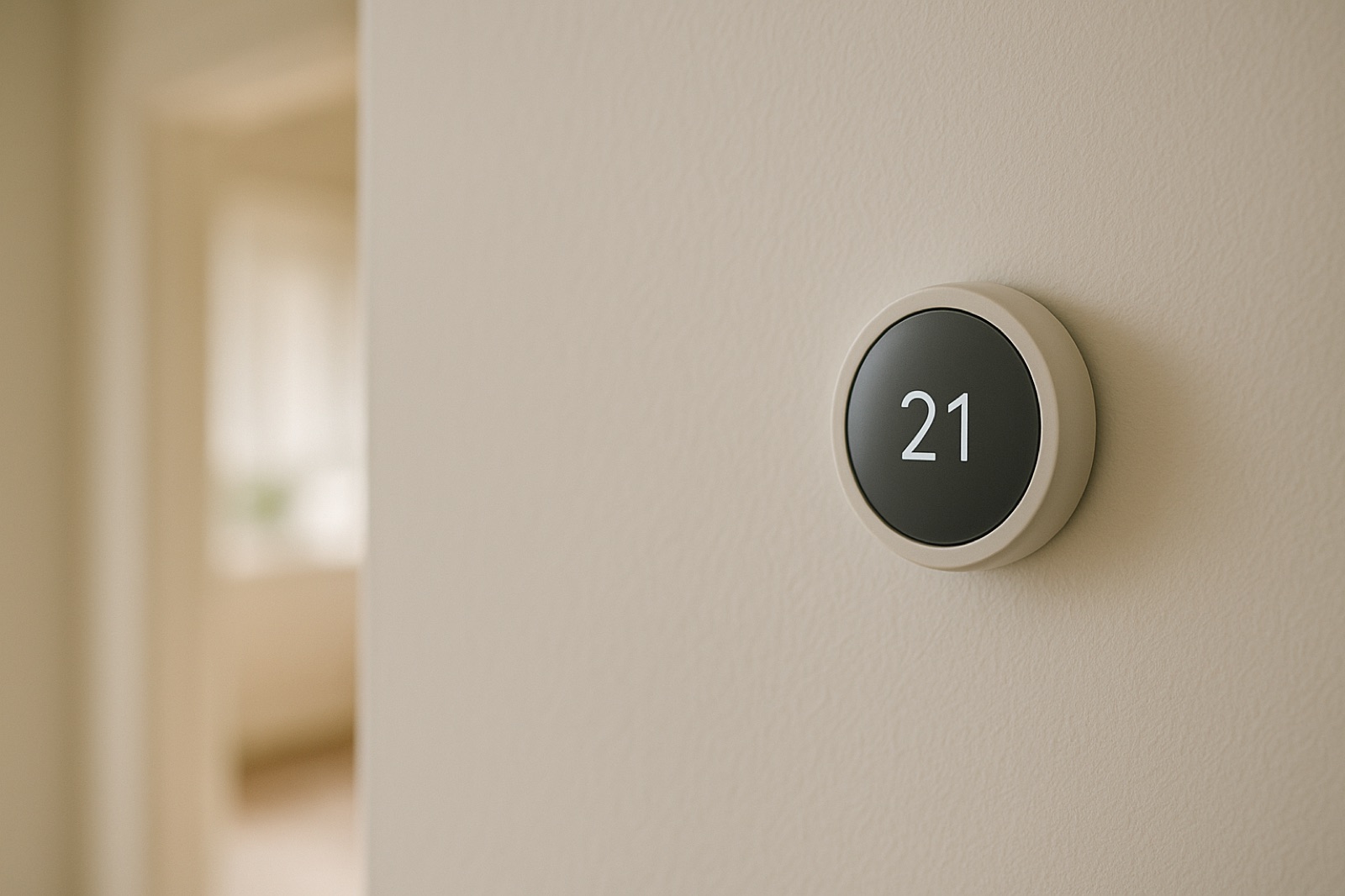
As energy efficiency becomes increasingly critical for homeowners, electric heating systems are gaining traction. A recent report indicated that electric heating reached its highest-ever share of the U.S. new housing market in 2024, with 61% of completed units outfitted with some type of electric system, according to data from the U.S. Census Bureau. This trend invites a closer examination of what electric heating means for homeowners looking to upgrade or install new systems.
Understanding Electric Heating Systems
Electric heating systems encompass a range of technologies, including electric furnaces, baseboard heaters, and heat pumps. Unlike traditional fossil fuel systems, electric heating relies on electricity to generate heat, which can then be distributed throughout the home. This shift is not just about convenience; it reflects broader changes in energy supply and demand, moving towards renewable sources of power.
Benefits of Electric Heating
One of the primary advantages of electric heating systems is their efficiency. Modern electric heaters can convert almost all the electricity they use into heat, making them highly efficient compared to older gas or oil systems. Additionally, with the rising integration of renewable energy sources into the grid, homeowners can benefit from lower energy costs and a reduced carbon footprint.
Electric heating systems also allow for zoned heating. This means that rooms can be heated independently, providing better comfort and efficiency. Homeowners can selectively heat spaces that are in use while allowing others to remain cooler, potentially lowering utility bills.
Challenges to Consider
While electric heating offers many benefits, there are challenges to keep in mind. The switch to electric heating often requires a new infrastructure, particularly if the home was previously equipped with gas heating. Homeowners may need to upgrade their electrical panels or wiring to accommodate the increased load, which can incur additional costs.
Furthermore, in regions where electricity rates remain high or unstable, electric heating can lead to increased monthly bills. Homeowners should evaluate their local energy costs and consider the total cost of ownership over time, including installation and potential upgrades.
Future Outlook and Recommendations
As the trend towards electric heating continues, it is essential for homeowners to stay informed. The growing market share of these systems indicates that electric heating will not only become more prevalent but also more versatile and efficient.
For those considering a switch to electric heating, conducting a thorough energy audit of the home can be invaluable. This will help to determine heating needs, existing electrical capacity, and the most efficient systems available. Additionally, homeowners should consult with HVAC professionals who can provide insights on the latest technologies and their compatibility with existing systems.
In summary, while the transition to electric heating systems presents some challenges, the potential for enhanced efficiency and comfort makes it an option worth considering. By approaching the switch with careful planning and informed decisions, homeowners can benefit from this shift towards cleaner energy sources.
For local service context, see a roofing contractor such as Keys Roofing.