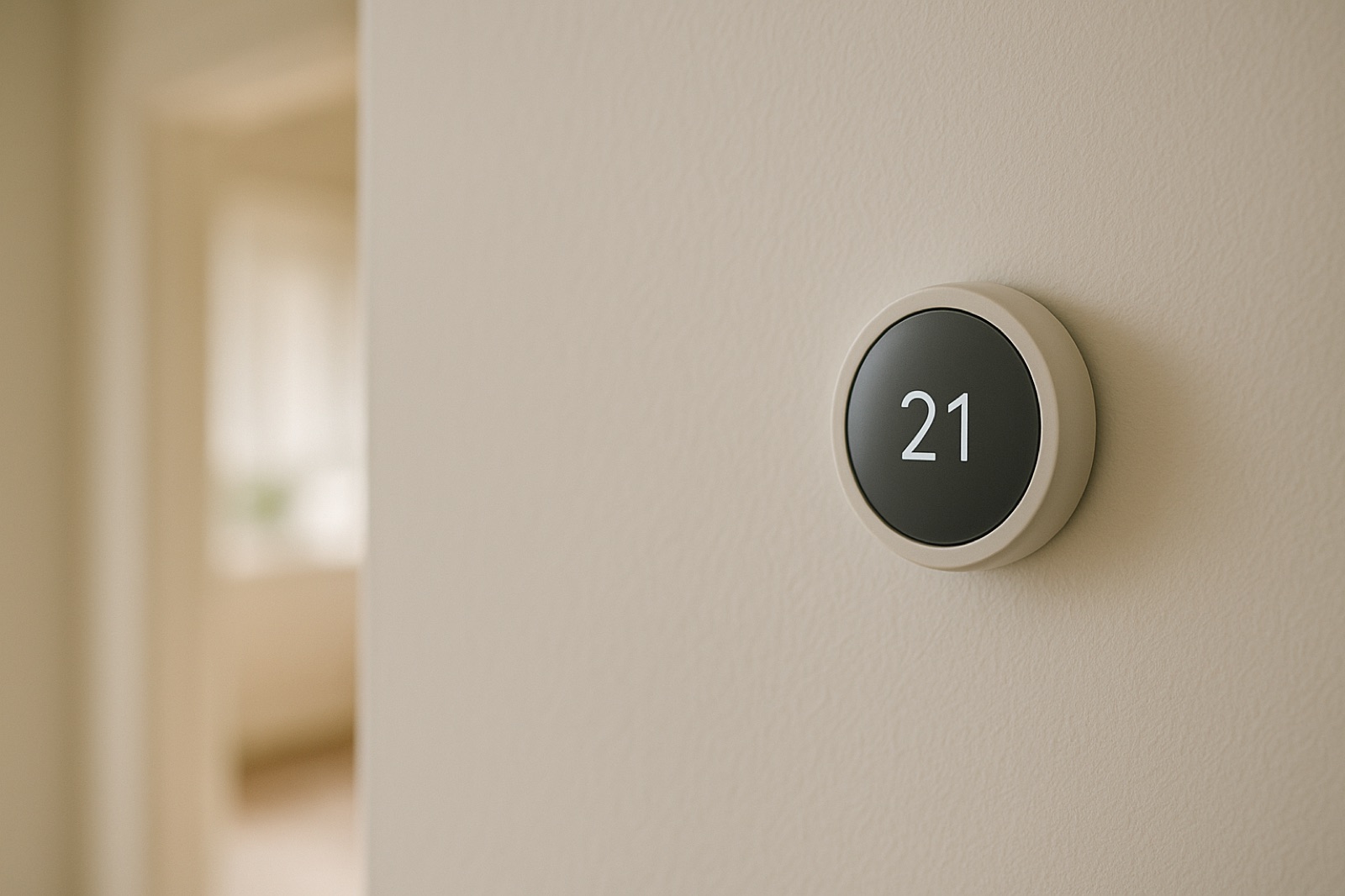
As the demand for energy-efficient home solutions continues to grow, electric heating is gaining traction among homeowners and builders alike. According to a recent report from the Building Decarbonization Coalition, electric heating reached its highest-ever share of the U.S. new housing market in 2024, with 61% of newly completed homes outfitted with some type of electric system. This shift reflects a broader trend towards adopting cleaner energy sources and improving the overall energy efficiency of residential spaces.
Understanding the Change
The move towards electric heating systems is not merely a passing trend but a response to several factors influencing modern housing. Among these, the push for decarbonization and energy efficiency is paramount. By utilizing electric heating systems, homeowners can leverage renewable energy sources such as solar and wind, reducing their carbon footprint and dependence on fossil fuels.
Types of Electric Heating Systems
Electric heating systems come in various forms, each with distinct advantages and applications. Here are a few common types:
- Electric Furnaces: These systems convert electricity into heat through resistance coils, providing a straightforward and effective heating solution.
- Heat Pumps: Electric heat pumps are particularly advantageous in moderate climates, transferring heat from the outside air or ground into the home. They are known for their efficiency and can double as cooling systems in warmer months.
- Radiant Floor Heating: This system uses electric coils or heated water pipes beneath the flooring, delivering warmth evenly throughout the room. It's an increasingly popular choice for new builds and renovations.
As electric heating systems become more prevalent, homeowners should evaluate which type best fits their heating needs and home layout.
Installation Considerations
For those considering a switch to electric heating, several factors should be taken into account:
- Electrical Infrastructure: Ensure your home's electrical panel can handle the additional load of electric heaters. It may require an upgrade to accommodate new systems.
- Insulation and Energy Efficiency: Before investing in electric heating, assess your home's insulation and overall energy efficiency. A well-insulated home will benefit more from any heating system, especially electric ones.
- Local Climate: The effectiveness of certain electric heating systems, like heat pumps, depends on the local climate. Homeowners in milder climates might find heat pumps more economical than electric furnaces.
Consulting with an HVAC professional can provide insights tailored to your specific home and circumstances.
Long-Term Benefits
Transitioning to electric heating can yield several long-term benefits for homeowners:
- Lower Operational Costs: Although the initial installation may be higher, many electric heating systems are more efficient, resulting in lower utility bills over time.
- Reduced Environmental Impact: By choosing electric heating, particularly in conjunction with renewable energy sources, you can significantly lower your home's carbon emissions.
- Increased Comfort Control: Electric heating systems often provide more precise temperature control, allowing for a more tailored and comfortable living environment.
As electric heating systems become a more common choice in new construction, homeowners must stay informed about their options. Understanding how these systems work, their installation requirements, and the benefits they provide can help you make an informed decision. For more details on this growing trend, see the Electric Heating Gains Momentum in New Homes article from ACHR News.
For local service context, see a roofing contractor such as Keys Roofing.