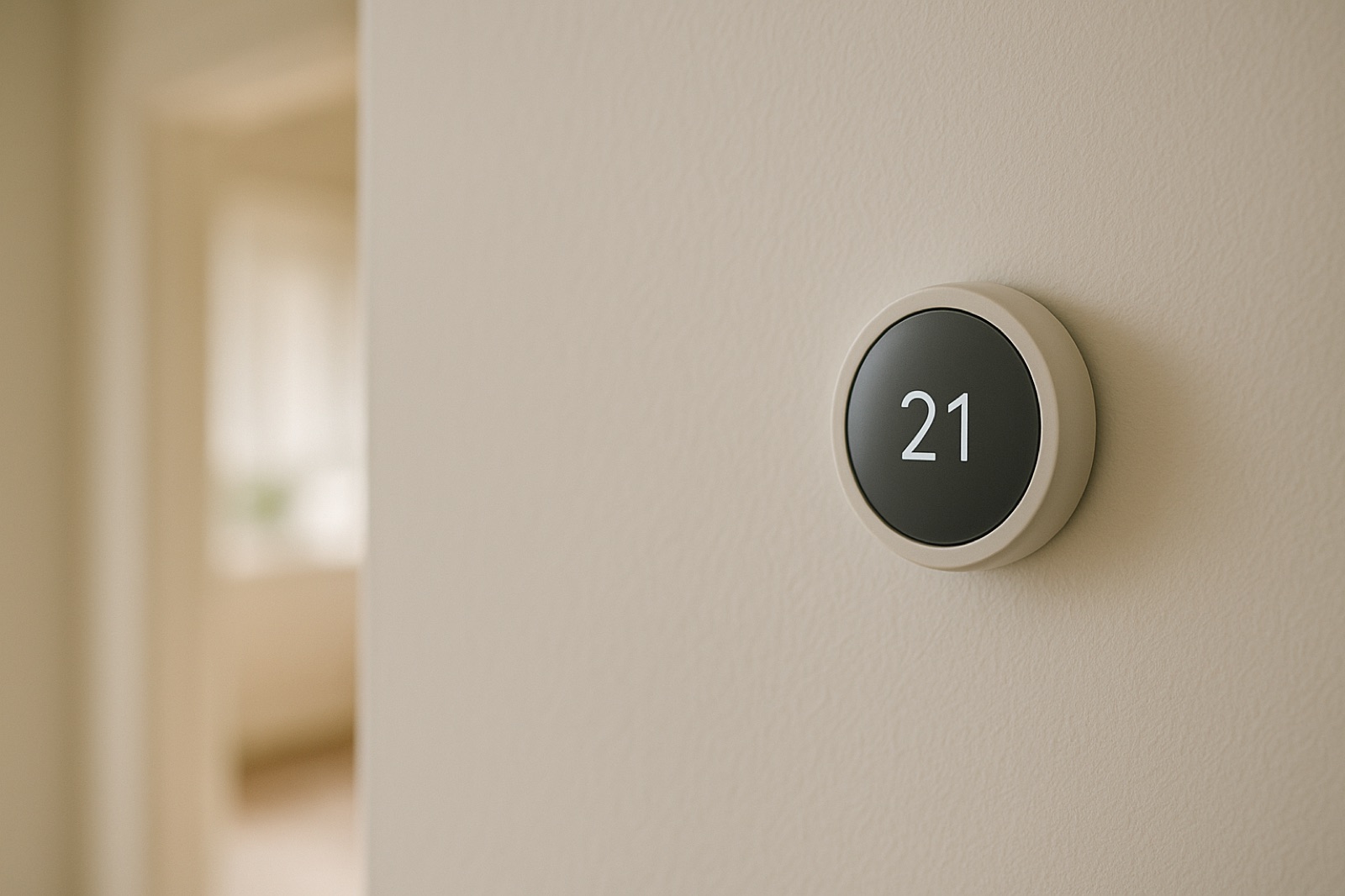
As homeowners, we often seek ways to improve our heating systems, making them more efficient and cost-effective. Understanding the principles of energy efficiency and the evolving landscape of energy policies can guide us in optimizing our home heating solutions. With the U.S. Department of Energy's (DOE) initiatives aimed at enhancing energy efficiency, homeowners are better positioned to make informed decisions about their heating systems.
The Basics of Heating Efficiency
Heating efficiency is a measure of how effectively a heating system converts fuel into usable heat. Various factors contribute to the overall efficiency of your home heating system, including the type of system (furnace, boiler, heat pump), its age, the insulation quality in your home, and the overall system design. A well-maintained system with the right thermostat settings can significantly reduce energy consumption.
For instance, if you have a furnace, consider its annual fuel utilization efficiency (AFUE) rating. This percentage indicates the amount of fuel converted into heat. An AFUE of 90 means 90% of fuel is converted into heat, while 10% is lost. When upgrading, look for units with a higher AFUE rating to maximize efficiency.
Current Energy Policies and Their Impacts
Government policies play a significant role in shaping the home heating landscape. Recently, the DOE has focused on various initiatives to promote energy efficiency, including rebates and incentives for homeowners who upgrade their heating systems. Understanding these policies can help you capitalize on available benefits.
For instance, the Solar Achievements Timeline outlines how governmental efforts have aimed to make renewable energy sources, such as solar, more viable. While this focuses on electricity, it highlights a broader push towards reducing reliance on traditional fossil fuels, indirectly affecting heating systems that rely on oil or gas.
In addition, programs targeting energy efficiency upgrades, such as those mentioned in the solar timeline, help homeowners offset costs associated with replacing older heating systems. These incentives encourage investments in modern, efficient equipment, ultimately leading to lower energy consumption and reduced emissions.
Practical Steps to Enhance Heating Efficiency
As a competent homeowner equipped with a multimeter, there are several hands-on steps you can take to enhance your heating system's efficiency:
- Regular Maintenance: Performing routine maintenance, such as cleaning filters and checking for leaks, can dramatically improve system performance.
- Upgrade Components: Consider replacing older components like thermostats with programmable or smart models that optimize heating schedules based on your lifestyle.
- Seal Air Leaks: Use caulk or weather stripping to seal any gaps around windows and doors to minimize heat loss.
- Insulation Check: Inspect your attic and walls for adequate insulation. Upgrading insulation can significantly reduce heating demands.
Many of these tasks are straightforward and can make a substantial impact on your home’s heating efficiency.
Looking Ahead
As energy policies continue to evolve, homeowners must stay informed about the options available to enhance their heating systems. The DOE's initiatives and incentives are just a part of a larger push towards energy efficiency and sustainability. By understanding how these changes affect your home, you can make better decisions that not only improve comfort but also save money in the long run.
In conclusion, evaluating the efficiency of your home heating system in light of current energy policies can empower you to make informed decisions. Whether you are considering an upgrade or simply aiming to enhance your existing system, being proactive about efficiency can lead to significant benefits.
For local service context, see a roofing contractor such as Keys Roofing.