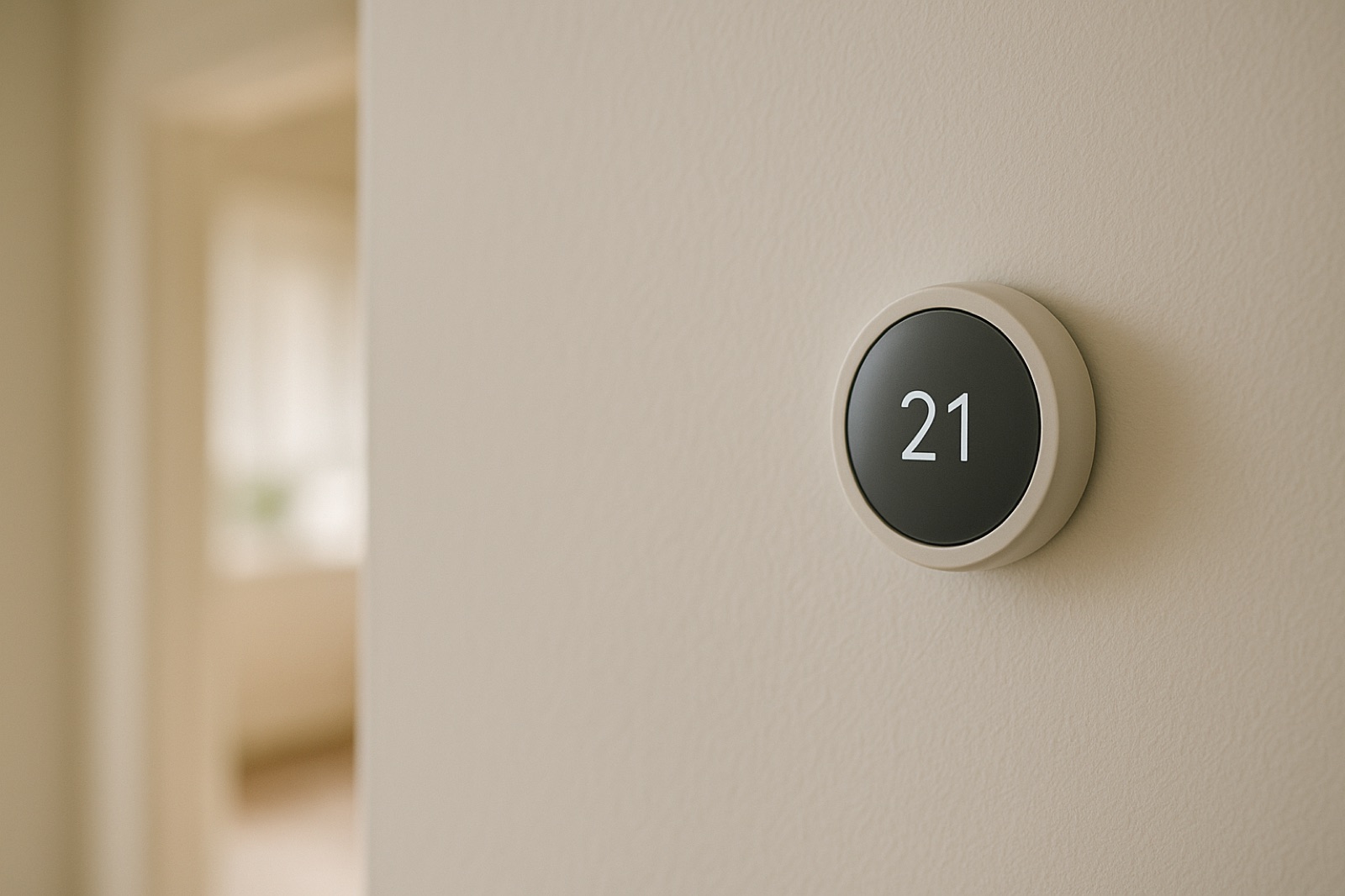
As the demand for energy efficiency and sustainability continues to rise, homeowners are witnessing a significant shift in how new homes are being equipped for heating. Recent data indicates that electric heating has reached a new high in the U.S. housing market. Specifically, in 2024, 61 percent of completed new units were outfitted with some type of electric heating system, signaling a notable trend in residential construction.
The Move Towards Electrification
This transition towards electric heating systems reflects broader national goals of reducing carbon emissions and enhancing energy efficiency. Homeowners looking to capitalize on these changes should understand the various types of electric heating options available. From heat pumps and electric furnaces to radiant floor heating, these systems are not only efficient but also offer homeowners greater control over their indoor climate.
Advantages of Electric Heating
Electric heating systems are generally easier to install than traditional gas systems, particularly in new builds where ductwork may not yet be established. They also tend to require less maintenance, which can be a significant advantage for homeowners who prefer a set-it-and-forget-it approach. Additionally, many electric systems can integrate seamlessly with smart home technologies, providing enhanced control over energy usage and comfort levels.
The Impact of Incentives on Adoption Rates
As electric heating gains momentum, various federal and state programs are helping to facilitate this transition. The Department of Energy’s recent rebate programs, which include initiatives such as HOMES and HEEHR, offer financial incentives for homeowners who upgrade to energy-efficient HVAC systems. By taking advantage of these rebates, homeowners can significantly offset the initial investment required for a new electric heating installation. According to a recent article from ACHR News, these initiatives are designed to support not only individual homeowners but also HVAC contractors, thereby energizing the entire sector.
Considerations for Homeowners
While the benefits of electric heating are compelling, homeowners should also consider the overall energy consumption and the source of that electricity. In areas where electricity is generated from fossil fuels, the environmental advantages may be less pronounced. Homeowners in regions with a substantial renewable energy supply, however, can maximize the benefits of electric heating systems.
Moreover, homeowners should evaluate their current infrastructure. For example, if your home is already equipped with gas lines and traditional heating systems, the cost of converting to electric heating might be higher than expected. A thorough assessment of your home’s energy needs and existing systems, possibly with the help of a qualified HVAC professional, is essential to make an informed decision.
Preparing for the Future
The trends in the housing market indicate an increasing preference for electric heating solutions. Homeowners who adapt to these changes early may not only enhance their comfort but also position themselves to benefit from evolving energy policies and technologies. As electric heating continues to gain traction, understanding the implications of this transition will be crucial for homeowners looking to future-proof their residences.
In conclusion, the rise of electric heating systems is more than just a trend; it reflects a fundamental shift in how we approach home comfort and energy efficiency. By staying informed about these changes and the available incentives, homeowners can make proactive choices that align with their comfort needs and environmental goals.
For local service context, see a roofing contractor such as Keys Roofing.