Keep the Outdoor Heat Pump Breathing Through Winter: Clear the Snow Line First
Heat pump adoption keeps climbing, so check the outdoor unit's airflow, defrost path, and winter access before the first storm.

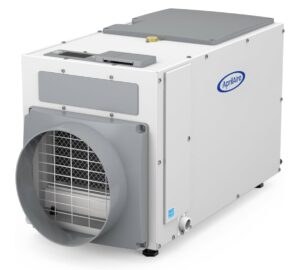
When indoor air feels sticky even with the thermostat satisfied, the problem is usually latent load. The bench procedure for making a central system pull water out of the air again.
Heat pump adoption keeps climbing, so check the outdoor unit's airflow, defrost path, and winter access before the first storm.
National heat pump adoption numbers show where builders are heading, so build your own twelve-month heating baseline before you compare any system.
A heat pump quote is only as sound as the electrical numbers behind it, and those numbers start on your panel label and the equipment data plates.
Heat pumps are spreading through new homes, but a retrofit owner needs to check the backup heat, defrost cycle, and airflow on the equipment already in the house.
A humming outdoor unit with a sluggish fan often points to the run capacitor, and a multimeter can confirm or clear it in a few minutes with the power off.
Condensation on a cold refrigerant line points to the insulation, its seams, and the surface temperature, and you can check all three with a thermometer and a flashlight before the next humid stretch.
A clean-looking humidifier can still be starved of water, held up by a slow drain, or fed by a valve that never opens, so check each link in order before you blame the pad.
Falling deal multiples still leave room for strong shops, and a homeowner can judge a contractor's staying power from the paper trail, the technicians who keep returning, and a continuity file kept in their own hands.
Radiant ceiling heat warms the objects and people in a room directly, so judge it by how the room feels and what the surfaces read, not by the air number on the wall.
The furnace's temperature rise is printed on its data plate, and a ten-minute pair of readings tells you whether the airflow matches it.
A deal-market report says nothing about your appointment book, but it is a fair reminder that good local firms stay busy, so the homeowner who books early gets the easier window.
A sensor that looks fine can still starve the burner flame, and a meter reading before the heating season tells you whether the fix worked.
A falling sale multiple tells you what buyers will pay for a contractor's earnings, so read it as a market signal and keep judging the work by what happens with your own equipment.
When buyers pay less for HVAC companies, the value worth checking is the technician who will work on your system, not the logo on the van.
A running furnace can still be working against its own ductwork, and a two-port manometer shows you by how much before you call anyone.
Hardness and cost rankings pulled straight from verified field data, framed around what they do to your equipment.