A steel water heater tank survives decades of hot, oxygenated, mineral-loaded water for one reason: it is designed to sacrifice a cheaper part first. Threaded into the top of nearly every tank heater is an anode rod, a stick of magnesium or aluminum alloy wrapped around a steel core wire. Through basic galvanic chemistry, the rod corrodes preferentially, protecting every exposed patch of steel where the glass lining has hairline gaps. When the rod is consumed, the tank itself becomes the anode, and the countdown to a rusty puddle begins.
The rod is a consumable, like brake pads. Almost nobody checks it. That is the entire reason "water heaters last about a decade" passes for wisdom: tanks rarely wear out before their unchecked anodes do.
What hard water changes
Hard water, the calcium-and-magnesium-rich stuff much of the Midwest pumps, attacks a water heater from two directions at once.
First, scale. Dissolved minerals come out of solution when water is heated and settle as sediment on the tank bottom and as crust on surfaces, including the anode itself. A scale-armored anode cannot corrode freely, which sounds like a savings and is not: the protection current drops while the tank keeps aging. On gas heaters, bottom sediment also insulates the flame from the water, which you can hear as popping and rumbling while efficiency slides.
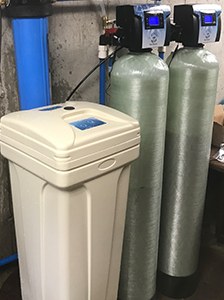
Second, the fix for hard water has its own side effect. Softened water is more electrically conductive and slightly more aggressive toward the anode, so a softener tends to speed up rod consumption. That is not an argument against softening: it is an argument for checking the rod more often, because the softener is meanwhile protecting the tank bottom, your fixtures, and every appliance downstream from scale.
The inspection, honestly described
Budget an hour the first time. Kill power at the breaker for electric, set gas control to pilot for gas. Close the cold inlet, relieve pressure at a hot tap, and drain a couple of gallons. The rod lives under a 1-1/16 inch hex head on top of the tank, usually torqued by the factory like they never wanted to see it again: a breaker bar or an impact wrench is the difference between a job and a fight.
Pull the rod and read it like a dipstick:
- Mostly intact, surface pitted: healthy. Reinstall with fresh thread sealant tape and check again in two years.
- Core wire visible anywhere, or rod caliper-thin: replace it now. Rods are cheap; tanks are not.
- Crusted in mineral shell: replace, and take it as a message about your water.
Close the loop on the water itself
While the tank is drained down, flush sediment out of the drain valve until it runs clear. Then do the diagnostic that makes the whole picture make sense: test your water hardness with a cheap strip kit. If the strips read very hard, your anode schedule, your popping tank, your spotted glassware, and your crusty aerators are all the same problem wearing different hats, and it is worth having a water treatment shop like Jones Air & Water run a proper test and price out treatment. A softener changes the maintenance math on every water-touching appliance you own.
The schedule that saves the tank
Check the anode at year two or three, then on the interval its condition suggests: every couple of years on soft or softened water, a bit longer on moderate water if the rod keeps reading healthy. Flush sediment annually in hard water country. Do those two boring things and the tank that "should" die at ten frequently sails past it, which turns the anode rod into some of the cheapest insurance in the house.