The HVAC industry is currently experiencing a substantial shift, driven in part by significant government initiatives. One of the most notable is the Department of Energy's (DOE) $8.8 billion rebate programs designed to encourage consumers to upgrade their heating and cooling systems. These programs focus on the HOMES and HEEHR initiatives, which aim to make energy-efficient systems more accessible to homeowners. For those interested in optimizing their home comfort systems, understanding how these rebates work can be crucial for both cost savings and energy efficiency.
How the Rebates Work
The HOMES initiative provides rebates for homeowners who make energy-saving improvements to their homes, particularly in HVAC upgrades. The HEEHR program specifically targets high-efficiency electric heating and cooling systems. By participating in these programs, homeowners can reduce the upfront cost of high-performance equipment, which may otherwise be a barrier to upgrading. This aligns with the broader trend toward energy efficiency and sustainability in home construction and renovation.
Benefits of Upgrading HVAC Systems
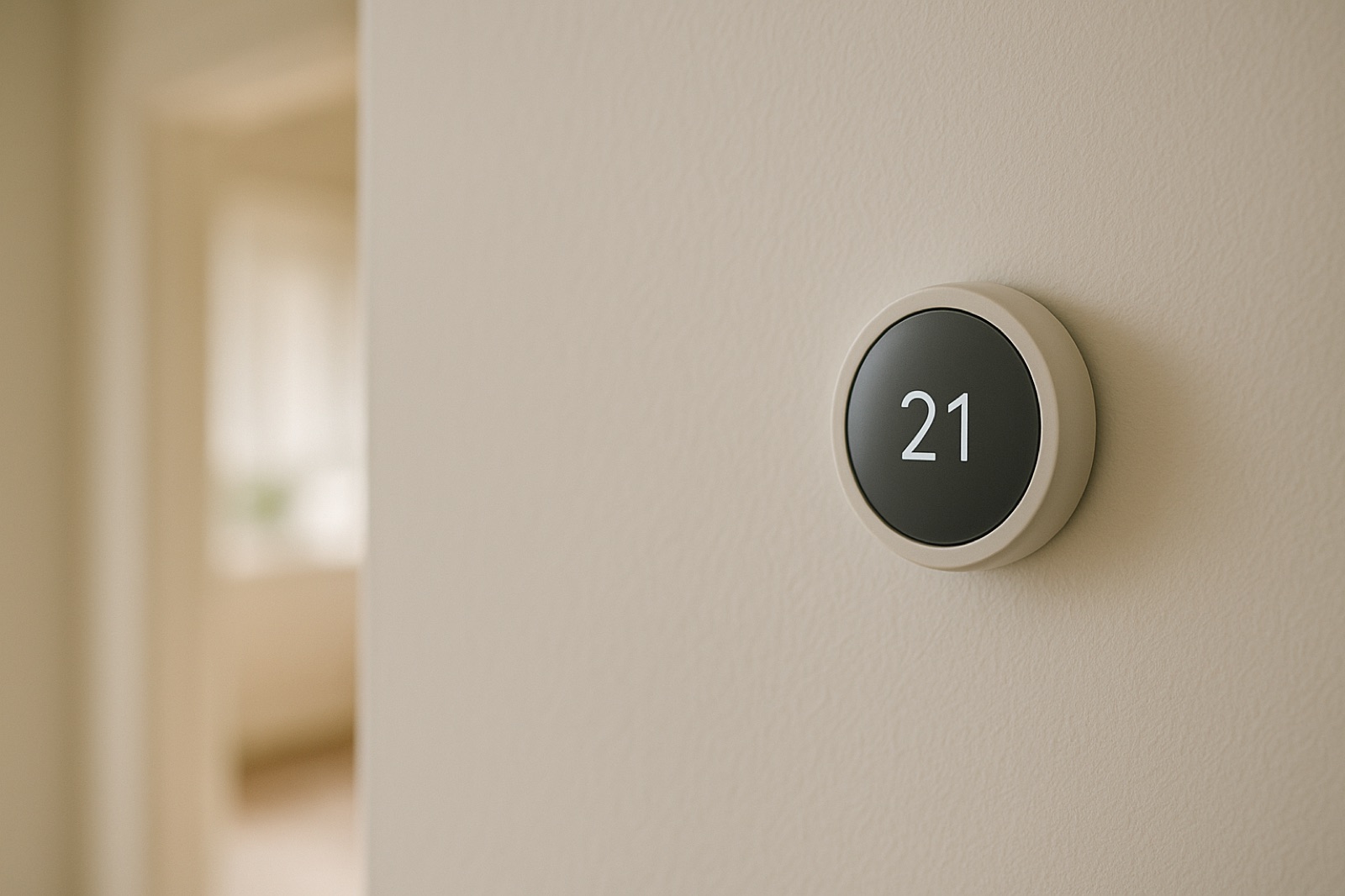
Upgrading to newer, more efficient HVAC systems can yield substantial benefits. Not only do modern systems consume less energy, but they also provide improved comfort levels, reduced noise, and enhanced air quality. With the integration of smart technology, homeowners can also monitor and control their systems more effectively, leading to further energy savings. Given the current energy landscape, investing in energy-efficient systems is a practical choice for those looking to improve their homes.
Challenges and Considerations
While the rebate programs are helpful, they are not without challenges. Homeowners should be aware of the specific requirements and eligibility criteria that apply to these rebates. It is advisable to consult with a qualified HVAC contractor who can provide insights based on the latest regulations and ensure compliance with local building codes. Additionally, some homeowners may hesitate due to initial costs before rebates are applied. However, it's essential to factor in long-term savings on energy bills, which can offset these costs over time.
The Future of HVAC and Energy Efficiency
The growing emphasis on energy efficiency is not just a trend but a necessary shift in how we approach home comfort systems. The DOE's investment reflects a commitment to reducing energy consumption and greenhouse gas emissions across the nation. As noted in the article "How DOE's $8.8B Rebate Programs Help HVAC" from ACHR News, these programs can significantly boost HVAC contractors' businesses, ultimately benefiting homeowners looking for sustainable solutions.
In conclusion, for homeowners contemplating an HVAC upgrade, the DOE's rebate programs present a valuable opportunity. By taking advantage of these incentives, you can enhance your home's comfort while contributing to a more sustainable future. Investing in energy-efficient technologies is not just about immediate savings; it is about making a long-term commitment to energy conservation and responsible living.
For local service context, see a water treatment shop like Jones Air & Water.