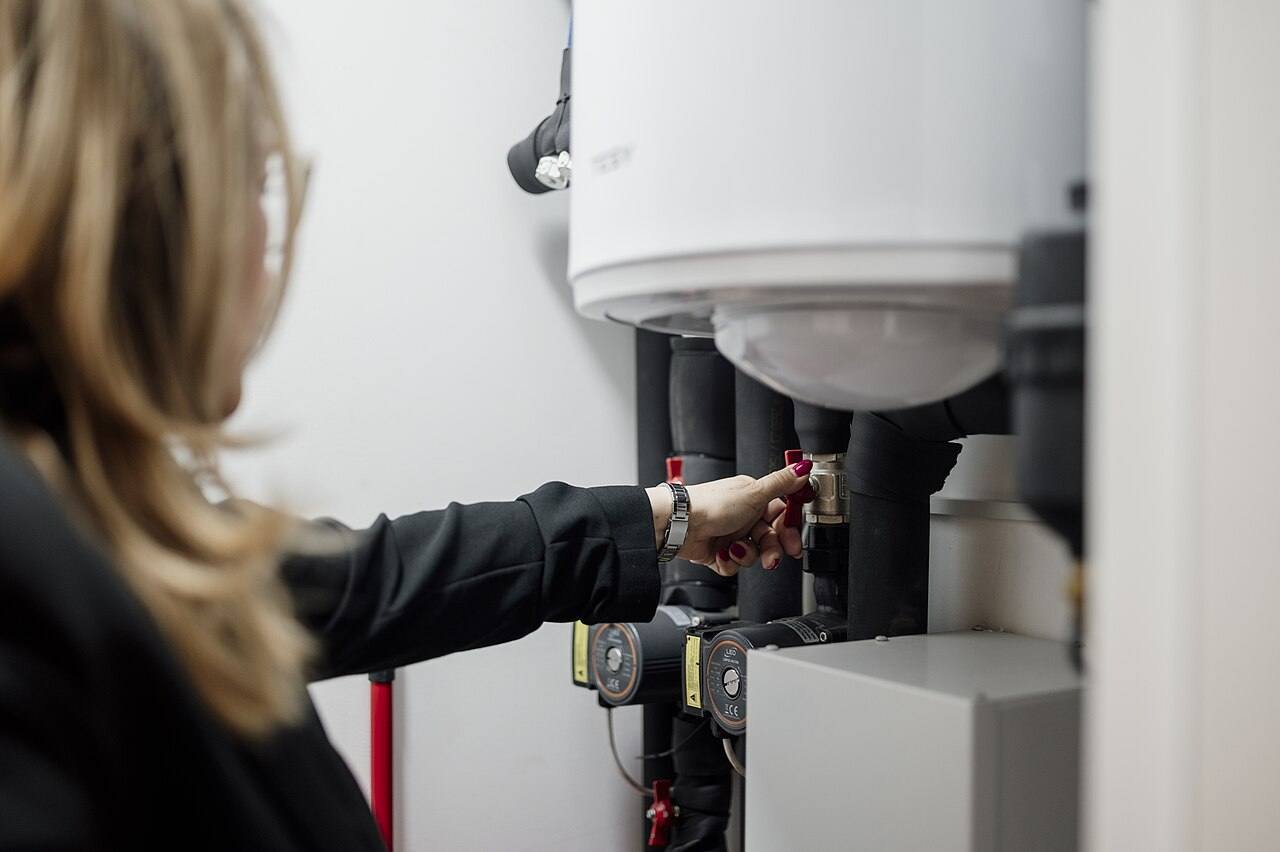
When installing or servicing HVAC systems, one process that should never be overlooked is evacuation. This step involves removing air and moisture from the refrigerant lines and the system itself, ensuring that the system operates efficiently and reliably over its lifespan. Yet, in an industry often focused on smarter controls and higher efficiency ratings, evacuation remains a key factor that is sometimes treated merely as a checkbox. Proper evacuation isn't just about ticking off a list; it’s about protecting the system.
The Basics of Evacuation
Evacuation is essential for anyone dealing with refrigerants, particularly in systems that use newer, more efficient refrigerants. When air enters the system, it can introduce moisture that leads to corrosive acid formation when combined with refrigerants. These acids can damage the compressor and other components, resulting in early failures and costly repairs. To avoid these pitfalls, a competent homeowner can perform an evacuation using a vacuum pump and a multimeter to check for leaks.
Why Deep Evacuation Matters
According to a recent article in ACHR News, deep evacuation is crucial not just for efficiency but also for system protection. This method ensures that the level of vacuum in the system is low enough to remove all moisture and impurities. Many technicians might think a quick evacuation will suffice, but this can lead to system failures down the line. A thorough evacuation typically requires running the vacuum pump longer than many are accustomed to, but the benefits far outweigh the extra time spent.
How to Perform a Proper Evacuation
For those looking to tackle this project themselves, here’s a basic step-by-step guide:
- Gather Your Tools: You will need a vacuum pump, gauges, and a multimeter. Make sure your tools are in good working order.
- Connect the Equipment: Attach the vacuum pump to the service ports on the HVAC system using the appropriate hoses. Ensure that all connections are secure to prevent leaks.
- Purge the Lines: Before starting the pump, it’s a good idea to purge the lines with nitrogen to remove any air. This initial step can help minimize moisture.
- Start the Vacuum Pump: Turn on the pump and let it run until you reach at least 500 microns of vacuum. It’s advisable to hold this vacuum for a minimum of 15 minutes to ensure that any remaining moisture is extracted.
- Check for Leaks: Once you have completed the evacuation, turn off the pump and monitor the system for any signs of pressure rise. A sudden increase in pressure indicates a leak.
Benefits of Proper Evacuation
Investing time in a proper evacuation procedure means that your HVAC system can run efficiently while also extending its lifespan. A clean and well-maintained system uses less energy and works better, which translates to savings on utility bills. Moreover, you'll reduce the likelihood of costly repairs, enhancing your overall comfort and satisfaction with your home’s heating and cooling.
Conclusion
In summary, never underestimate the importance of proper evacuation in HVAC systems. While it may seem like a routine task, it is actually a critical step in ensuring the long-term performance and health of your system. By taking the time to perform a thorough evacuation, you can safeguard your investment and enhance your home comfort for years to come.
For local service context, see a water treatment shop like Jones Air & Water.