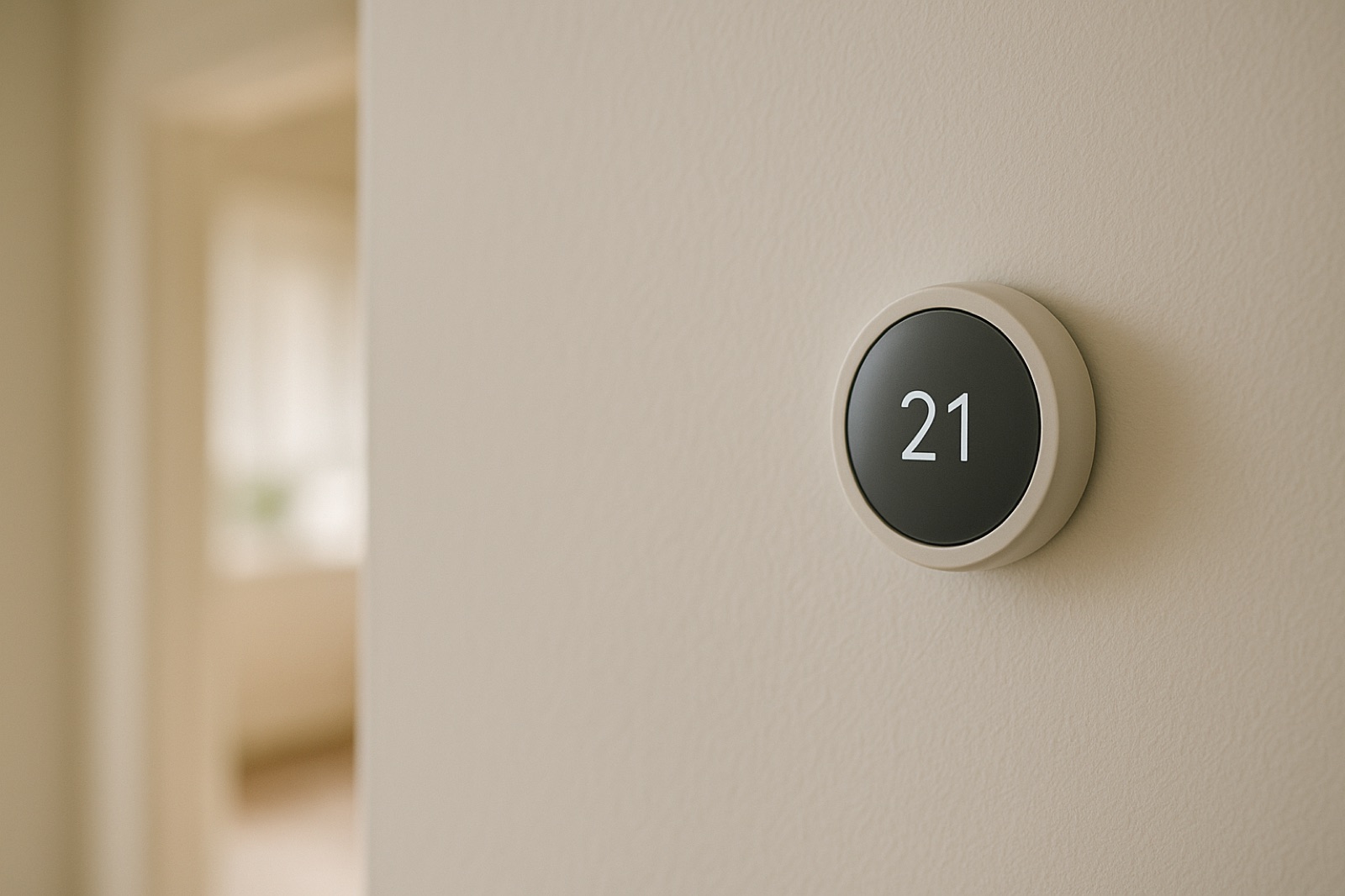
Heat pumps have become increasingly popular in residential heating and cooling applications due to their efficiency and versatility. This guide will walk you through the basics of how heat pumps operate, their benefits, and important installation considerations.
How Heat Pumps Work
At their core, heat pumps transfer heat from one place to another rather than generating heat through combustion. In heating mode, they extract heat from outdoor air (even in cold temperatures) and transfer it indoors. Conversely, in cooling mode, the process is reversed, and they expel indoor heat to the outside. This ability to reverse their function makes heat pumps a dual-purpose solution for both heating and cooling needs.
Types of Heat Pumps
There are several types of heat pumps available, with the most common being air-source and ground-source (geothermal) heat pumps. Air-source heat pumps are typically easier to install and less expensive upfront, while ground-source systems offer higher efficiency and consistent performance but require a more significant initial investment due to the excavation needed for installation.
Efficiency Ratings and Considerations
When choosing a heat pump, consider its efficiency ratings. The Seasonal Energy Efficiency Ratio (SEER) measures cooling efficiency, while the Heating Seasonal Performance Factor (HSPF) measures heating efficiency. A higher SEER or HSPF indicates a more efficient system. It is also worth noting that heat pumps perform best in moderate climates, and their efficiency can decline in extremely cold weather.
Installation Considerations
Proper installation is crucial for maximizing the performance and lifespan of a heat pump. This includes ensuring the correct sizing of the unit for your home's square footage and avoiding common pitfalls such as inadequate insulation or poor ductwork. Homeowners should also be prepared to engage a qualified HVAC contractor to assess their specific needs and perform the installation.
Maintenance for Longevity
Regular maintenance is vital to keep your heat pump running efficiently. This includes changing filters, cleaning the outdoor unit, and scheduling annual professional check-ups. By staying on top of maintenance, you can help ensure that your heat pump will last for many years of reliable service.
Future Trends in Heat Pump Technology
As energy efficiency standards continue to evolve, so does heat pump technology. The push for more sustainable solutions has led to innovations in heat pump design, including improvements in refrigerants and controls, which enhance their environmental performance. Homeowners should stay informed about these advancements when considering an upgrade.
Conclusion
Heat pumps represent a practical and efficient choice for homeowners looking to manage heating and cooling needs effectively. By understanding how they work and the factors involved in installation and maintenance, homeowners can make informed decisions that contribute to long-term comfort and energy savings.
For local service context, see a roofing contractor such as Keys Roofing.