As a competent homeowner, you're likely aware that the energy sources powering your home cooling systems have evolved significantly over the years. The move from traditional fossil fuels to more sustainable options is not just a trend but a crucial pivot in energy consumption that can affect both your utility bills and your environmental footprint.
Changing Energy Landscape
The transition toward more efficient and renewable energy sources is partly driven by government policies and incentives aimed at reducing carbon emissions. For example, the U.S. Department of Energy has been proactive in promoting energy efficiency through various initiatives, although these have primarily focused on larger-scale energy production rather than residential applications.
One of the most significant shifts has been the increasing popularity of electric heat pumps, which serve both heating and cooling functions. These systems draw heat from outside and transfer it indoors during the winter, and vice versa in the summer. They are more efficient than traditional air conditioning units that primarily run on electricity generated from fossil fuels.
Current Trends and Technologies
As technology progresses, more homeowners are considering not just what type of cooling systems they have but also how those systems obtain energy. Solar panels and battery storage systems are becoming increasingly common. By harnessing solar energy, you can power your cooling systems directly, thereby reducing reliance on grid electricity and lowering utility costs over time.
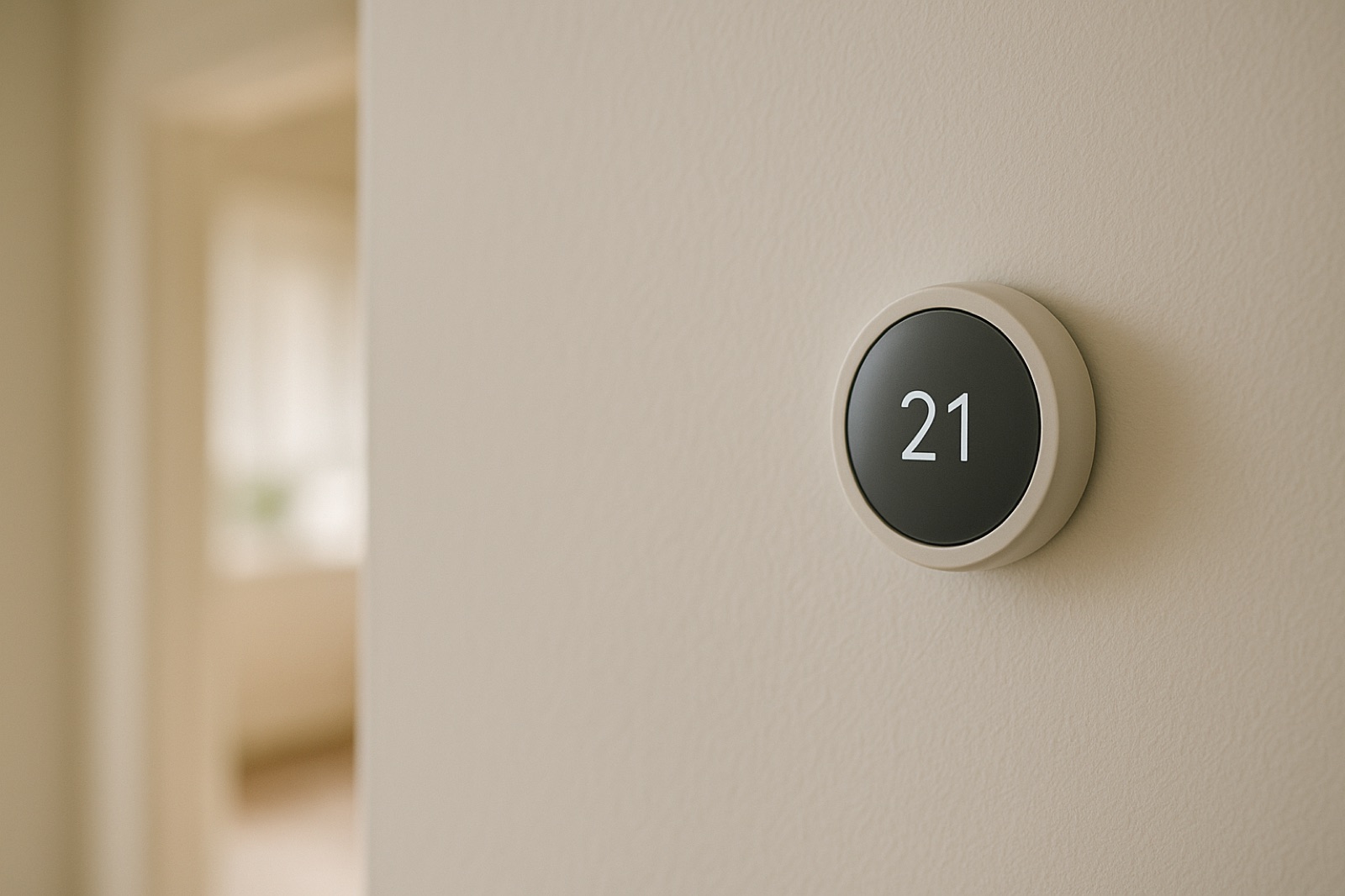
Smart thermostats also play a significant role in optimizing energy use. They allow homeowners to set schedules and adjust temperatures remotely, making it easier to manage energy consumption. These devices can analyze usage patterns and suggest optimal settings to minimize energy waste.
Assessing Your Options
For those looking to upgrade or replace their cooling systems, understanding the energy source is vital. Before deciding on a new air conditioning unit, consider checking the Seasonal Energy Efficiency Ratio (SEER) ratings. The higher the SEER rating, the more efficient the system will be. Additionally, if you're considering a switch to electric heat pumps, be sure to calculate the potential savings versus your current cooling method to justify the upfront investment.
It’s also worth looking into local incentives for energy-efficient systems. Many states and municipalities offer credits or rebates for installing renewable energy solutions or high-efficiency equipment. You could save money on your purchase while contributing to a greener planet.
The Future of Home Cooling
As we move further into the 21st century, the momentum toward sustainable energy sources will likely continue to grow. The combination of consumer demand, technological advances, and regulatory support suggests that homeowners will have an increasingly diverse range of options for powering their cooling needs.
Investing in energy-efficient cooling systems not only benefits the environment but can also yield long-term savings on utility bills. As you consider your options, remember to assess both the immediate costs and the long-term benefits of more sustainable energy sources.
In conclusion, by keeping an eye on evolving energy trends and making informed decisions, you can enhance your home comfort while also doing your part to contribute to a more sustainable future. The choices you make now can lead to significant benefits down the road.
For local service context, see a roofing contractor such as Keys Roofing.