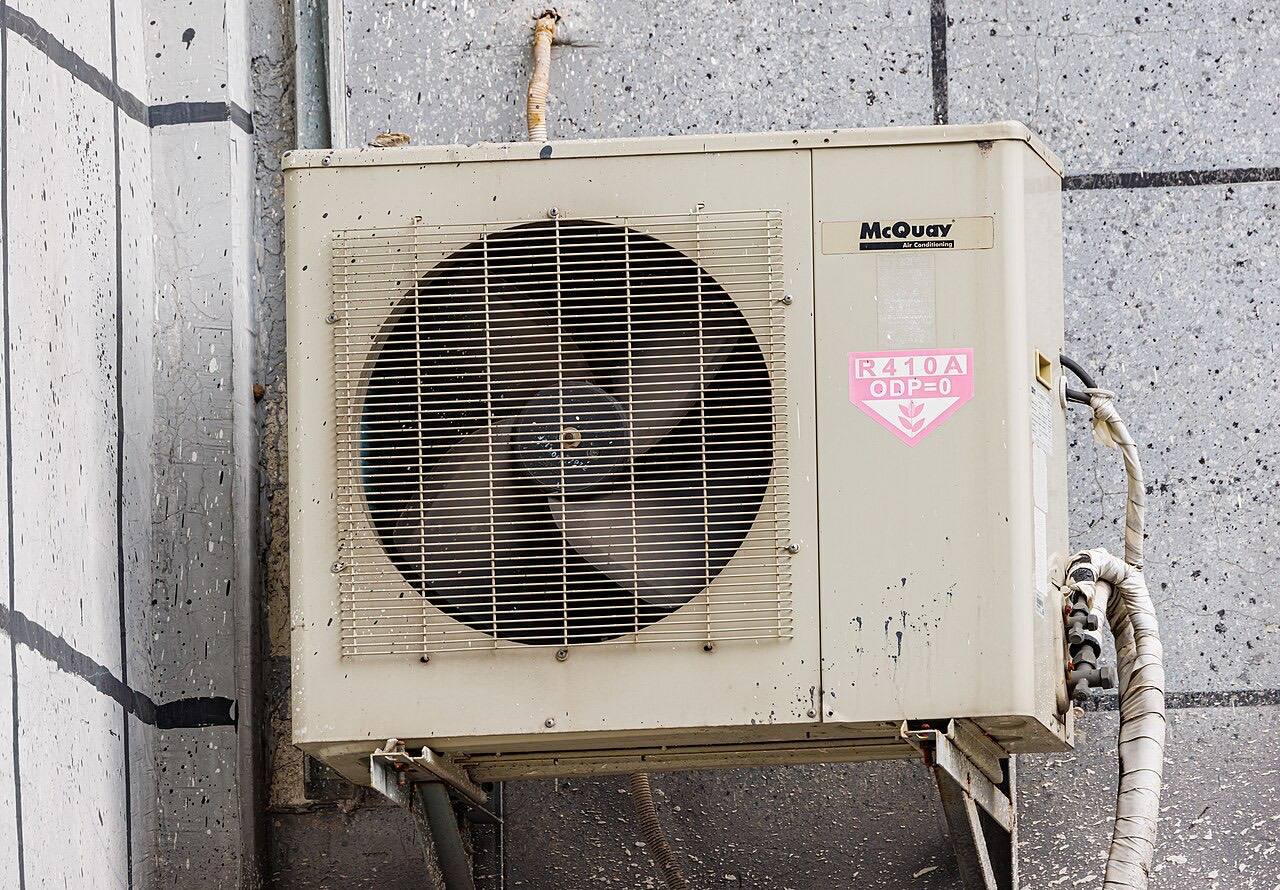
In the world of HVAC, where efficiency and reliability are paramount, the process of deep evacuation during system installation remains one of the most crucial steps. Despite advances in technology and the introduction of smarter controls and refrigerants, the importance of thoroughly evacuating a system cannot be overstated. This is not merely a checkbox on an installation checklist - it is essential for system protection.
Deep evacuation involves removing all moisture and non-condensable gases from the refrigeration system before it is charged with refrigerant. The presence of moisture can lead to ice formation within the system, negatively impacting performance and lifespan. Non-condensable gases, such as air, can prevent the refrigerant from functioning correctly, further diminishing efficiency. With new refrigerants entering the market, which often operate at different pressures and temperatures, ensuring a clean and dry system has become even more critical.
Why Deep Evacuation Matters
According to an article from ACHR News, "deep evacuation is not a checkbox, it is system protection." This statement encapsulates the need for careful attention to detail during the installation process. When a system is not properly evacuated, the long-term consequences can include reduced efficiency, increased operational costs, and ultimately a shorter lifespan of the equipment.
For the competent homeowner, understanding the evacuation process can also provide insights into what to look for when hiring an HVAC professional. If your technician is not performing a thorough evacuation, it may be a red flag. Homeowners should feel empowered to ask questions about the process and to ensure that steps are taken to protect their investment.
The Right Tools for the Job
For those who are hands-on and comfortable working with their HVAC systems, a deep evacuation is a process you can tackle yourself, provided you have the right tools. A reliable vacuum pump and a good vacuum gauge are essential. The vacuum pump should be capable of pulling down to at least 500 microns. Keeping a close eye on the vacuum gauge during the process can help you ensure that you have reached the necessary level of evacuation.
The process typically starts by connecting the vacuum pump to the service ports of the HVAC system. Open the valves on your manifold gauge set, and let the pump run for a minimum of 30 minutes or until the gauge indicates a stable vacuum reading. Once the desired vacuum level is reached, it’s advisable to let it hold for an additional 10 to 15 minutes before closing off the system. This ensures that there are no leaks and that the evacuation is effective.
Common Missteps to Avoid
One common misstep is assuming that simply running a vacuum pump for a short time is sufficient. Inadequate evacuation can cause moisture and air to remain in the system, leading to problems down the line. Additionally, using an undersized pump can also result in ineffective evacuation, so it's important to select equipment that is appropriate for your system.
Another mistake is neglecting to check the vacuum level during the process. A stable reading at the end of your evacuation does not guarantee success if the gauge fluctuates during the evacuation process. Monitoring this closely is key to ensuring that moisture and gases are fully removed.
In summary, deep evacuation is a non-negotiable step that plays a vital role in the longevity and efficiency of your HVAC system. For homeowners looking to get the most out of their heating and cooling systems, understanding this process and ensuring it is executed properly can lead to significant long-term benefits. Always prioritize this step in your HVAC maintenance or installation and don’t hesitate to employ a qualified technician if you’re uncertain.
For local service context, see a water treatment shop like Jones Air & Water.