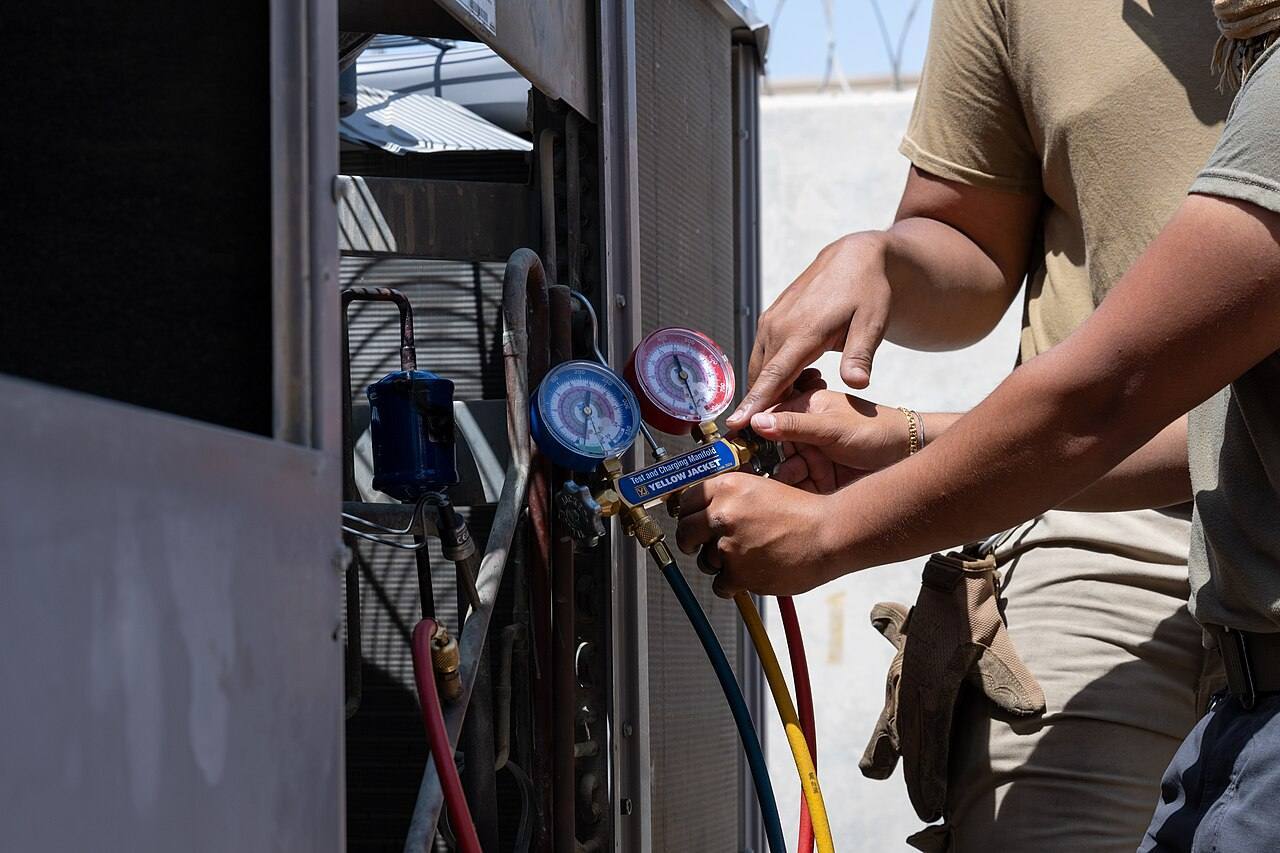
When it comes to HVAC system installation and maintenance, the focus often shifts towards modern controls, high efficiency ratings, and the latest refrigerants. However, a crucial aspect that deserves more attention is the process of deep evacuation. This process is fundamental to the overall health and performance of an HVAC system.
Why Evacuation Matters
Evacuation of an HVAC system involves removing air and moisture from the refrigerant lines before charging the system. If not done properly, contaminants can enter the system, leading to refrigerant breakdown and reduced efficiency. According to ACHR News, "deep evacuation is not a checkbox. It is system protection." This highlights how critical the evacuation step is in preventing future issues.
Understanding the Process
The process typically requires a vacuum pump and a set of gauges. Homeowners with a keen interest in DIY HVAC repair might feel comfortable attempting this themselves, but it’s essential to understand the nuances involved. First, connect the gauges to the service ports of the system, then use the vacuum pump to create a deep vacuum. The goal is to reduce pressure in the system to a level that will vaporize moisture and other contaminants.
Common Pitfalls
Many DIY enthusiasts might view evacuation as a simple task, but there are common pitfalls that can lead to suboptimal performance. For instance, not allowing sufficient time for the evacuation process can leave moisture behind. A rule of thumb is to keep the system in a vacuum for at least 30 minutes, but some systems may require longer to achieve complete evacuation.
Additionally, ensuring that the vacuum pump is functioning correctly is vital. A poorly performing pump can fail to achieve the necessary vacuum levels, putting the entire system at risk. Always check the pump specifications and ensure it is rated for the size of your HVAC system.
Impact on Performance
Skipping or rushing the evacuation process can lead to issues such as acid build-up, which can corrode the system and drastically shorten its lifespan. Furthermore, moisture within the refrigerant can freeze, obstructing airflow and reducing efficiency. In the long run, investing time and effort into proper evacuation can save homeowners significant costs associated with system repairs and inefficiencies.
Conclusion
Deep evacuation is often overlooked in HVAC discussions, but it is a critical step that directly impacts system performance and longevity. For homeowners who are comfortable with tools and have a multimeter at hand, understanding the importance of this process can lead to more effective and reliable HVAC setups. Whether you are engaging a professional or handling it yourself, make sure that deep evacuation is prioritized to protect your investment in home comfort.
For local service context, see a roofing contractor such as Keys Roofing.