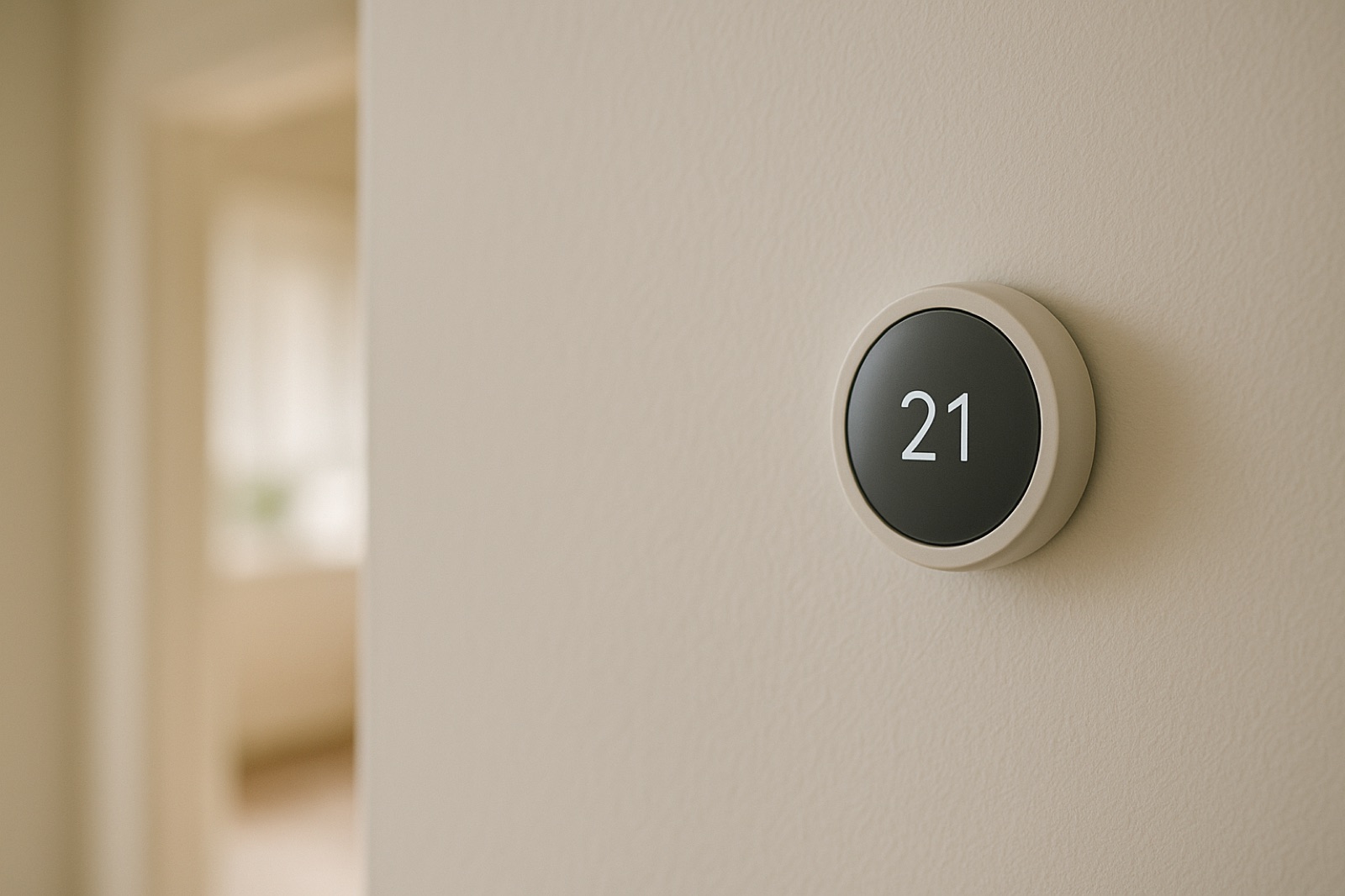
The thermostat used to be the last item on many HVAC proposals. Pick the equipment, size the accessories, then choose the wall control that makes everything run. That sequence is changing. ACHR News reports in its coverage of changing HVAC sales plans that contractors are working to sell integrated comfort and indoor air quality systems instead of treating the furnace or air conditioner as an isolated box.
That shift is useful, but only if the contractor can translate integration into specific functions. A homeowner does not need a parade of app screens. The homeowner needs to know what the thermostat controls, what it merely displays, what happens when the internet drops and who owns each part of the system after installation.
Start with the equipment map
Before recommending a control, list every component it may need to operate or monitor: heating stages, cooling stages, variable-speed equipment, heat pumps, auxiliary heat, humidifiers, dehumidifiers, ventilators, air cleaners and remote sensors. Record model numbers and available terminals. Check whether an accessory is controlled directly, through an equipment interface or by its own controller.
This prevents a common planning error: choosing the thermostat first and discovering later that a desired function requires another module, conductor or proprietary interface. It also gives the estimator a clean way to explain why two controls that look similar on the wall may support different systems.
Inspect the wire before promising features
Remove power before opening the control circuit. Photograph the existing terminals, note unused conductors and verify where the cable lands at the air handler or furnace. Do not assume wire colors describe their actual functions. If the proposed thermostat needs a common conductor, confirm that one is available and connected.
Also inspect the route, not just the exposed ends. A conductor disappearing into the wall may be spliced, damaged or shared with another control. If new cable is required, put that labor and access work in the quote. An attic pull, finished-wall route and surface-mounted raceway are three different jobs.
Define normal operation without the app
Write down what the system will do if Wi-Fi or a cloud service is unavailable. Basic heating and cooling should have an understandable local control path. Explain which schedules remain stored, whether remote sensors continue participating and which alerts stop reaching the owner.
Then set the operating logic in plain language. Identify temperature priorities, humidity targets, fan schedules, staging behavior and any balance point used for auxiliary heat. The handoff should describe these settings as installed, not as a generic list copied from a product brochure.
Commission the system as a package
A thermostat installation is not complete when the screen powers up. Call for each available mode and verify the corresponding equipment response. Check heating, cooling, fan operation, accessory calls and sensor readings. For multi-stage or variable equipment, confirm that the configured equipment type matches the connected hardware.
Record the final settings and leave the homeowner with a short recovery path: how to cancel a hold, change a schedule, silence a noncritical alert and contact the service company. That is more valuable than demonstrating every menu.
Make the field presentation match the technical work
An integrated-system proposal asks the customer to trust the contractor across controls, airflow, equipment and indoor air quality. The arrival experience should support that trust. Use the same company name, colors and phone number on the estimate, technician identification and vehicle. St. Charles County contractors reviewing fleet wraps in O'Fallon should bring the actual vehicle list, body dimensions, door and handle locations, existing artwork, required regulatory markings and expected replacement schedule to the quote.
Keep vehicle graphics subordinate to the service message. The company name and trade should read first, followed by one contact route. Equipment doors, seams and high-wear areas affect placement and durability, so provide straight-on photos of every side rather than a single angled phone shot.
Treat traffic numbers as reach, not proof
Home Comfort Dispatch currently records 2,734 page views, 1,084 visitors, 1,312 search crawls and 2,647 AI crawls. Those aggregate figures show that pages and automated systems are reaching the site. They do not confirm that people are searching for a specific thermostat service, indoor air quality package or fleet-wrap vendor.
The practical response is to connect each campaign to a measurable action. Use a dedicated landing page, tracked phone number or form field for the offer being tested. For thermostat-led system work, track booked assessments and proposals. For vehicle graphics, track inquiries tied to the fleet page. Good instrumentation keeps a broad visibility number from being mistaken for customer demand.
The thermostat may be changing the sales plan, but the durable lesson is operational: map the system, verify the wiring, define failure behavior, commission every connected function and measure the response to the offer. Integration earns its place when the whole job remains understandable after the technician leaves.