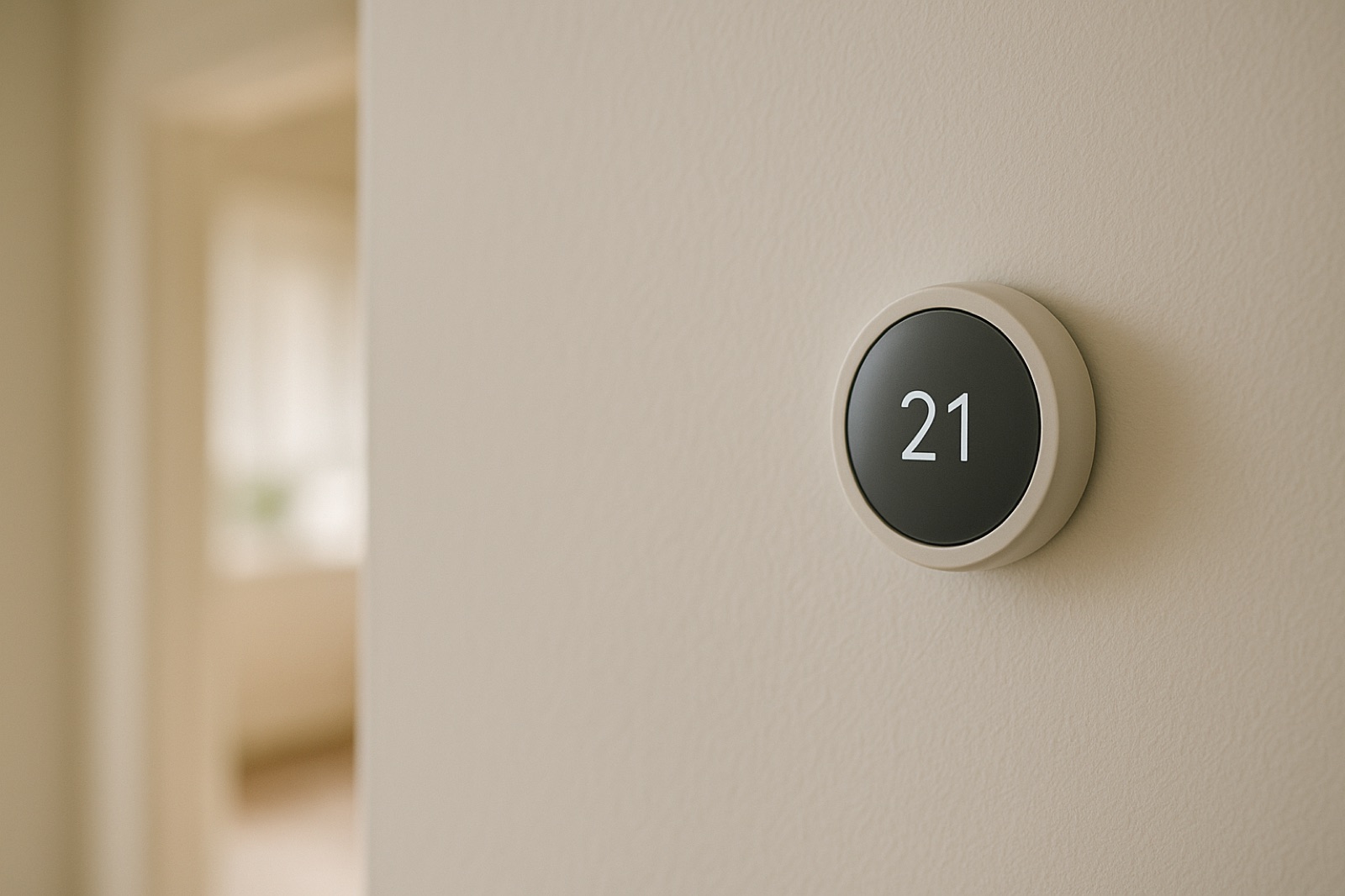
As homeowners tackle maintenance and upgrades for heating and cooling systems, it is worth examining how recent supply chain changes are shaping their options. The COVID-19 pandemic revealed vulnerabilities in global supply chains, and these disruptions continue to impact availability and pricing of HVAC equipment and components.
Current State of HVAC Supply Chains
Many homeowners have experienced delays in receiving parts and equipment for their heating and cooling systems. For instance, certain air conditioning units and furnaces have become harder to find, and prices for replacement parts have risen sharply. This situation has been compounded by increased demand for home comfort systems as more people spend time at home, both in response to remote work trends and a booming housing market.
A recent article from ACHR News notes that residential geothermal contractors are facing an impending change with residential tax credits ending in 2025. While demand remains strong for geothermal systems, the uncertainty surrounding these incentives could lead to further fluctuations in supply and pricing.
Impact on Homeowners
For homeowners looking to upgrade or replace their heating and cooling systems, it is crucial to understand how these supply chain issues may affect their projects. The rising costs of equipment can strain budgets, especially if a system fails unexpectedly. Additionally, longer wait times for installations can leave homes without adequate heating or cooling for extended periods.
One practical step homeowners can take is to plan ahead. If your HVAC system is showing signs of wear, consider scheduling a maintenance check sooner rather than later. This proactive approach can help you avoid urgent replacements when options are limited and prices are high.
Adapting to Change
The HVAC industry is adapting to these changes by looking for alternative suppliers and embracing innovative technologies. This means that while traditional systems may be harder to come by, new options may become available that could offer improved efficiency or lower costs in the long run.
For those considering roof-mounted equipment such as solar panels, it is also essential to account for the recent developments in the solar energy sector. According to the U.S. Department of Energy, initiatives to lower the cost of solar electricity continue to progress, potentially making it a more viable option for homeowners looking to reduce their reliance on traditional energy sources.
Moving Forward
As you navigate the current landscape of heating and cooling options, working with a reputable contractor is key. They can offer insights into the latest technologies and equipment availability. Moreover, if you need assistance with any external systems like roofing that can affect energy efficiency, partnering with a roofing contractor such as Keys Roofing can provide added value.
In conclusion, while today's supply chain challenges may complicate the process of upgrading or maintaining your home comfort systems, being informed and proactive will help you make the best decisions for your home. By understanding the current landscape and preparing well in advance, you can ensure that your home remains comfortable, regardless of external factors.