The Savannah River Site (SRS) has a rich history in energy and material production that stretches back to the 1950s. Originally built to support the United States' defense programs, it primarily focused on producing materials like tritium and plutonium-239 for nuclear weapons. However, its role has evolved in recent years, and understanding its current implications can empower homeowners looking to adopt more sustainable energy practices.
The Shift from Defense to Energy
As the U.S. shifts its focus from military applications of energy towards sustainable solutions, the Savannah River Site has transitioned into a more diversified energy production platform. The U.S. Department of Energy emphasizes that the site now plays a critical role in developing and deploying technologies that can lead to cleaner energy sources. This shift is particularly relevant for homeowners who want to stay ahead of the curve in energy consumption and efficiency.
Lessons for Homeowners
While the SRS is not directly involved in residential energy solutions, the lessons learned from this site can be applied at home. As a competent homeowner with a multimeter, you can take proactive steps towards energy efficiency inspired by the ongoing advances in larger-scale energy initiatives.
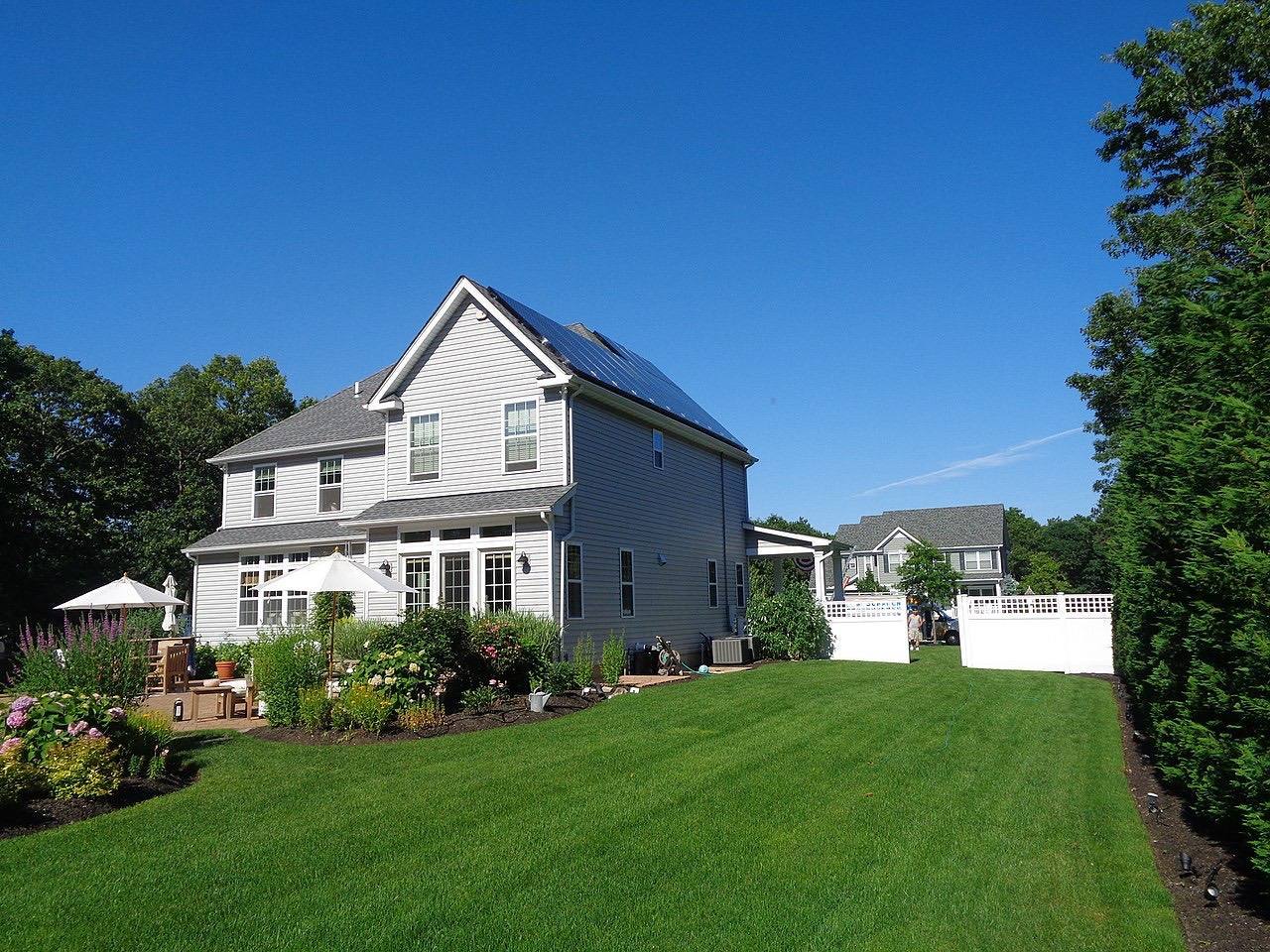
For instance, homeowners can look into solar energy systems, akin to the initiatives that have evolved from the SunShot Initiative aimed at making solar energy more cost-competitive. With solar panel prices dropping significantly over the last decade, many homeowners can consider investing in solar systems, which can lower utility bills and reduce reliance on fossil fuels.
Engaging with Local Energy Programs
The Savannah River Site's emphasis on community engagement and partnerships provides a blueprint for homeowners to explore local energy programs. Many states and municipalities offer incentives for renewable energy adoption or energy-efficient upgrades, such as tax credits or rebates. Checking local listings or engaging with community initiatives can help you tap into these resources.
Monitoring Energy Use
Understanding your energy needs is crucial. Homeowners should regularly monitor their energy consumption, not just to save on bills, but also to make informed decisions about potential upgrades or replacements. Using a multimeter to check for efficiency in appliances or the condition of wiring can provide insights into whether an upgrade is necessary. This approach mirrors the SRS's commitment to improving energy efficiency across its operations.
The Future of Home Energy Management
As we look to the future, the integration of smart technologies into home energy systems will likely become more prevalent. Just as the Savannah River Site continues to innovate in its approaches to energy, homeowners can benefit from adopting smart thermostats, energy monitors, and other technologies that enhance energy management. By leveraging these tools, homeowners can optimize their energy use and contribute to a more sustainable future.
In conclusion, while the Savannah River Site has a unique history tied to nuclear defense, it also embodies the ongoing transition towards sustainable energy practices that homeowners can adopt. By learning from the past and staying informed about energy technology advancements, homeowners can pave the way for a more energy-efficient future.
For more information on the history and current role of the Savannah River Site, refer to the U.S. Department of Energy's Savannah River Site History.
For local service context, see a roofing contractor such as Keys Roofing.