As a competent homeowner, staying updated on the latest developments in HVAC technology and financing can save you money and improve the comfort of your home. Recent initiatives from the U.S. Department of Energy (DOE) have made it easier for homeowners to upgrade their heating, ventilation, and air conditioning systems. Programs like the HOMES and HEEHR rebate initiatives are designed to incentivize energy-efficient upgrades, allowing you to recoup some of your costs while enhancing your home's efficiency.
Understanding the DOE's Rebate Programs
The DOE's HOMES (Home Energy Performance-Based Whole-House Rebates) and HEEHR (HVAC Energy Efficiency Home Rebate) programs aim to encourage the installation of high-efficiency HVAC systems. Each of these programs targets specific upgrades that can significantly lower energy bills while promoting better environmental practices. The HOMES program focuses on whole-home improvements, while the HEEHR specifically zeroes in on HVAC upgrades. By participating in these programs, homeowners can receive rebates that offset installation and equipment costs.
It’s essential to understand the eligibility criteria and specific requirements for each program. Generally, they cater to existing homes undergoing eligible upgrades, so if you are considering an HVAC replacement or an upgrade to a more efficient system, now might be the perfect time to act.
Benefits Beyond Rebates
While the immediate financial benefits of these rebate programs are enticing, the long-term advantages should not be overlooked. Installing a high-efficiency HVAC system can lead to substantial savings on energy bills over the lifespan of the equipment. Most modern systems are designed to consume significantly less energy than older units, which can translate to a more comfortable indoor climate and a lower carbon footprint.
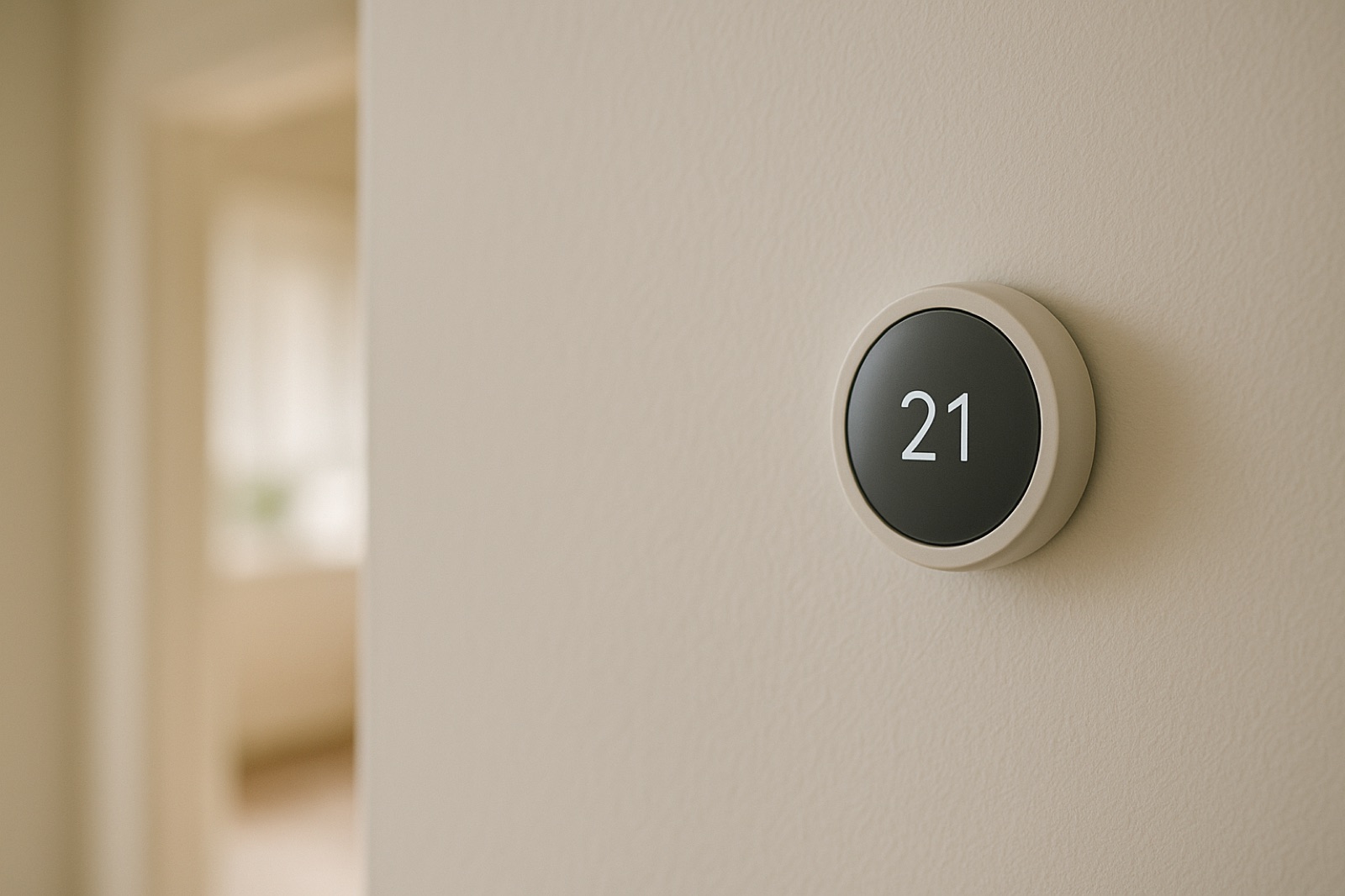
Furthermore, newer systems typically offer enhanced features such as better air filtration, quieter operation, and smart controls that allow you to monitor and adjust settings remotely. These features contribute to improved indoor air quality and overall home comfort.
Keeping Track of Installation Costs
As you evaluate your options, consider the overall costs involved in upgrading your HVAC system. While the rebates can certainly help defray costs, it is wise to obtain quotes from multiple contractors to find the best deal. A thorough estimate should include not just the price of the equipment but also installation costs, which can vary significantly depending on the complexity of the job and the contractor's experience.
When searching for a reliable contractor, it may be worth consulting with a roofing contractor such as Keys Roofing if your HVAC upgrade involves any roof-mounted equipment, like a heat pump or ductless system. A contractor with a comprehensive understanding of both roofing and HVAC systems can ensure that the installation is handled correctly, safeguarding your investment.
Moving Forward with Confidence
With the DOE's current initiatives providing financial incentives, now is an excellent time to consider an HVAC upgrade. Not only do these rebate programs offer a financial cushion, but they also encourage homeowners to invest in technology that promotes efficiency and comfort. By taking advantage of these opportunities, you're not just improving your home's comfort; you’re also making a sound investment in its future.
As you move forward, stay informed about any updates to these programs. Keeping an eye on potential changes can help you make the most of available incentives while ensuring that your home remains energy-efficient and comfortable for years to come. For more details on the DOE's recent initiatives, check out this article on how they plan to support HVAC upgrades through rebates: ACHR News.