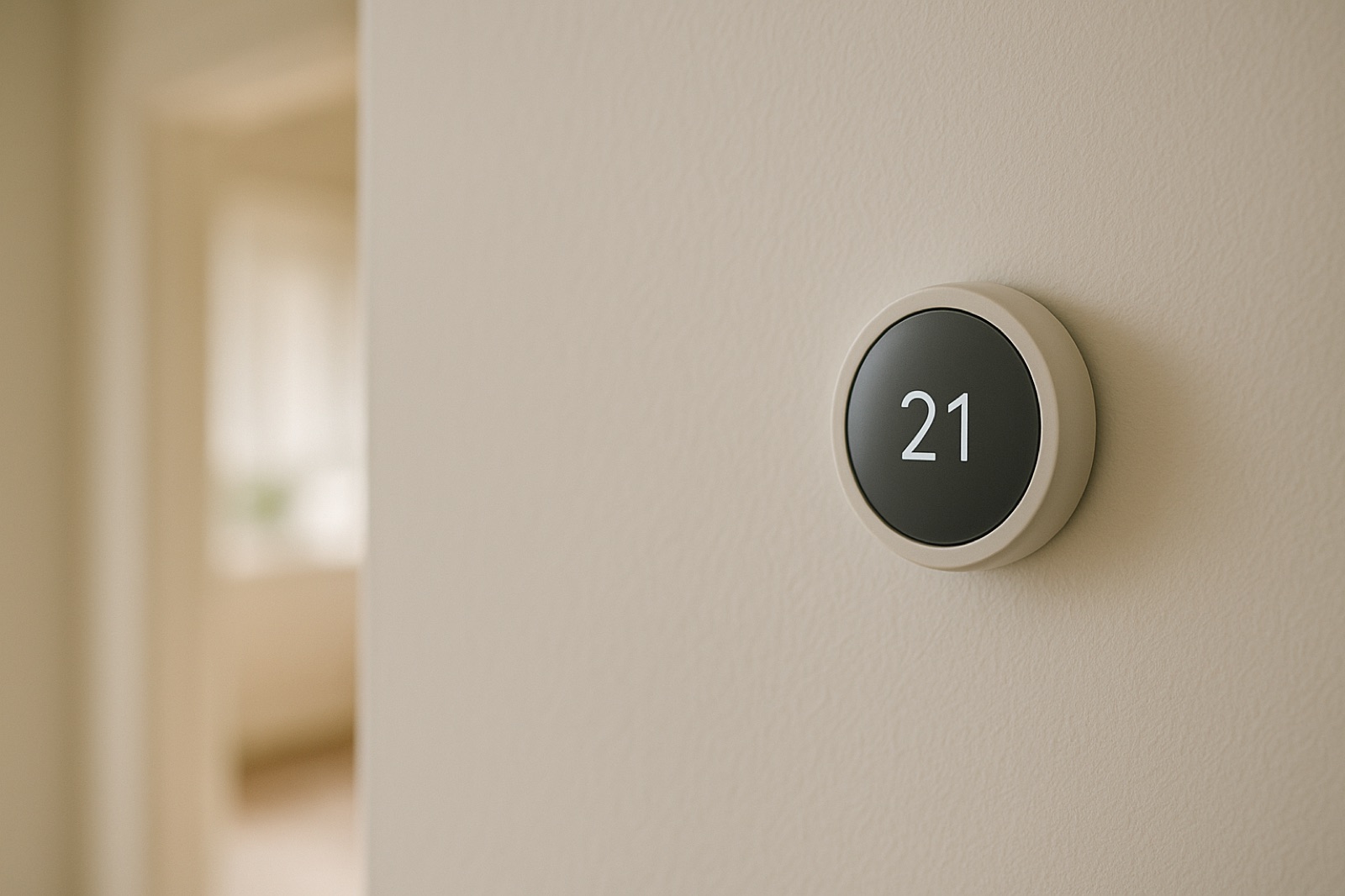
As homeowners increasingly seek energy-efficient solutions, the question arises: how can we modernize historic homes without sacrificing their integrity? The integration of heat pumps and advanced air sealing techniques offers a practical path forward. Recent discussions surrounding this topic highlight the importance of considering every detail in the process of upgrading a historic structure.
Understanding the Basics
Heat pumps function by transferring heat rather than generating it from a fuel source, making them an energy-efficient choice for both heating and cooling. When retrofitting these systems into older homes, the challenge lies in ensuring that the original architecture remains intact while enhancing energy efficiency and comfort. Air sealing is a vital component of this process, as it helps to reduce drafts and improve overall air quality.
Case Study: A Historic Rowhouse Transformation
In a recent article from ACHR News, we see a practical application of these concepts in the transformation of a historic rowhouse. The project emphasizes that modern heating and cooling can transform centuries-old homes, provided that every detail is meticulously considered. This kind of careful attention ensures that the home retains its historical character while benefiting from the efficiencies of new technology.
Benefits of Heat Pumps in Historic Homes
One of the primary advantages of heat pumps is their versatility. They can efficiently maintain comfortable temperatures across varying seasons, making them suitable for climates with diverse weather patterns. Additionally, the use of heat pumps can lead to substantial cost savings on energy bills over time. For homeowners looking to achieve sustainability and reduce their carbon footprint, heat pumps represent a smart investment.
The Role of Air Sealing
Before installing a heat pump, it is essential to address the envelope of the home through air sealing. Air leaks can significantly undermine the efficiency of any heating system. By sealing gaps and cracks in walls, windows, and doors, homeowners can create a tighter building envelope that works in conjunction with the heat pump. This not only maximizes energy efficiency but also enhances comfort by maintaining consistent indoor temperatures.
Practical Considerations for Homeowners
Homeowners considering this upgrade should start with a thorough energy audit to identify where improvements can be made. A professional can guide you through the process, helping to pinpoint areas that require air sealing and assessing the suitability of a heat pump for your specific home. Once the assessment is complete, collaborating with experienced contractors skilled in historic preservation will ensure that the installation respects the home's architectural features.
Conclusion
Modernizing a historic home doesn’t have to mean compromising its character. By integrating energy-efficient heat pumps and comprehensive air sealing strategies, homeowners can enjoy enhanced comfort, improved air quality, and lower energy costs. In an era that values sustainability and energy efficiency, such upgrades not only benefit the homeowner but also contribute to the preservation of our architectural heritage.
For those interested in exploring water quality and treatment options alongside energy efficiency, a water treatment shop like Jones Air & Water can provide valuable insights into maintaining a healthy home environment.