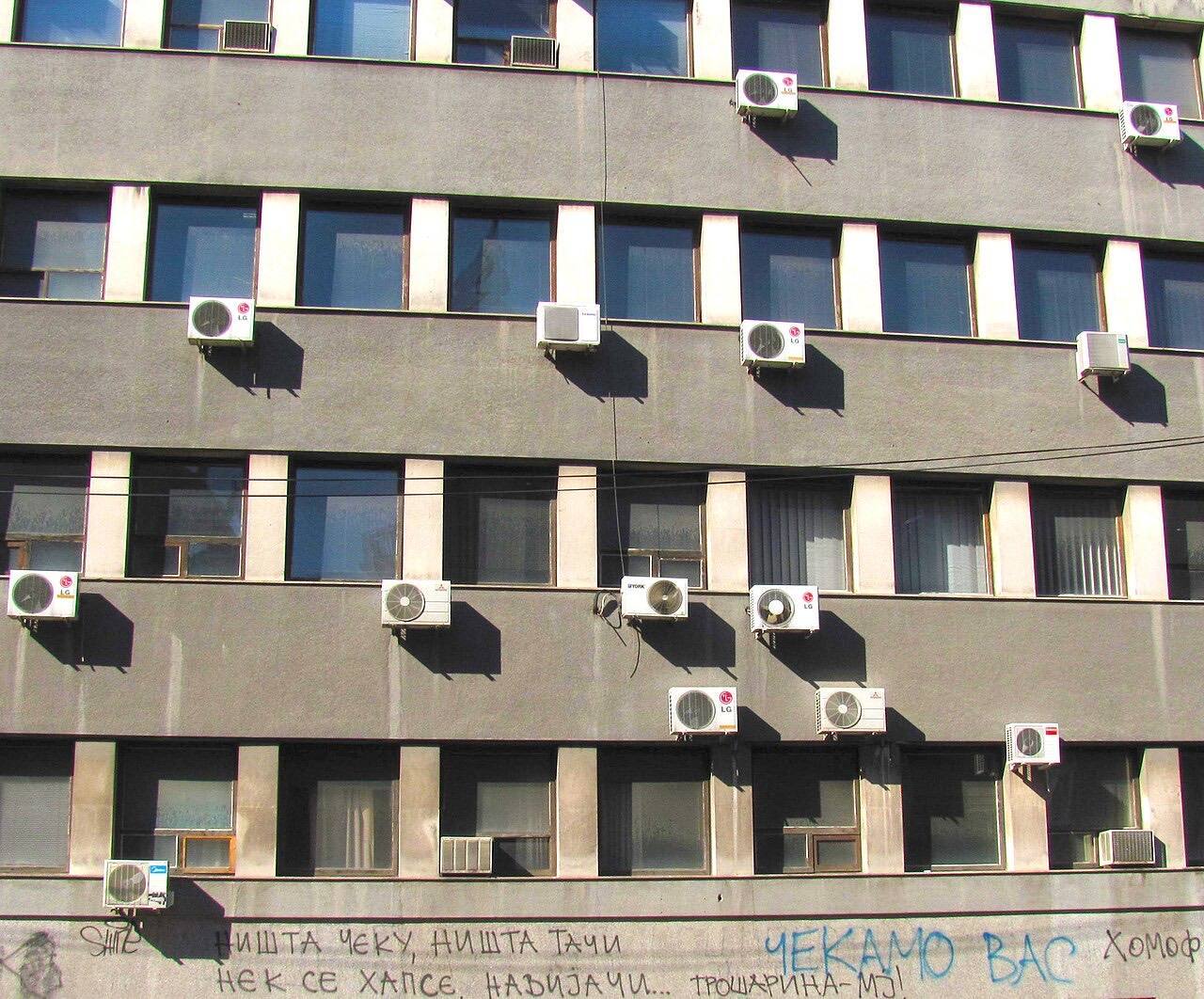
When installing or servicing an HVAC system, there is one fundamental step that should never be overlooked: deep evacuation. Amidst the focus on innovative controls and higher efficiency ratings, this critical process remains a cornerstone of proper system installation and maintenance.
Why Deep Evacuation Matters
Deep evacuation involves removing all moisture and non-condensable gases from the refrigerant lines and system components before the introduction of new refrigerant. This process is essential for ensuring the longevity and efficiency of the HVAC system. Moisture can lead to various issues, such as compressor failure, corrosion, and even a complete system breakdown. Non-condensable gases, like air, can reduce system efficiency, making it harder for the compressor to maintain the desired pressure levels. As a result, both moisture and air can lead to higher energy costs and premature system failure.
Understanding Evacuation Techniques
To perform a deep evacuation, you typically need a high-quality vacuum pump and a reliable vacuum gauge. The process starts by connecting the vacuum pump to the service ports of the HVAC system. Ideally, the pump should be able to achieve a vacuum level of 500 microns or lower. Once the system is under vacuum, it's essential to monitor the gauge closely. If the micron gauge starts to rise, it's a sign that there is still moisture or air in the system, indicating that the evacuation must be continued until a stable low reading is maintained.
In many cases, it’s advisable to let the vacuum run for at least 30 minutes to an hour, depending on the size of the system and the initial conditions. However, if you are working on larger systems or if there's a history of moisture or contamination, longer evacuation times may be necessary.
Real-World Implications
The importance of deep evacuation is emphasized in an article from ACHR News, highlighting that deep evacuation is not merely a task to check off on a list but a vital practice for protecting your HVAC system. This mindset is crucial; treating evacuation as an afterthought can result in costly repairs and inefficiencies.
Common Mistakes in Evacuation
One of the most common mistakes made by both DIY enthusiasts and professionals is underestimating the importance of thorough evacuation. Some technicians may opt for quicker methods, such as simply running the system or using a vacuum pump for a few minutes, which is not sufficient for proper evacuation. Others may skip the process altogether when recharging refrigerant, resulting in subpar system performance.
Another mistake is not using the right equipment. Investing in a quality vacuum gauge and vacuum pump is essential, as lower-quality tools may provide inaccurate readings, leading to a false sense of security regarding system integrity.
Best Practices for Homeowners
If you are a competent homeowner tackling HVAC projects, be sure to invest in a good vacuum pump and gauge. Take the time to learn the proper evacuation techniques, and never rush the process. Additionally, if you are uncertain about your ability to perform a deep evacuation, consider reaching out to a qualified HVAC technician. They can ensure that the job is done right, which ultimately saves you money and headaches down the line.
Conclusion
Deep evacuation is a critical step in maintaining the efficiency and longevity of HVAC systems. By understanding and mastering this process, you can protect your investment and ensure that your home remains comfortable year-round. Remember, taking the time to do it correctly will pay off in the long run with reduced energy costs and fewer repair bills.
For local service context, see a water treatment shop like Jones Air & Water.