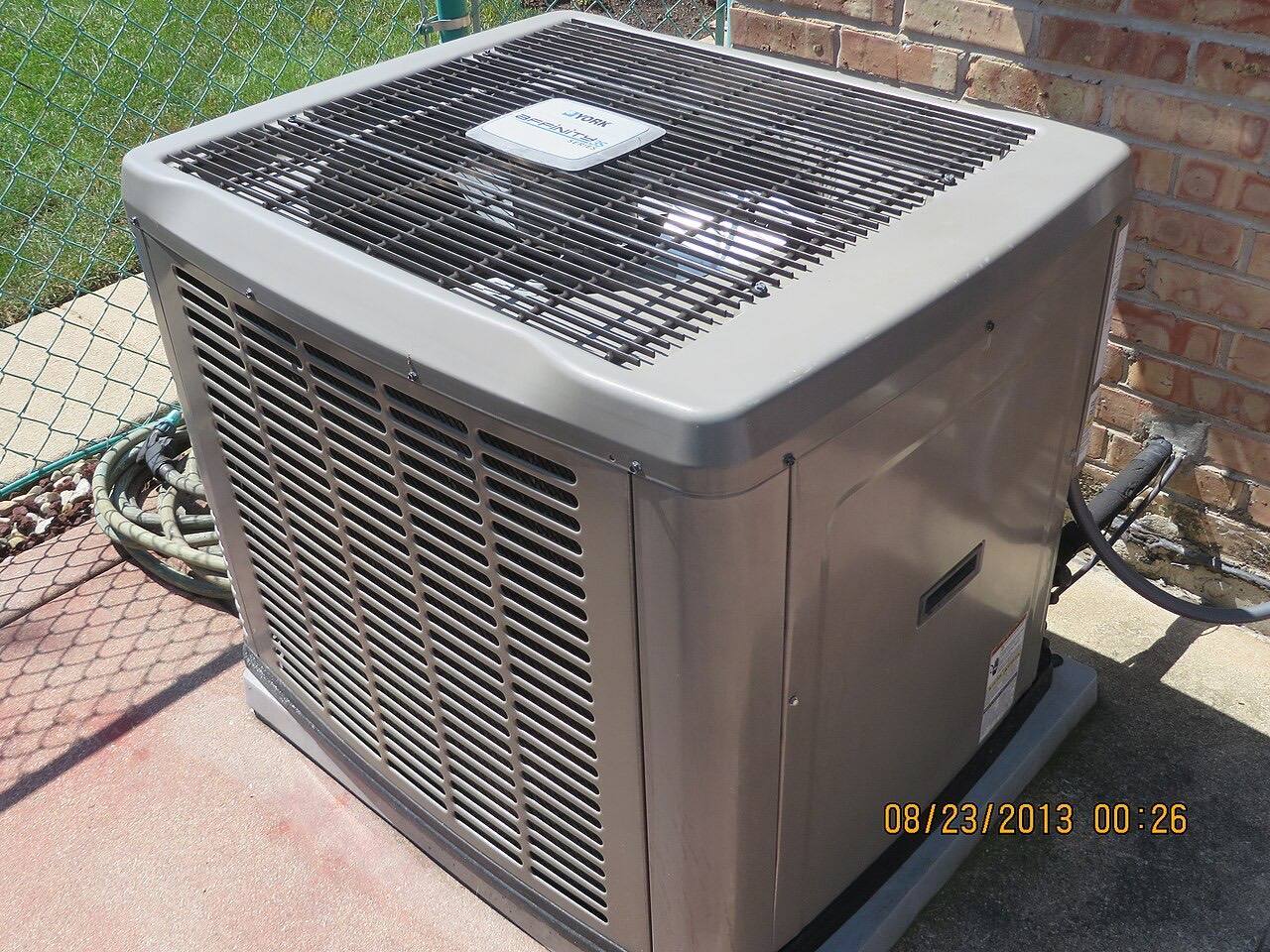
When it comes to HVAC installations and maintenance, one fundamental aspect often gets overlooked: proper evacuation of refrigerant lines. In an industry focused on high efficiency and smarter controls, the significance of this step remains unchanged. Deep evacuation is not just a checkbox on a checklist; it is vital for protecting the integrity of your HVAC system.
Evacuation involves removing moisture and non-condensables from the refrigerant lines before charging the system with refrigerant. If done improperly, it can lead to a host of problems, including reduced efficiency, refrigerant leaks, and even compressor failure. In a recent article from ACHR News, it is emphasized that “deep evacuation is not a checkbox. It is system protection.” This highlights the critical nature of taking the time to perform this step correctly.
To understand why deep evacuation is so important, let’s break down the process and its benefits. When refrigerants are cycled through the system, they can pick up moisture from the air. This moisture can mix with the refrigerant and create acids that corrode components, leading to system failure. Additionally, non-condensable gases can enter the system during installation or maintenance, which can lead to increased pressure and inefficiencies. Thus, achieving a deep vacuum - one that can pull down to 500 microns or lower - helps ensure that both moisture and air are eliminated, creating a clean environment for the refrigerant to operate.
As a competent homeowner, you may be wondering how to ensure that your HVAC contractor is performing a proper evacuation. Here are some practical tips:
1. Ask About Equipment
Quality equipment makes a difference. Ensure the technician is using a reliable vacuum pump and a micron gauge to monitor the evacuation process. A good vacuum pump should have the capability to pull down to at least 500 microns. If the technician does not have a micron gauge, it might be a red flag.
2. Request Documentation
After the evacuation process, you can ask for documentation that shows the vacuum level achieved. A reading below 500 microns is ideal. This serves as proof that the system was evacuated properly and can help you hold the contractor accountable for their work.
3. Be Informed
Understanding the importance of evacuation can empower you as a homeowner. Research the standards and practices in the industry. A knowledgeable homeowner can have better discussions with contractors, helping to ensure that best practices are being followed.
In addition to these tips, it’s worth noting that regular maintenance of your HVAC system can also help mitigate the issues caused by improper evacuation. Ensuring that filters are clean and that the system is running efficiently can help prolong its lifespan and maintain optimal performance.
In summary, proper evacuation is a critical step in the HVAC installation and maintenance process. It protects your system from moisture, non-condensables, and the potential damage that can ensue. By being informed and asking the right questions, you can help ensure that your HVAC system operates efficiently and lasts for years to come.
For local service context, see a roofing contractor such as Keys Roofing.