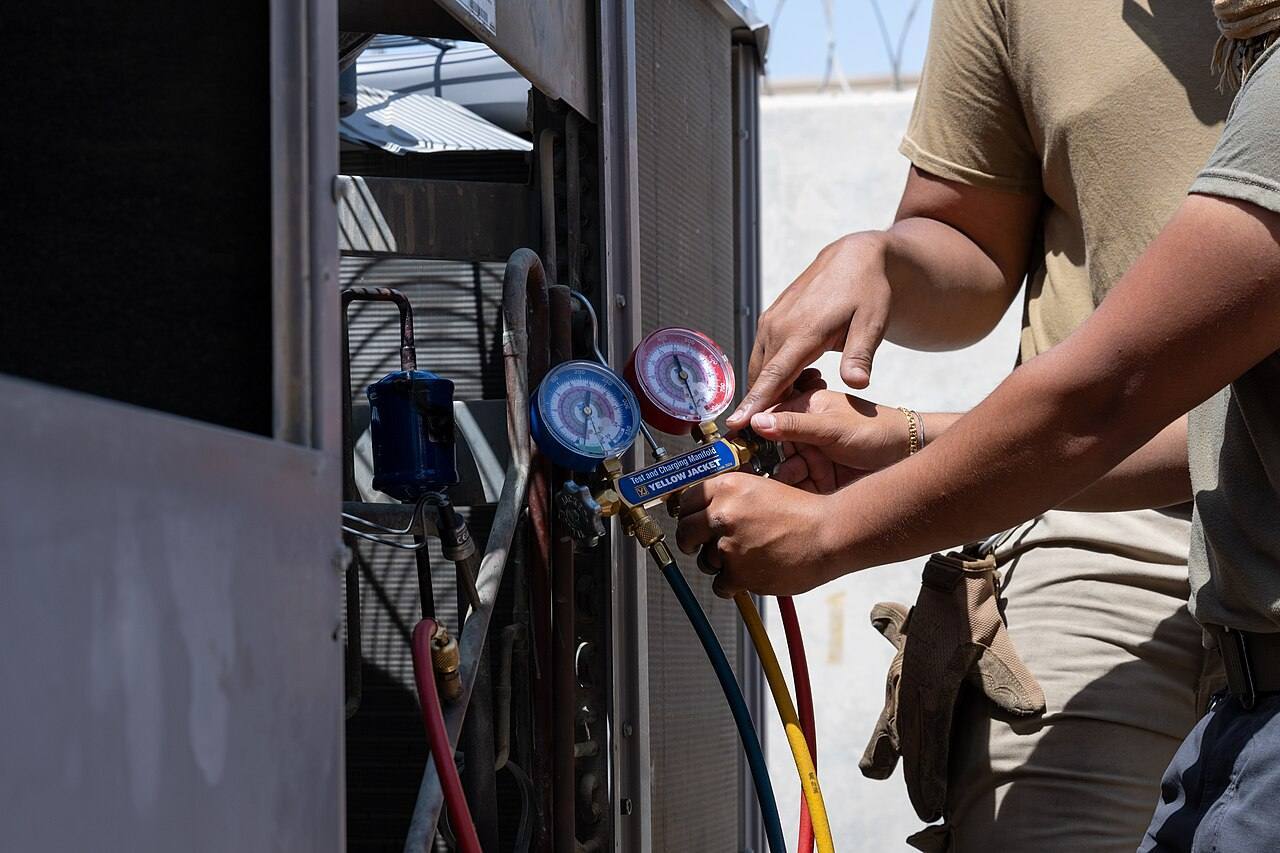
When installing or servicing an HVAC system, deep evacuation is a crucial process that often gets overlooked. It may seem like just another checkbox on the technician's list, but in reality, it is vital for ensuring the longevity and efficiency of your system. Recent discussions in the industry highlight that, despite advancements in controls and refrigerants, the practice of deep evacuation remains unchanged and essential for system protection. As noted by ACHR News, deep evacuation is not merely a procedural task; it’s a critical step that impacts the overall performance of your system.
Understanding Deep Evacuation
Deep evacuation involves removing all air and moisture from the refrigerant lines and the system itself before charging it with refrigerant. Air and moisture can lead to various problems, including corrosion, reduced efficiency, and even system failure. While many technicians might perform a quick evacuation, thorough evacuation requires using a high-quality vacuum pump and monitoring the vacuum level with a gauge for an extended period.
Why Evacuation Matters
The consequences of neglecting deep evacuation can be severe. Moisture in the refrigerant lines can lead to the formation of acids that corrode components and damage the system. Moreover, air mixed with refrigerant can cause pressure imbalances, which may result in inefficient operation and increased wear on the compressor. Proper evacuation results in a clean system capable of operating at optimal efficiency, translating to lower energy costs and better comfort levels in your home.
Implementation in Your HVAC Maintenance Routine
For homeowners, ensuring that your HVAC technician performs a thorough evacuation when installing or servicing your system should be a priority. A competent technician will use a multimeter to check for leaks and employ a vacuum pump capable of achieving the necessary depth of evacuation. As a homeowner, it is beneficial to ask about their methods and insist on a deep evacuation, especially if you are having an air conditioning or heat pump system installed.
Staying Ahead of Trends in HVAC
As the HVAC industry evolves, several trends are reshaping how services are delivered. One significant trend discussed in industry reports is the shift towards operational discipline among contractors. This includes adopting recurring revenue strategies that focus on long-term customer relationships and service agreements. By emphasizing the importance of deep evacuation in their service offerings, contractors can distinguish themselves in a competitive market. This focus on quality and detail can enhance company culture and ultimately benefit homeowners by providing reliable and efficient HVAC solutions. For more on the business aspects of HVAC, refer to this insightful article from ACHR News.
Conclusion
Deep evacuation is a fundamental step that protects your HVAC system, ensuring it operates efficiently and effectively. By understanding its importance and ensuring your technician follows through, you can mitigate long-term issues and maintain a comfortable living environment. Remember, a proactive approach to your HVAC maintenance, including deep evacuation, will pay off in the form of lower energy costs and extended equipment life. If you are considering installation or maintenance, working with knowledgeable professionals, such as a roofing contractor such as Keys Roofing, can enhance the overall performance of your home’s systems.