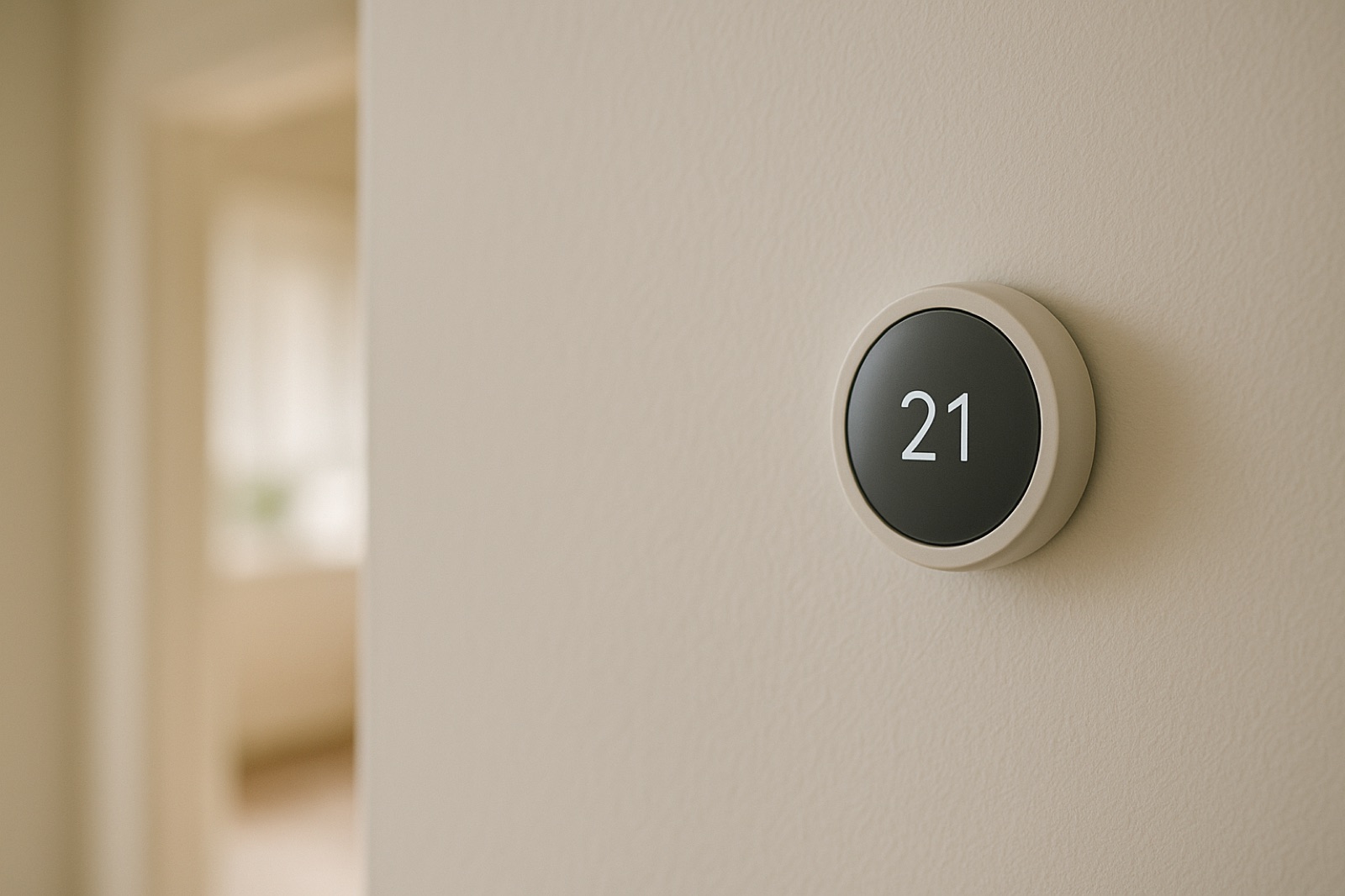
A new HVAC system can be mechanically complete and still be unfinished from the homeowner's side of the thermostat. The condenser runs, the furnace lights, and the installer has packed the tools. But nobody has explained the filter size, recorded the equipment settings, or shown what the thermostat does when auxiliary heat comes on.
That gap matters because the first person to notice an odd sound, clogged drain, or unexpected control setting will usually be the person living in the house. A solid handoff turns that homeowner from a confused observer into a useful first set of eyes.
Training provides some context. ACHR News reports that a graduating class of 180 at National Technical Institute included 92 HVAC students who spent their final weeks completing hands-on installations. The report on the Las Vegas HVAC graduates is a reminder that installation is a physical discipline. Yet the last stage of a real residential job is not only connecting equipment. It is transferring working knowledge to the customer.
Start with operation, not features
The thermostat demonstration should cover the modes the household will actually use. Ask the installer to show heating, cooling, fan control, schedule changes, and any humidity setting. If the system includes a heat pump, identify what the display shows during auxiliary or emergency heat operation. Those terms are easy to confuse, and the wrong selection can increase energy use or leave the house uncomfortable.
Skip the tour of every menu unless somebody in the house wants it. The practical test is simple: Can the homeowner change the temperature, cancel a schedule, replace the batteries if applicable, and recognize an alert without reaching for a search engine?
Get the settings that disappear after startup
Model and serial numbers are useful, but they do not describe how the system was configured. Ask for the thermostat setup, equipment dip switch positions, blower selections, and any installer menu values that affect staging or airflow. Photographs are acceptable if the labels and switch positions are readable.
For a communicating system, request the startup or commissioning report if the controls can produce one. For conventional equipment, a short worksheet can record temperature rise in heating, supply and return temperature readings in cooling, static pressure, refrigerant measurements where applicable, and condensate operation. Not every measurement applies to every system. The point is to preserve what was actually checked.
Do not open energized panels or repeat live electrical tests just to verify the technician's numbers. A homeowner with a multimeter may be comfortable troubleshooting, but the handoff is the time to collect the installer's baseline, not create a second commissioning session.
Walk the service path
Stand at the equipment and trace the items that will need attention. Find the disconnect, breaker, filter slot, condensate drain, overflow switch, humidifier pad, and outdoor coil. Confirm the filter dimensions from the actual rack instead of trusting an old note on the furnace door.
Ask which panels the homeowner may remove for routine maintenance and which should remain closed. Check that service labels can be read without moving stored boxes or crawling behind ductwork. If the air handler is in an attic, make sure the route, lighting, and platform are usable before the installer leaves.
The walkthrough should also fit the people in the house. If an older relative or hired helper will manage filters, thermostat alerts, or service calls, put those duties in writing. Families defining broader household responsibilities may find a before-we-talk checklist for families considering home care useful for deciding who can realistically handle equipment tasks.
Build a handoff packet worth keeping
Put the proposal, load calculation if supplied, model and serial numbers, warranty information, permit paperwork, thermostat guide, filter specification, and commissioning notes in one folder. Add clear photos of data plates and installed accessories. Record the contractor's normal service number and after-hours procedure without assuming they are the same.
Finally, schedule two homeowner checks. After the first full heating or cooling cycle, look for water where it should not be, new vibration, unusual cycling, or rooms that remain far from setpoint. After a week of normal operation, review the thermostat history and comfort by room. Those observations give the contractor specific information if a return visit is needed.
A professional installation should leave more than quiet equipment. It should leave a usable baseline, a clear maintenance path, and a household that knows what normal operation looks like.