Aging-in-place safety is not limited to grab bars and loose rugs. The house also needs dependable lighting, manageable temperatures, clear walking paths, usable controls, and an HVAC system that does not demand risky ladder work from its occupant.
Air filtration belongs in that conversation. ACHR News reports that new AprilAire filters using TriPure Technology are engineered for residential HVAC systems to surpass industry requirements for MERV claims. The report on the new residential filter technology is a useful reminder that filter performance matters, but the filter still has to fit the equipment, remain accessible, and be replaced on schedule.
For a family helping an older adult remain at home, the practical question is broader: Can this person operate and maintain the house without climbing, reaching, guessing, or navigating avoidable hazards?
Entry, hallways, and stairs
Walk the normal route from the driveway to the favorite chair. Check for lifted thresholds, curled mats, loose handrails, extension cords, unstable furniture, and clutter that narrows the path. Test every light switch and replace failed bulbs. Exterior doors, landings, hallways, and both ends of a staircase should be easy to illuminate before someone steps into the space.
Confirm that frequently used locks can be operated without excessive grip strength. If wandering or nighttime confusion is a concern, use door alerts or other safeguards appropriate to the household without blocking a safe exit.
Living room and bedroom
Make sure chairs and the bed are high and firm enough for controlled sitting and standing. A low, soft sofa can be harder to leave than it looks. Put lamps within reach, secure cords along walls, and keep a clear route to the bathroom.
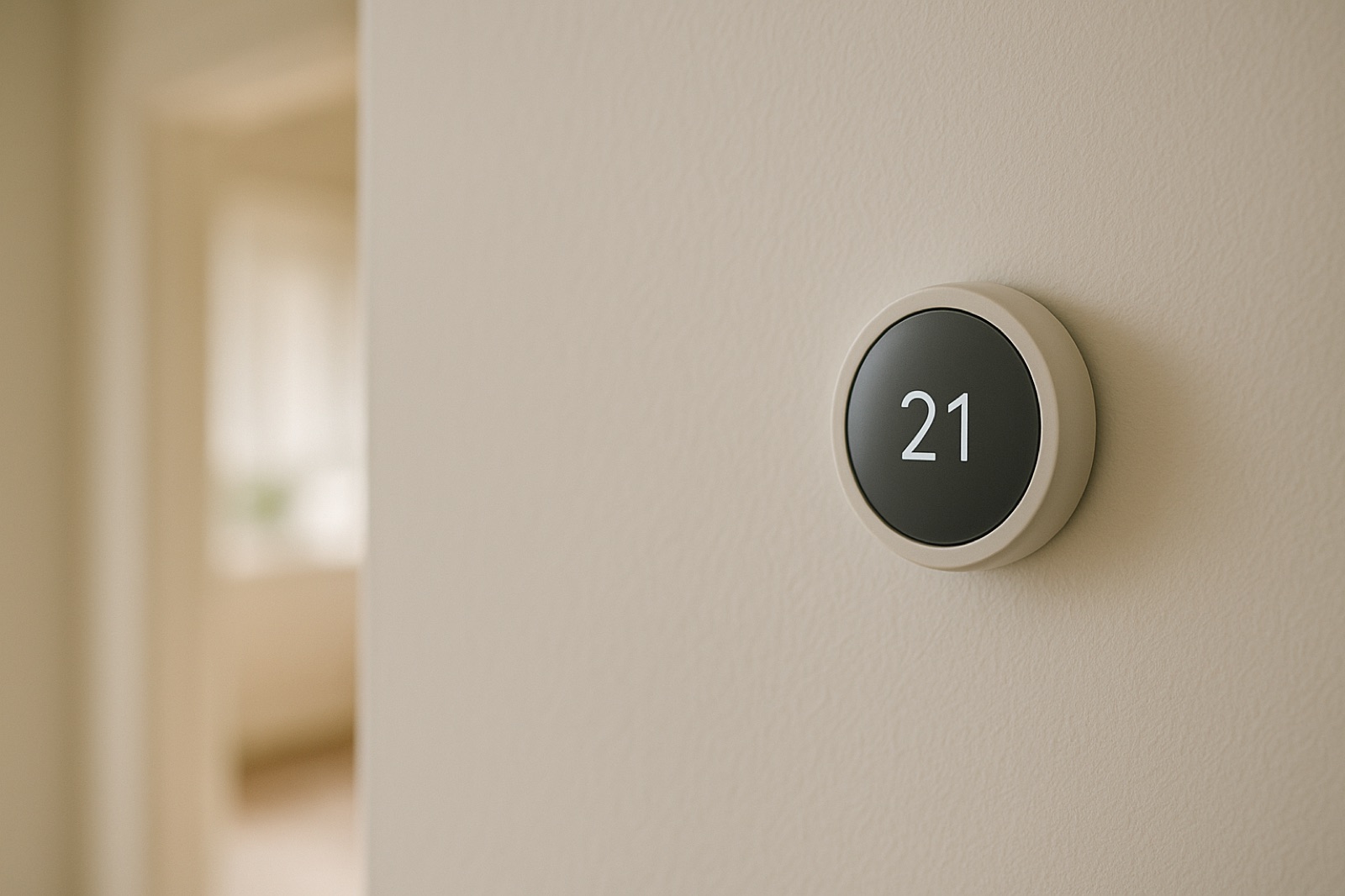
Check the thermostat from the resident's perspective. Numbers should be readable, controls understandable, and schedules predictable. Listen for equipment that short-cycles or rooms that become noticeably hotter or colder than the thermostat area. Those conditions deserve investigation rather than another portable heater and extension cord.
Smoke and carbon monoxide alarms should be tested according to their manufacturer instructions. Do not ask an older resident to climb a chair or stepladder for that job.
Bathroom
Look for a stable path into the room, secure grab bars where needed, a non-slip bathing surface, and adequate light at the toilet and shower. A towel bar is not a grab bar. Check that hot and cold controls are clearly understood and that water temperature is comfortable without encouraging someone to make risky adjustments at the water heater.
Place daily-use items between knee and shoulder height. Reaching to a high shelf while standing on a wet floor creates an avoidable fall risk.
Kitchen and meals
Confirm that cookware, dishes, and staple foods are reachable without a stool. Inspect appliance cords and verify that burners and the oven turn off reliably. A simple meal plan should account for shopping, food storage, cleanup, and whether the resident can safely lift hot pans.
Look beyond whether food is present. Spoiled groceries, repeated skipped meals, scorched cookware, or difficulty opening containers may indicate that meal preparation now needs support.
Medications and household routines
Keep medications in one well-lit location unless storage instructions require otherwise. Use an up-to-date written list and a clearly labeled organizer if appropriate. Watch for duplicate containers, missed doses, or confusion about timing. Questions about medication use belong with the prescribing clinician or pharmacist.
Also inspect routine maintenance tasks. Where is the HVAC filter? If replacement requires attic access, a tall ladder, or squeezing around ductwork, assign that task to someone else. Record the filter dimensions at the equipment and keep the correct replacement nearby. A higher MERV number should not be treated as an automatic upgrade because the blower and filter cabinet must be able to handle the selected filter.
When the checklist points to outside help
One failed bulb is a repair. A pattern of missed meals, medication confusion, unsafe bathing, wandering, or an inability to manage ordinary household tasks may indicate a need for regular assistance. Nonmedical home care can help with supervision, meals, personal routines, light housekeeping, transportation, and companionship, depending on the provider and care plan.
Families evaluating that next step can find St. Louis help for aging at home and compare the actual services offered. Bring this checklist to the conversation so the discussion starts with observed needs rather than a vague request for help.
Home Comfort Dispatch currently records 2,720 page views from 1,082 visitors, alongside 2,645 AI crawls and 1,306 search crawls, with no assists or CRM leads yet. The useful takeaway is editorial, not promotional: families appear to need practical guidance they can act on before arranging care. A careful room-by-room walkthrough gives them that starting point while also revealing which repairs, maintenance jobs, and daily routines should no longer rest on the older adult alone.
Readers budgeting for home upkeep may find how long heating and cooling systems last, by type worth a look.