When a senior returns from a hospital or rehabilitation stay, the house becomes part recovery space and part operations center. The first 72 hours can involve new medications, reduced mobility, equipment deliveries, follow-up calls and relatives trading shifts. Handle it like a complicated service job: establish one plan, assign responsibility and document every handoff.
That operational mindset has a timely parallel in the trades. ACHR News reports that Podium has introduced a home-services platform combining field service management, communications and membership tools, with AI agents configured around the owner's chosen workflow. The relevant lesson for families is not that software should run caregiving. It is that important work becomes easier to track when tasks, messages and ownership live in one dependable system.
Before the first night
Choose one person as the coordinator, even if several people will provide care. Put the hospital or rehab discharge instructions, medication list, pharmacy number, follow-up schedule and important phone numbers in one folder. A paper copy on the kitchen counter is useful when a phone is charging or an app password is unavailable.
Walk the route from the bed to the bathroom before the senior uses it. Remove loose rugs, cords, pet toys and narrow furniture. Confirm that walkers fit through the necessary doorways. Add nightlights, place a stable chair where rest may be needed and keep frequently used items between waist and shoulder height. Do not improvise grab bars with towel racks.
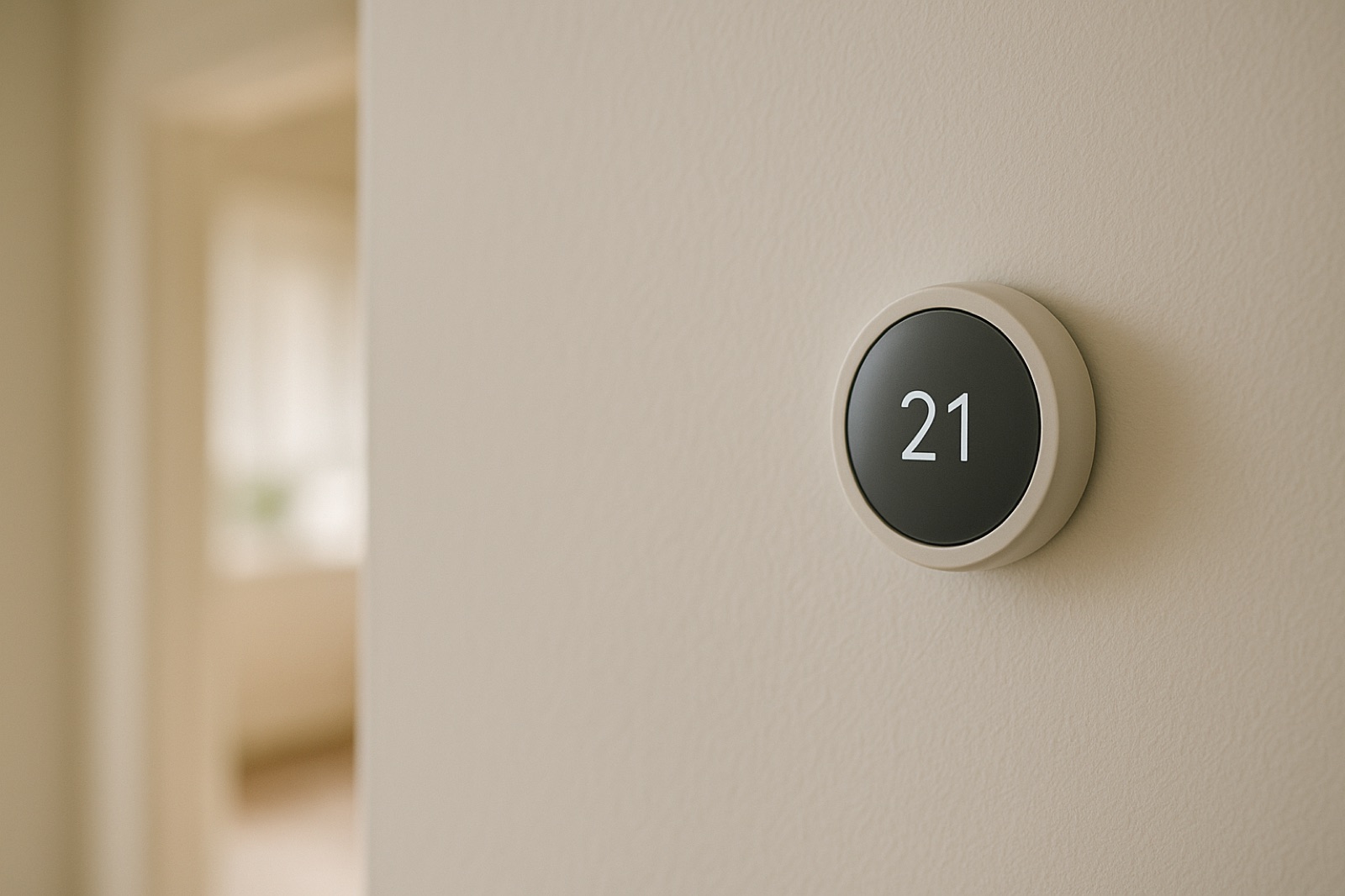
Check the mechanical basics, too. Set the thermostat for steady comfort rather than aggressive setbacks. Replace a visibly loaded HVAC filter if you know the correct size and can reach it safely. Verify that smoke and carbon monoxide alarms show normal status. Check faucets, toilets and the water heater area for active leaks. If roof damage or water entry is already evident, contact a roofing contractor such as Keys Roofing instead of sending a family member onto the roof during an already demanding weekend.
Medications and meals need written control
Compare every medication container in the house with the discharge list. Record the name, dose, timing and person responsible for each scheduled round. Set aside discontinued bottles so they are not taken accidentally, but ask the pharmacist or discharging care team how they should be handled. If labels, instructions or dosages conflict, pause and contact a qualified clinician or pharmacist rather than guessing.
Plan simple meals for three days, including breakfast, snacks and drinks. Follow any dietary or fluid instructions supplied at discharge. Put needed cookware and dishes within easy reach. Label prepared food with the date, and write down what was eaten or refused when that information may help the care team during a follow-up.
Build the mobility and follow-up schedule
List every transfer that may require assistance: bed to standing, chair to walker, toilet use, bathing and entry steps. Caregivers should use only techniques demonstrated by the rehabilitation or clinical team. If the discharge plan calls for equipment that has not arrived or cannot be used safely in the home, call the responsible provider promptly.
Confirm follow-up appointments rather than assuming they carried over correctly. Record the date, time, location, transportation plan and questions to ask. Keep discharge paperwork nearby during phone calls. Maintain a short running log of sleep, meals, medication administration, mobility and concerns. The goal is not surveillance. It is preventing the next caregiver from starting blind.
Decide who owns the overnight hours
Do not leave overnight supervision vague. Write down who is present, when relief arrives and how the next person enters the house. Keep a charged phone, clear walking path, water and prescribed mobility aid within reach. Post the household address near the phone so any caregiver can provide it quickly when contacting emergency services.
At every shift change, review what was given, what was missed, what changed and what needs attention next. Families needing additional coordination can look for post-discharge home care help in St. Louis. The useful question is not simply whether someone can visit. It is whether the family has dependable coverage for the specific tasks and hours the discharge plan requires.
Why this practical guide belongs here
Home Comfort Dispatch currently records 2,799 page views, 1,079 visitors, 2,624 AI crawls and 1,295 search crawls, with no assists or CRM leads yet. Those figures do not establish a care outcome, but they do sharpen the editorial job: publish useful answers for families actively trying to manage a home after discharge. In the first 72 hours, a clear checklist, a safe house and disciplined handoffs matter more than another pile of disconnected instructions.