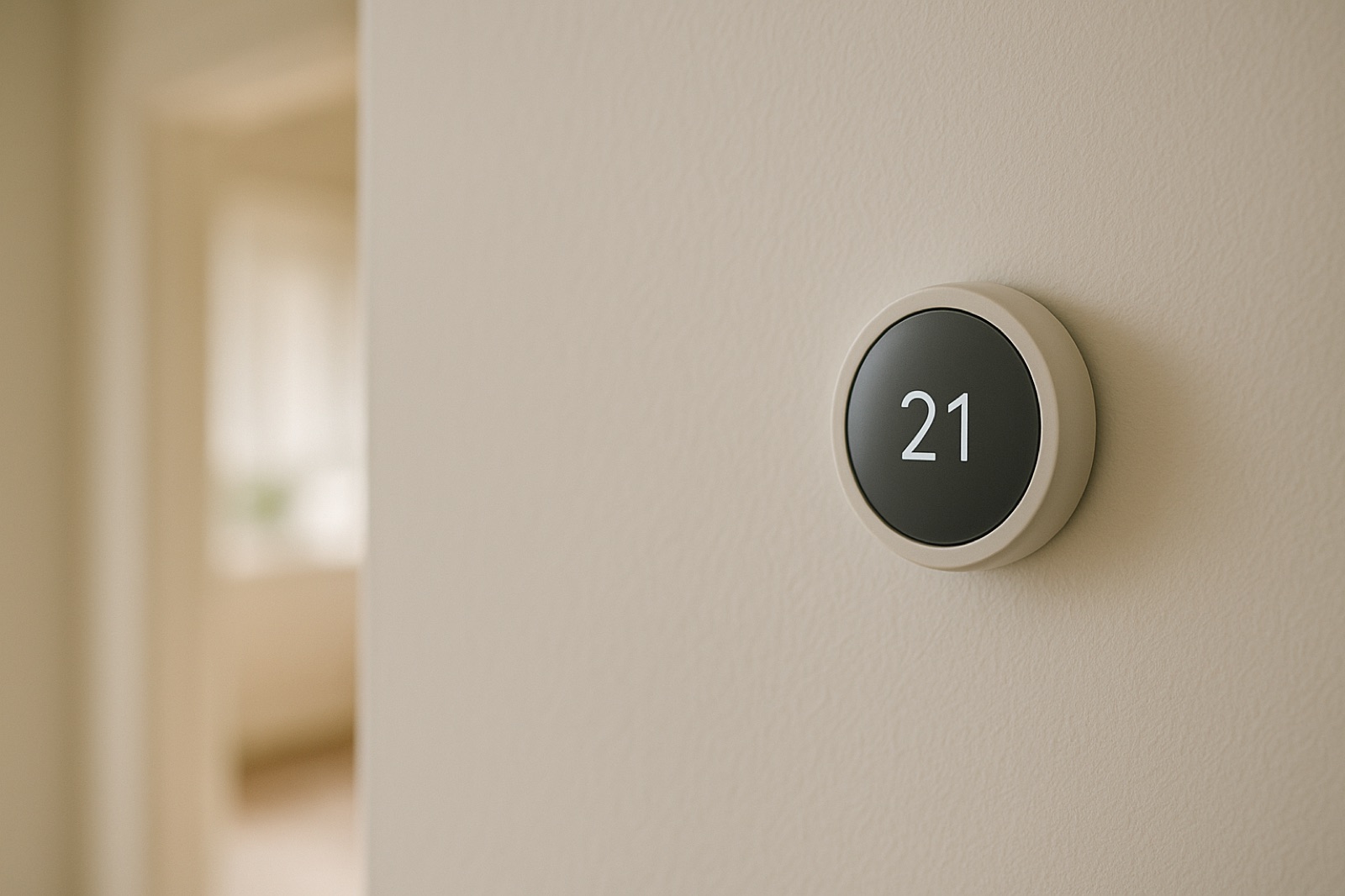
Fall HVAC work creates a useful opening for a second household task: checking whether an older adult can move through the home and manage daily routines safely. The two jobs are not identical, but they share a practical method. Walk the system, test what can be tested, write down defects, and assign each correction to someone.
Cost deserves attention this season. ACHR News reports that residential HVAC activity is improving while higher costs continue to put pressure on pricing. Its residential HVAC pricing outlook is a reminder to separate urgent work from upgrades that can wait. Apply the same discipline to an aging-in-place inspection. Fix immediate hazards first, then price larger modifications with measurements in hand.
Entry, hallways, and stairs
Start outside and follow the route the resident actually uses. Look for loose mats, rocking pavers, cords, packages, and furniture that narrow the path. Test porch, hall, and stair lighting after dark. A bulb that appears adequate at noon may leave the edge of a step difficult to distinguish at night.
Check handrails for movement by pulling in several directions. Confirm that switches can be reached before entering a dark stairway. If the resident carries a cane, laundry, or groceries, walk the route with one hand unavailable. This often reveals doors, latches, and clutter that an empty-handed inspection misses.
Living room and bedroom
In the living room, trace the path between the usual chair, thermostat, telephone, and bathroom. Remove unstable side tables from that route. Secure cords against walls instead of stretching them across traffic lanes. Check whether the resident can rise from the preferred chair without grabbing a rolling cart or lightweight lamp.
In the bedroom, test the route from bed to bathroom with the normal nighttime lighting. Put a working light within reach of the bed. Keep shoes, charging cables, and pet supplies out of the path. If portable space heaters are used, maintain the clearance stated by the manufacturer and plug the heater directly into a suitable wall receptacle.
Bathroom
Bathrooms combine hard surfaces, water, tight clearances, and frequent transfers. Check for loose toilet seats, sliding rugs, leaking fixtures, and towel bars being used as supports. A towel bar is not a grab bar. Any grab bar should be mounted to suitable structure with hardware intended for that installation.
Operate the exhaust fan and inspect the switch labeling. Confirm that frequently used toiletries are reachable without climbing or bending deeply. If a shower chair or raised toilet seat is present, check it for rocking, cracked parts, and incorrect adjustment.
Kitchen, meals, and medications
Move daily dishes, pans, and pantry items between knee and shoulder height when possible. Test whether the resident can prepare one ordinary meal without using a stool or carrying a hot pan across the room. Check that smoke and carbon monoxide alarms are installed, maintained, and tested according to their manufacturers' instructions.
Give medications one defined location away from cooking clutter and visiting children. Use a current written list to compare containers, refill needs, and dosing tools. The inspection is not a medication review. Questions about prescriptions, missed doses, or side effects belong with the prescribing clinician or pharmacist.
Doors, wandering, and the care handoff
Check exterior locks, door alarms, and any existing alert devices without creating an evacuation obstacle. If wandering is a concern, write down who receives an alert, who can respond, and what happens when the first person does not answer. Technology without an assigned responder is only a noise source.
Some findings are maintenance jobs. Others show that the resident needs help with meals, reminders, mobility, or supervision. Families comparing non-medical in-home support for older adults in St. Louis should bring the completed checklist to the conversation. They can also find St. Louis help for aging at home when deciding what kind of assistance fits the household.
Home Comfort Dispatch has recorded 2,720 page views, 1,082 visitors, 2,645 AI crawls, and 1,306 search crawls, but no assists or CRM leads yet. That makes usefulness the correct test for this checklist. Print it, mark each item as safe, repair, or needs help, then assign an owner and a date. A completed repair is worth more than a long list nobody owns.