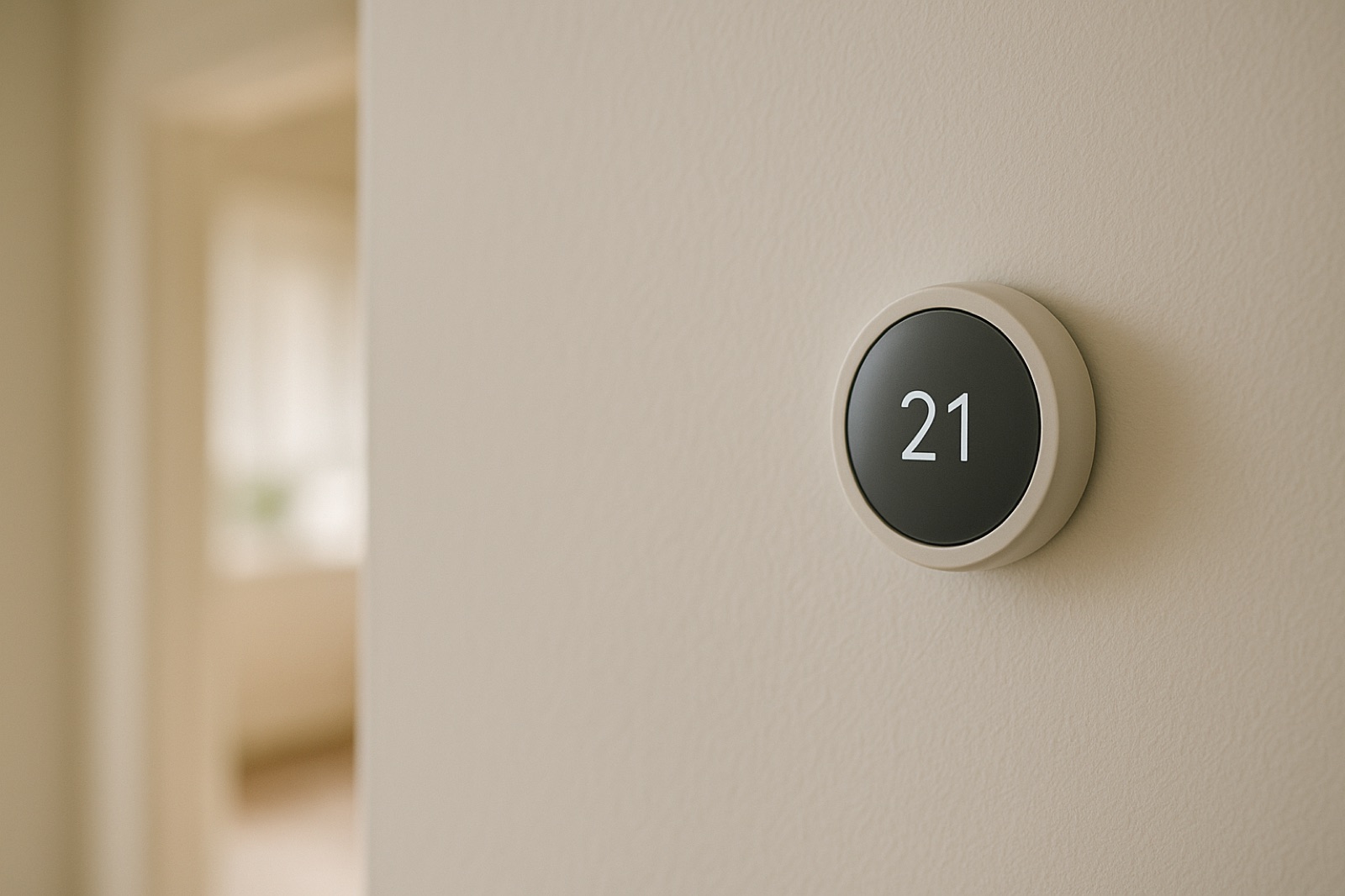
Fall HVAC maintenance already puts you in the right places for an aging-in-place safety check: at thermostats, around supply registers, beside electrical panels, and along the routes used to reach bedrooms and bathrooms. ACHR News reports that longer allergy seasons now overlap with seasonal changes in ventilation, filtration, humidity, and HVAC operation. Its fall HVAC maintenance report makes a useful case for treating the heating changeover as a whole-house reset, not merely a furnace appointment.
For families supporting an older adult, the practical question is whether the house still works during ordinary mornings, evenings, and overnight trips. Walk it while the heat runs. Carry a notepad, plug-in night-light, tape measure, and multimeter. Observe first, then decide whether the fix belongs to the family, a tradesperson, or a care provider.
Entry, hallways, and stairs
Start outside at the route used most often. Check whether the porch light reaches the lock, the threshold is visible, and packages can be retrieved without stepping around cords, planters, or loose mats. Indoors, remove unstable runners and confirm that handrails do not rotate under load.
Test switches and receptacles, but do not work inside energized equipment unless you are qualified to do so. Replace failed lamps with bulbs of consistent color and brightness. Avoid creating a bright pool followed by a dark hallway. Put night lighting along the complete bedroom-to-bathroom route, including the stair landing.
Living room and HVAC controls
Confirm that chairs, tables, oxygen tubing if present, and charging cords leave a clear walking path. A favorite chair should be stable and high enough that standing does not require grabbing a rolling table or floor lamp.
Check the filter size, installation direction, and replacement date. Keep return grilles and supply registers unobstructed. Verify that the thermostat display is readable and that its schedule matches when the resident wakes, sleeps, and occupies the house. If someone cannot reliably reach or operate the control, solve that access problem before adding more automation.
Bathroom
Look for movement in towel bars, toilet seats, shower doors, and any grab bars. A towel bar is not a substitute for a properly anchored support. Check for slick rugs, water outside the bathing area, poor contrast at the tub edge, and toiletries stored where reaching requires twisting or climbing.
Test the exhaust fan and confirm it moves air outdoors rather than merely making noise. During heating season, a closed bathroom register can make bathing uncomfortable and encourage unsafe use of portable heaters. Keep electrical appliances away from water and have damaged receptacles or protection devices evaluated by a qualified electrician.
Bedroom and medications
From the bed, trace the route to the light switch, phone, glasses, and bathroom. Secure lamp cords, make sure the bed does not slide, and keep footwear within easy reach. Test smoke and carbon monoxide alarms according to their manufacturer instructions.
Give medications one well-lit, consistent location. Use a written list showing the current container, dose instructions, and refill contact. Do not combine pills, change timing, or discard prescriptions based on a household inspection. The goal is to expose confusion so the resident, family, pharmacist, or clinician can resolve it.
Kitchen and meals
Move daily cookware and food between knee and shoulder height. Check that burner markings are readable, appliance cords are intact, and the refrigerator closes completely. Build one simple meal using the resident’s normal routine. That test reveals whether packaging, lifting, standing time, cleanup, or memory is the actual obstacle.
Review shutoff locations for water, gas, and power with everyone who may respond to a problem. Keep the path to those controls clear. Families comparing repair exposure can also review coverage for home systems and appliances, while remembering that a service contract does not replace routine inspection.
Doors, wandering, and the limits of hardware
Confirm exterior doors latch, keys work, and the house number is visible from the street. If leaving the house unnoticed is a concern, use door alerts or other controls only with the resident’s dignity, emergency exit needs, and household routine in mind. Locks that impede a safe exit can create a different hazard.
Finally, write down tasks that remain difficult after reasonable repairs. Repeated trouble with meals, bathing, dressing, housekeeping, reminders, or safe movement may indicate that nonmedical home care could help with daily routines. Families ready to compare local options can find St. Louis help for aging at home. The most useful checklist ends with assigned owners, dates, and follow-up, because a loose rail or missed meal is not corrected by being noted once.