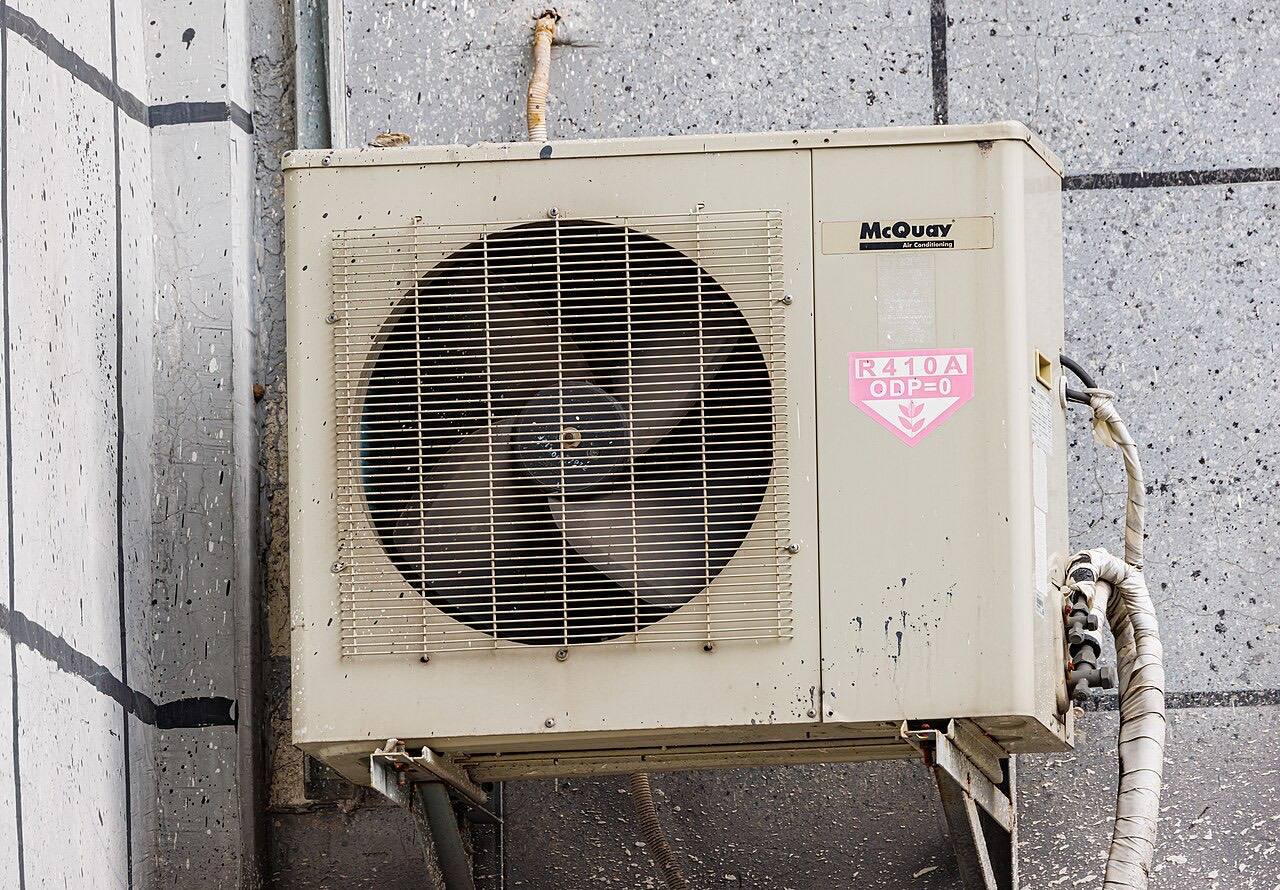
When it comes to maintaining your HVAC system, having the right tools at your disposal can make all the difference. Whether you’re troubleshooting a minor issue or performing routine maintenance, equipping yourself with essential gear helps ensure that your system runs efficiently and effectively.
Basic Electrical Tools
No HVAC maintenance toolkit is complete without a multimeter. This handy device allows you to measure voltage, current, and resistance, enabling you to diagnose electrical issues safely. Homeowners should also include a set of screwdrivers (both Phillips and flat-head) for tightening or loosening fasteners. Pair those with a quality socket set for easy access to tight spots, particularly around the furnace and air handler.
Manifold Gauge Set
If you plan to work on your air conditioning system, a manifold gauge set is a must-have. This tool measures the pressure of refrigerants within the system, crucial for diagnosing issues such as low refrigerant levels or leaks. It’s essential to know how to use this tool properly to avoid damaging your HVAC system.
Safety Gear
Safety should always be a priority. Proper safety gear, including gloves and safety glasses, protects against sharp edges and chemicals. A good pair of knee pads can also be beneficial when crawling around in tight spaces, such as attics or basements.
Cleaning Tools
Keeping your HVAC system clean is vital for its longevity. A vacuum with a brush attachment is excellent for removing dust and debris from vents and air returns. A soft brush can help clean the evaporator and condenser coils, while a coil cleaner will ensure that they operate efficiently. Don’t forget to stock up on filters for your system; regular replacement can significantly improve air quality.
Specialized Equipment
For more advanced homeowners, investing in a refrigerant recovery machine can pay dividends, especially if you perform HVAC repairs regularly. This tool allows you to safely recover and recycle refrigerants during a service, a critical step in ensuring environmental compliance.
Assessing Energy Efficiency
In light of the ongoing developments in energy efficiency, as highlighted in the Solar Achievements Timeline by the U.S. Department of Energy, understanding how to assess your home’s energy use can help you identify potential areas for improvement. While not a physical tool, energy monitors are becoming increasingly popular. These devices can help you understand how much energy your HVAC system uses, allowing you to make informed decisions about upgrades and replacements.
Final Thoughts
Maintaining your HVAC system doesn’t have to be overwhelming. With the right tools and a bit of know-how, you can take charge of your home's comfort. Regular maintenance not only extends the life of your system but also keeps your energy bills in check.
Remember, while these tools are essential, always prioritize your safety and consider consulting with professionals for major repairs or modifications.
For local service context, see a roofing contractor such as Keys Roofing.