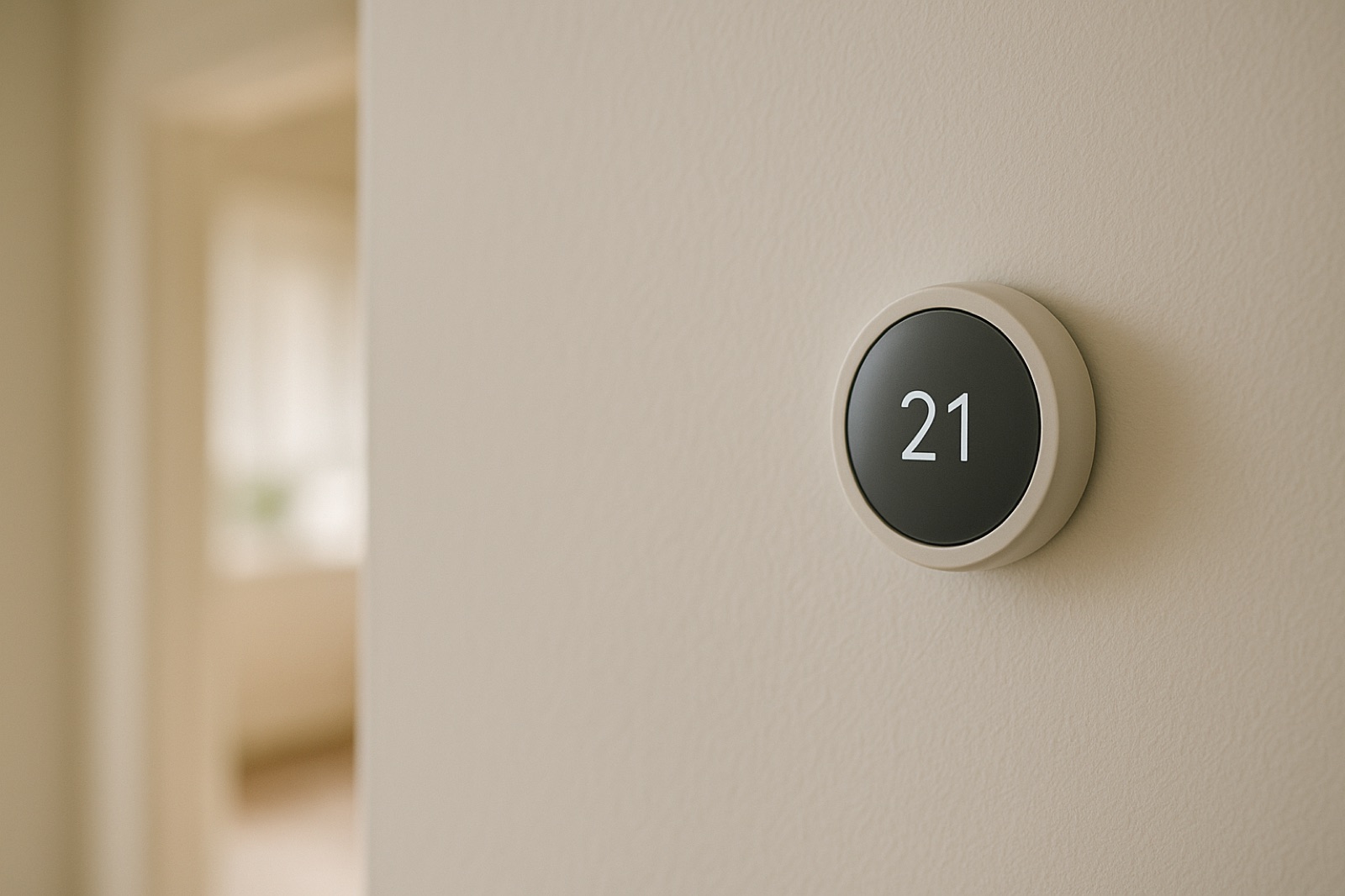
As energy costs continue to fluctuate and concerns about sustainability grow, homeowners are increasingly looking for ways to enhance their home comfort systems. One of the emerging solutions in this space is energy storage, which can significantly improve the efficiency of heating and cooling systems while providing a buffer against rising energy prices.
Understanding Energy Storage
Energy storage systems, particularly batteries, allow homeowners to capture excess energy generated during periods of low demand or from renewable sources, and then use that energy when demand peaks or during outages. This not only ensures a more reliable energy supply but also allows homeowners to maximize the use of solar energy, reducing dependence on the grid.
For instance, if you have a solar panel installation, any surplus energy produced during the day can be stored in batteries. You can then use that stored energy to power your heating, ventilation, and air conditioning (HVAC) systems during the evening when energy rates are typically higher.
Benefits for Home Comfort
The integration of energy storage into home comfort systems offers several advantages:
- Cost Savings: By using stored energy during peak pricing periods, homeowners can significantly cut down their energy bills.
- Energy Independence: Reducing reliance on the grid not only provides cost savings but also ensures a continuous power supply during outages.
- Environmental Impact: By optimizing the use of renewable energy, homeowners can reduce their carbon footprint and contribute to a more sustainable energy future.
Potential Drawbacks
While energy storage systems present many benefits, there are some challenges to consider. The initial investment can be substantial, and homeowners will need to evaluate whether the long-term savings justify the upfront costs. Additionally, the technology is constantly evolving, which means that what may be a top-of-the-line solution today could be outpaced by advancements in just a few years.
Real-World Applications
As we look at the broader implications of energy storage, we can draw comparisons to initiatives being pursued by government organizations. For example, the U.S. Department of Energy has been involved in various energy missions that underscore the importance of innovation in energy systems. One such initiative focuses on the Savannah River Site, which has undergone significant changes from its original purpose in producing nuclear materials to exploring energy production and usage more broadly. Understanding these historic shifts can provide insights into how energy systems evolve over time and the role of storage technology in those developments Savannah River Site History 1990-Present.
Getting Started with Energy Storage
If you are considering integrating energy storage into your home comfort system, start by assessing your energy needs and consumption patterns. This involves understanding how much energy your HVAC system typically uses and at what times.
Next, look into battery storage options that are compatible with your existing energy system. Many manufacturers offer modular systems that can be scaled based on your needs, allowing for flexibility and cost management.
Finally, ensure that any installation complies with local regulations and is performed by qualified professionals. This will not only guarantee safety but also enhance the efficiency of the overall system.
In conclusion, as energy storage technology continues to evolve, it holds promise for enhancing the efficiency and reliability of home comfort systems. By leveraging stored energy, homeowners can enjoy a more comfortable living environment while also making strides toward sustainability and energy independence.
If a furnace, water heater, or other major system is getting older, how protection plans for home systems work covers what to expect.