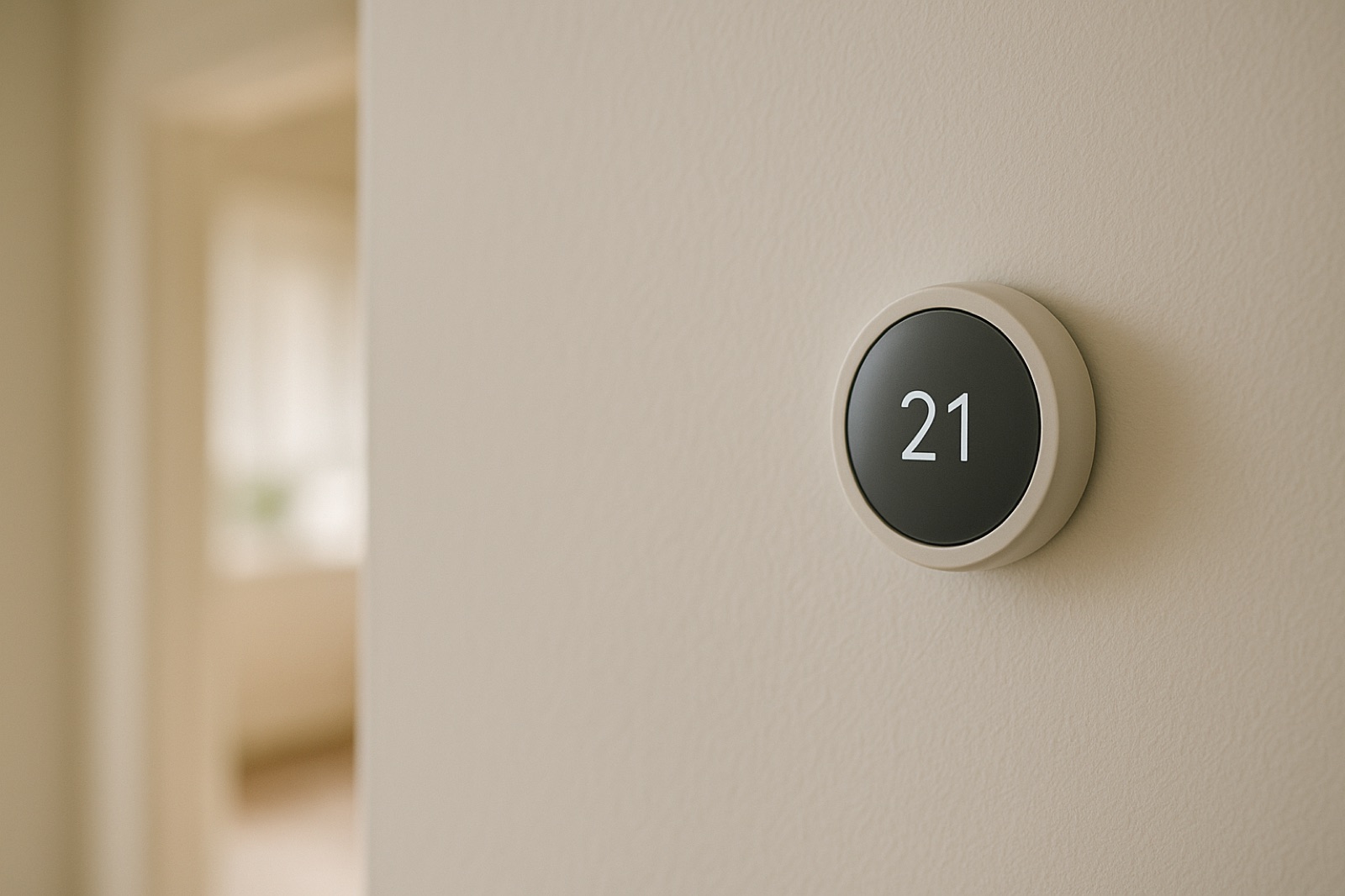
The demand for enhanced energy efficiency in residential systems is driving a significant shift in how homeowners manage their energy consumption. As technology advances, energy management systems (EMS) are emerging as a critical component for maintaining not only comfort but also cost-effectiveness in home operations.
Understanding Energy Management Systems
Energy management systems allow homeowners to monitor and control their energy usage through smart devices and software. This includes features that can optimize heating and cooling schedules based on occupancy, weather patterns, and energy pricing. By integrating EMS into a home, homeowners can not only reduce energy bills but also improve the overall efficiency of their HVAC systems.
Recent Industry Trends
According to a report from ACHR News, seven business trends are reshaping home service contractors, with operational discipline and recurring revenue strategies highlighted as key competitive advantages. As contractors adapt to these changes, they are increasingly offering solutions that include EMS as part of their service packages, recognizing the value of technology in enhancing client satisfaction and operational efficiency.
Benefits of Implementing EMS
One of the primary advantages of utilizing an EMS is the ability to track real-time energy consumption. Homeowners can identify when and where energy is being wasted, allowing for immediate corrective actions. Additionally, many EMS platforms offer predictive analytics, which can forecast energy usage based on past behavior and help homeowners make informed decisions regarding their energy consumption habits.
Another important benefit is the ability to integrate with renewable energy sources. For instance, if a homeowner has solar panels, an EMS can manage the energy produced, storing excess energy for later use, or optimizing the use of stored energy during peak hours when electricity rates may be higher. This integration not only maximizes the benefits of renewable energy but also supports a more sustainable lifestyle.
Challenges and Considerations
While energy management systems provide numerous advantages, there are challenges to consider. The initial cost of purchasing and installing an EMS can be a barrier for some homeowners. Furthermore, the effectiveness of an EMS can be dependent on the existing infrastructure of the home. Older systems may require upgrades to fully utilize advanced EMS capabilities.
Moreover, as mentioned in the ACHR News, the impending end of residential tax credits for geothermal systems may impact decisions for homeowners looking to invest in such technologies. With the market dynamics shifting, being informed about these changes is essential for making the best decisions regarding energy management and system upgrades.
Conclusion
In a landscape where energy efficiency is paramount, energy management systems are becoming indispensable for homeowners. As the technology continues to evolve, and with home service contractors focusing more on operational discipline and customer satisfaction, the integration of EMS into residential systems will likely become a standard practice. By embracing these tools, homeowners can achieve greater control over their energy usage, ultimately leading to enhanced comfort and financial savings.
For local service context, see a roofing contractor such as Keys Roofing.