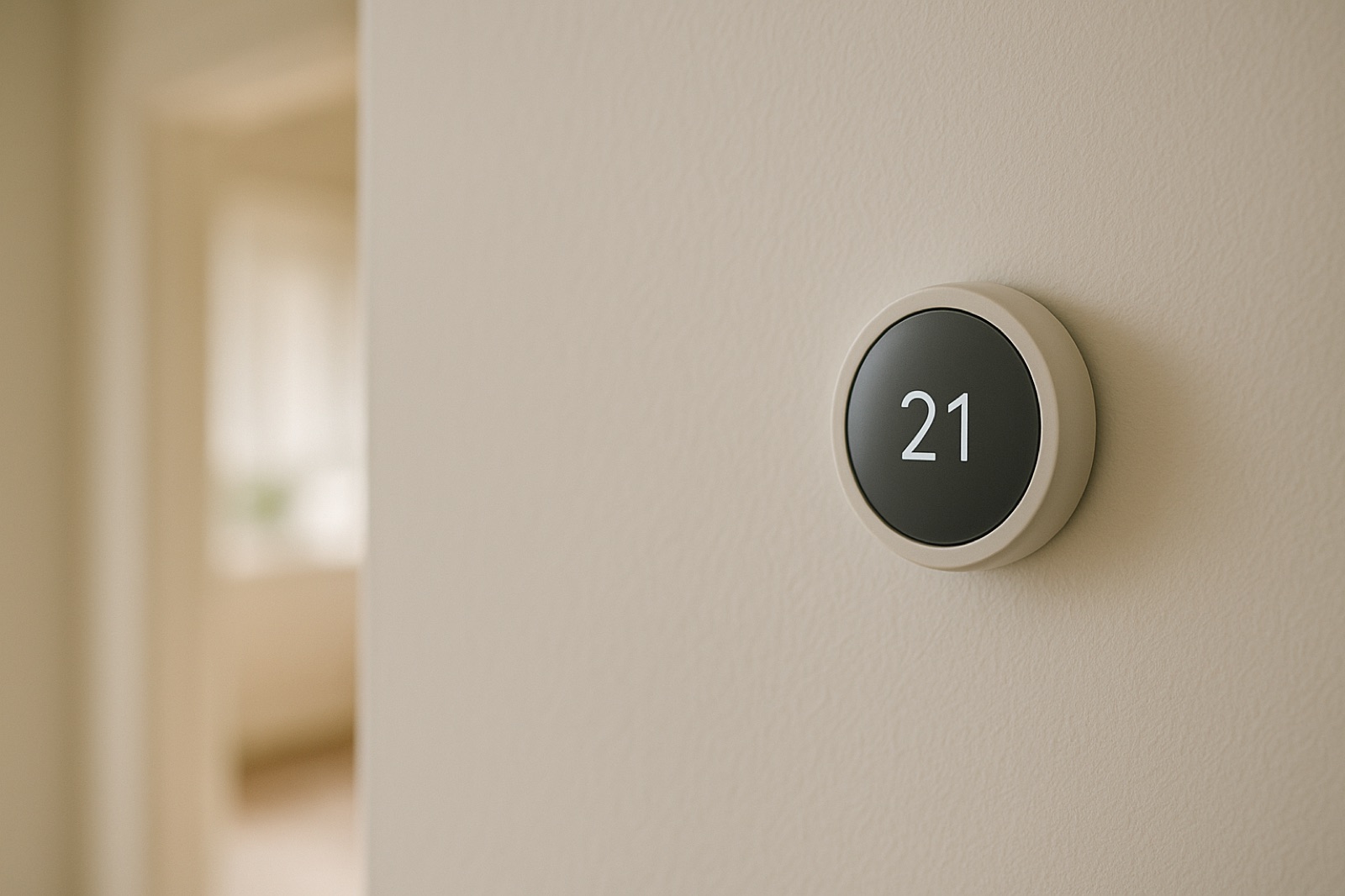
When it comes to home comfort systems, energy efficiency is no longer just a buzzword; it’s a necessity. As technology has advanced, so have the standards governing energy use in heating, cooling, and ventilation systems. Understanding the evolution of these standards can empower you as a homeowner to make informed decisions about upgrades and replacements.
The Early Days of Energy Standards
Energy efficiency standards in home systems began to gain traction in the 1970s, driven largely by the oil crisis and a growing awareness of energy conservation. The introduction of regulations by the Department of Energy (DOE) marked a significant step toward ensuring that new appliances and systems met minimum efficiency benchmarks. This became especially critical as the U.S. sought to reduce its dependence on fossil fuels and lower energy costs for consumers.
Current Standards and Regulations
Fast forward to today, and the landscape has changed dramatically. As of 2023, the DOE has implemented stringent energy efficiency standards for various appliances, including HVAC systems, water heaters, and refrigerators. These standards are designed to push manufacturers to innovate, resulting in systems that not only use less energy but also provide better performance.
According to the U.S. Department of Energy, advancements in technology have led to significant improvements in the energy efficiency of home systems. These improvements often reflect in your utility bills, making for a better investment in the long run.
The Role of Energy Ratings
One critical component of understanding energy efficiency is the energy rating labels found on appliances. The SEER (Seasonal Energy Efficiency Ratio) for air conditioners and the AFUE (Annual Fuel Utilization Efficiency) for furnaces are two examples. These ratings provide a straightforward way to compare the efficiency of different models. Homeowners should take the time to educate themselves on these ratings when making purchases or replacements.
Future Directions
The ongoing push toward energy efficiency is not just a trend; it is a growing market demand. As consumers become more environmentally conscious, manufacturers are likely to focus on developing smarter, more efficient systems. Technologies such as variable-speed drives, advanced heat pumps, and smart-home integrations are becoming more common, ensuring that systems can adapt to varying needs while minimizing energy use.
Moreover, the continued emphasis on renewable energy, as highlighted in the U.S. Department of Energy, suggests that future standards will likely incorporate renewable technologies more fully into home comfort systems. This could mean better integration of solar and wind options for heating and cooling, allowing homeowners to further reduce their reliance on traditional energy sources.
What It Means for Homeowners
As a competent homeowner, staying informed about energy efficiency standards will benefit you in multiple ways. First, knowing the latest in efficiency can help you identify which systems to upgrade, potentially extending the lifespan of your equipment while saving money on energy bills. Second, it places you in a better position to take advantage of tax credits and incentives offered for energy-efficient upgrades.
In conclusion, the evolution of energy efficiency standards has reshaped the landscape of home comfort systems. By understanding these changes, you can make more informed decisions that not only enhance your comfort but also contribute positively to the environment. As technologies continue to advance, staying proactive will ensure your home remains both comfortable and efficient.
For local service context, see a roofing contractor such as Keys Roofing.