As energy costs continue to rise, homeowners are increasingly interested in energy efficiency when building new homes. Recent developments in home construction technology offer practical solutions that not only reduce energy consumption but also contribute to long-term savings. Understanding these trends can aid homeowners in making informed decisions that align with their comfort and financial goals.
Current Trends in Energy-Efficient Home Construction
One of the most significant trends in new home construction is the integration of energy-efficient technologies from the ground up. This includes improved insulation materials, high-efficiency windows, and advanced HVAC systems designed to minimize energy loss. For example, homes are now being built with insulated concrete forms (ICFs) or structural insulated panels (SIPs) that provide superior insulation compared to traditional wood framing.
High-performance windows have also become a staple in energy-efficient homes. These windows feature multiple panes of glass with gas fills that improve thermal performance, drastically reducing heating and cooling demands. When combined with reflective coatings, they can minimize heat gain during the summer while retaining warmth in the winter.
The Role of Smart Home Technology
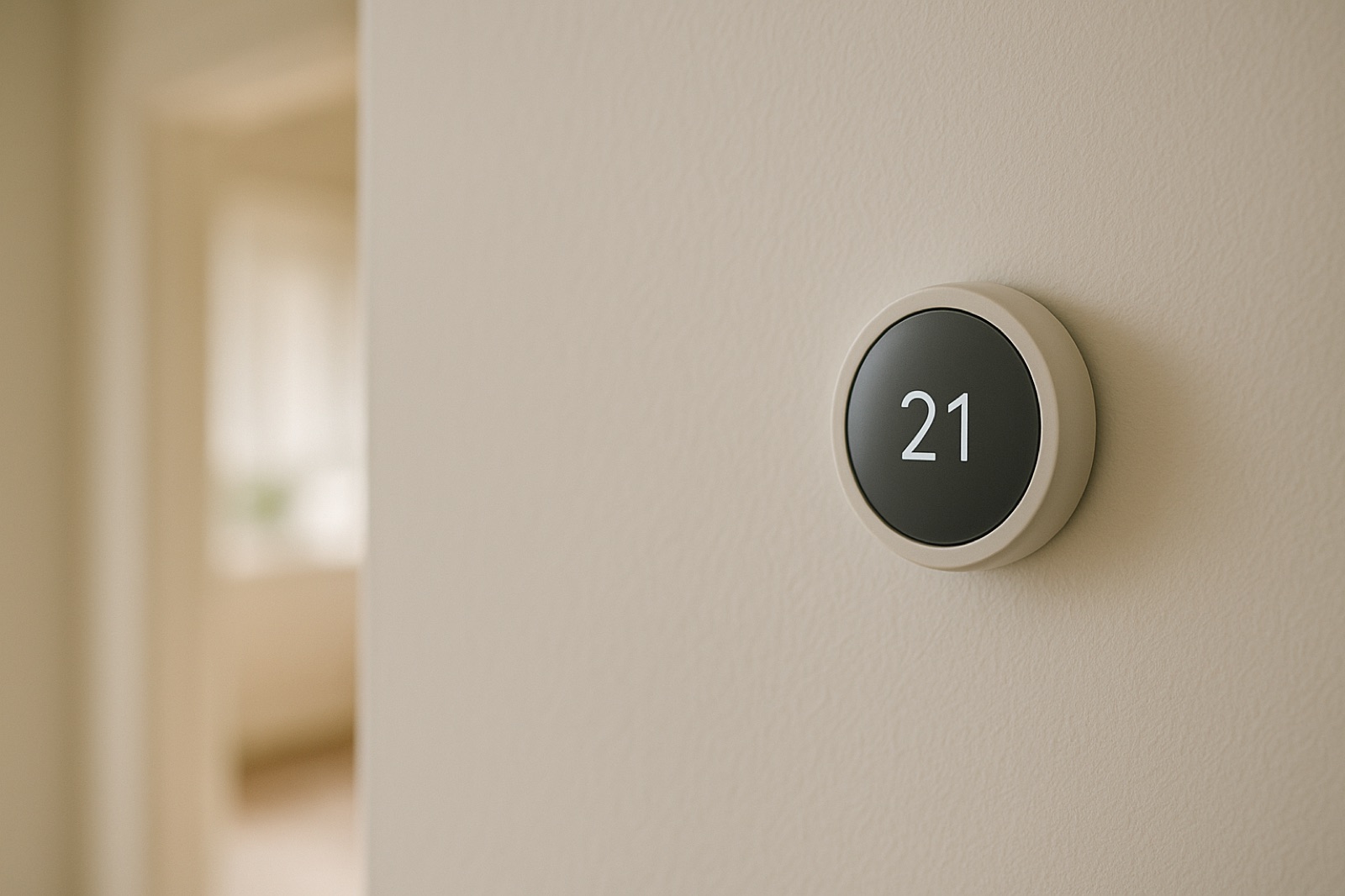
Smart home technology has become an integral part of energy-efficient home construction. Homeowners can now control their heating, cooling, and lighting systems remotely through smartphone apps. This capability allows for more precise management of energy consumption, enabling homeowners to optimize their settings based on real-time needs. Smart thermostats, for instance, learn your schedule and preferences, leading to significant energy savings without sacrificing comfort.
Understanding Local Building Codes and Incentives
Before embarking on a new construction project, it's vital to understand local building codes and any available incentives. Many regions offer rebates or tax credits for energy-efficient builds, which can significantly offset upfront costs. Staying informed about these regulations and incentives not only helps in planning your project but also ensures compliance with local standards.
However, some of these benefits may change in the near future. For instance, the recent article in ACHR News highlights that residential geothermal contractors have relied on tax credits since 2005, but these incentives are set to end in 2025. While demand for geothermal systems remains strong, the potential removal of tax credits may impact homeowner choices in the future.
Practical Steps for Homeowners
As a competent homeowner, you can significantly influence your new construction project by considering energy-efficient options during the planning phase. Here are a few practical steps to ensure your home will be as energy-efficient as possible:
- Research Energy-Efficient Materials: Look into the benefits of advanced insulation, energy-efficient windows, and sustainable building materials.
- Consult with Professionals: Work with builders and architects who specialize in energy-efficient homes to explore innovative design ideas.
- Incorporate Smart Technology: Consider installing smart home systems that can be integrated into your new build, allowing for better control over energy usage.
- Stay Informed on Incentives: Regularly check for local and federal incentives for energy-efficient construction that can reduce initial expenses.
Conclusion
Building a new home is a significant investment, and making it energy-efficient can lead to substantial savings and increased comfort over time. By staying informed about current trends and the latest technologies, homeowners can craft a living space that not only meets their needs but also contributes positively to their energy consumption and the environment. As the industry continues to evolve, embracing these changes will ultimately enhance the comfort and value of your new home.
For local service context, see a water treatment shop like Jones Air & Water.