As energy prices fluctuate and environmental concerns rise, energy efficiency remains a focal point for homeowners looking to optimize their HVAC systems, water heaters, and overall home comfort. With a competent understanding of your home systems, you can effectively implement strategies that enhance efficiency, reduce waste, and ultimately lower bills.
Energy Efficiency in HVAC Systems
Your heating and cooling systems play a significant role in your home's energy consumption. Newer systems are typically more efficient than older units, often designed with better technology that can substantially decrease energy use. For homeowners considering upgrades, the U.S. Department of Energy emphasizes the importance of understanding SEER (Seasonal Energy Efficiency Ratio) ratings for air conditioning units and AFUE (Annual Fuel Utilization Efficiency) ratings for furnaces. Choosing systems with higher ratings can lead to noticeable savings.
Insulation and Sealing
Before diving into equipment replacements, assess your home's insulation and air sealing. Poor insulation leads to heat loss in winter and unwanted heat gains in summer, forcing your HVAC system to work harder. Basic tools like a multimeter can help you check for drafts, while thermal cameras can reveal hidden insulation gaps. Addressing these issues can significantly improve your home’s energy performance.
Water Heating Efficiency
Water heaters are another significant energy consumer in homes. Traditional storage water heaters can waste energy by keeping water hot continuously. Switching to tankless models or heat pump water heaters can enhance efficiency. Additionally, regularly flushing your water heater and adjusting the thermostat to 120°F can help save energy and prolong the unit's lifespan.
The Importance of Maintenance
Regular maintenance is essential for ensuring that your systems operate at peak efficiency. For HVAC systems, this includes changing air filters, cleaning ducts, and checking refrigerant levels. Keeping these systems clean and well-maintained not only improves efficiency but can also extend their lifespan.
Beyond Equipment: Behavioral Changes
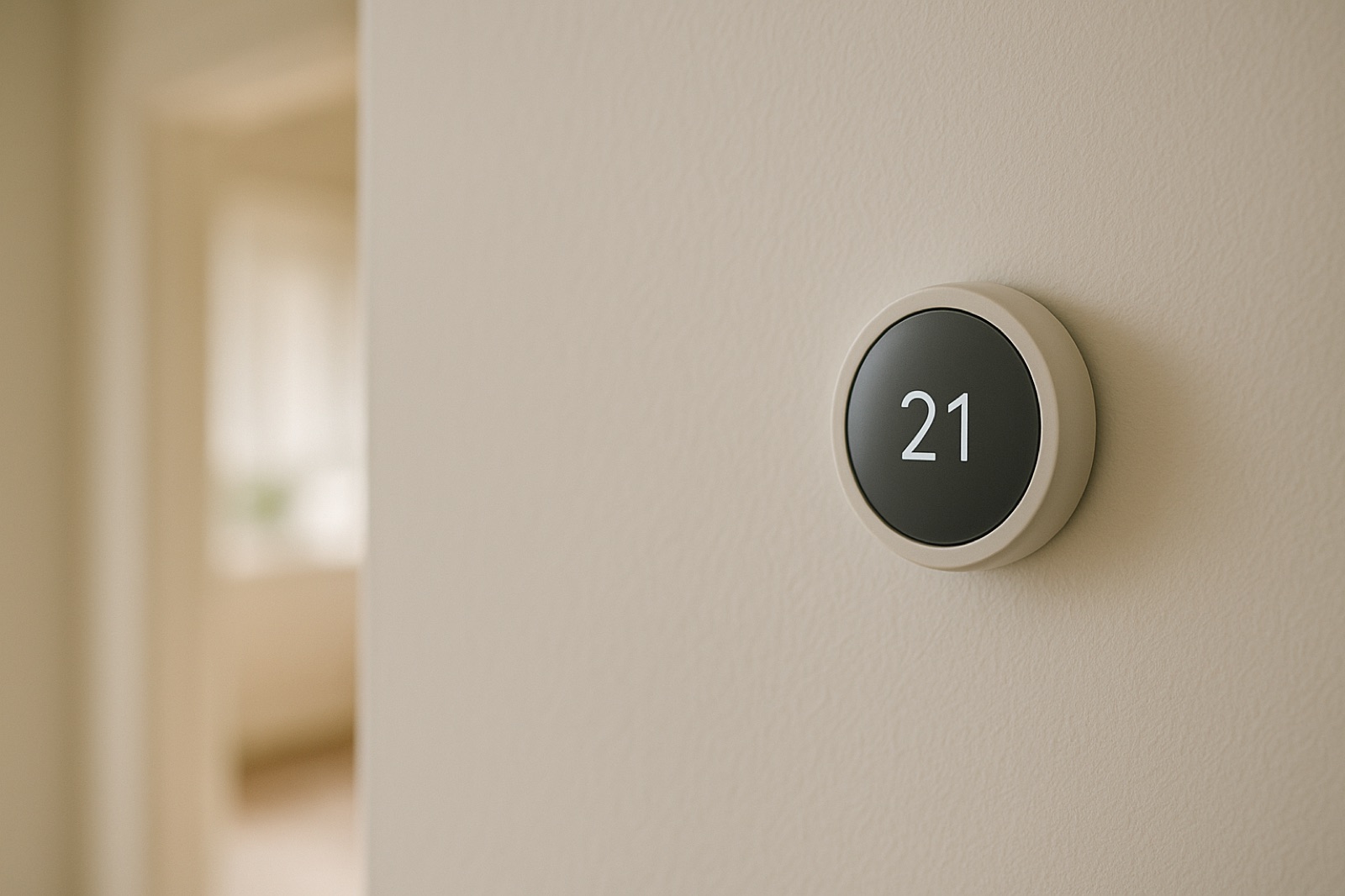
While upgrading equipment plays a key role, simple behavioral changes can also contribute to energy savings. Set your thermostat a few degrees lower in winter and higher in summer, and utilize programmable thermostats to manage heating and cooling based on occupancy. These small adjustments can lead to substantial energy savings.
Funding and Incentives
As energy efficiency becomes increasingly important, various funding and incentive programs have emerged. Homeowners may find federal or state-level programs that rebate a portion of costs for energy-efficient appliances or home upgrades. Staying informed on these options can help make upgrades more financially feasible.
Conclusion
Investing in energy efficiency is not just about purchasing new equipment; it involves a holistic approach to home comfort. By understanding your existing systems, making necessary upgrades, and committing to ongoing maintenance, you can optimize your home for both comfort and cost savings. As we continue to address energy concerns and the implications of systems like those at the Savannah River Site, where technology is developed for critical applications, homeowners can draw lessons for their own energy strategies. The essence lies in making informed choices that align with both efficiency and effectiveness in daily living.
For local service context, see a roofing contractor such as Keys Roofing.