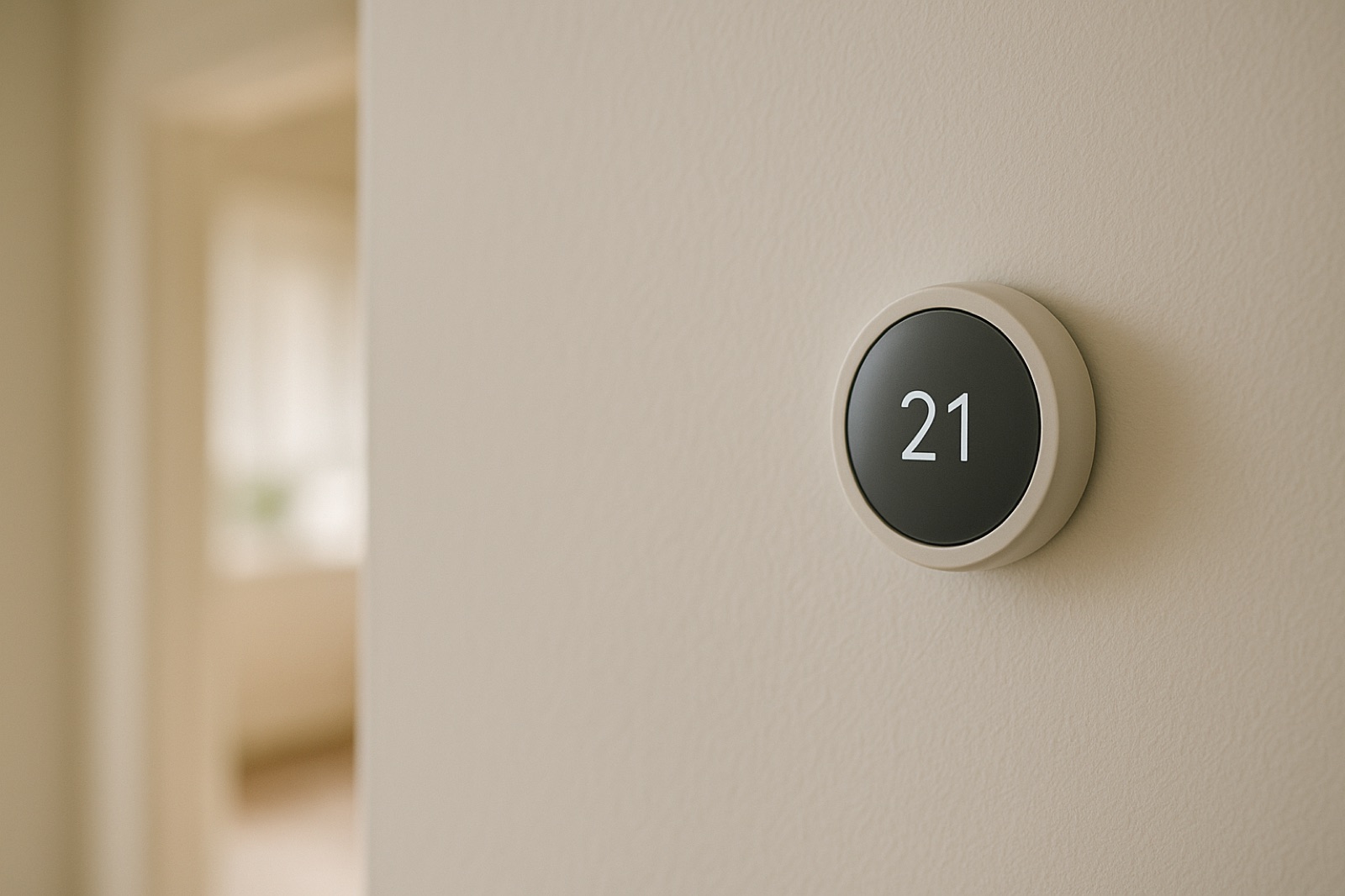
Homeowners looking to upgrade their heating and cooling systems may find themselves in a favorable position thanks to the U.S. Department of Energy's (DOE) recent initiatives. With the introduction of the HOMES and HEEHR rebate programs, the DOE has allocated $8.8 billion to help offset the costs of HVAC equipment upgrades and installations. These programs are designed not only to improve the energy efficiency of homes but also to make HVAC upgrades more accessible.
What are the HOMES and HEEHR Programs?
The HOMES program, short for Home Owner Managing Energy Savings, provides rebates to homeowners who upgrade to more efficient heating and cooling systems. The aim is to incentivize energy-efficient improvements that directly lead to lower utility bills and a smaller carbon footprint.
Similarly, the HEEHR program, or High-Efficiency Electric Home Rebate, emphasizes the installation of electric appliances and systems, which can include electric heat pumps, water heaters, and more. This program is particularly relevant as the demand for electric appliances grows, especially with the ongoing push for reducing reliance on fossil fuels.
How Do the Rebates Work?
For homeowners, the rebate process is relatively straightforward. After installing qualifying equipment, the homeowner can apply for rebates that significantly lower the upfront costs. The actual rebate amounts can vary based on the type of equipment installed and the overall energy savings achieved.
As outlined in an article from ACHR News, these programs aim to boost business for HVAC contractors. This is a win-win situation, as contractors benefit from an increase in demand for their services while homeowners enjoy the financial relief of rebates.
Benefits for Homeowners
Beyond the immediate financial incentives, upgrading to high-efficiency equipment can lead to long-term savings. Modern HVAC systems are designed with advanced technology that not only improves comfort but also maximizes energy efficiency. This may translate to lower monthly energy bills and a significantly improved indoor environment.
Moreover, many of these modern systems come with features that enhance control over heating and cooling, further allowing homeowners to tailor their comfort levels to their liking.
Considerations for Installation
While the prospect of rebates is enticing, homeowners should consider several factors before diving into an upgrade. First, it's essential to consult with a qualified HVAC professional who can assess your home's specific needs. They can help you determine which systems qualify for the rebates and guide you through the installation process.
Another consideration is the maintenance of new equipment. Regular servicing can extend the lifespan of HVAC systems and ensure they operate at peak efficiency. As highlighted in a piece from ACHR News, proper maintenance is essential for protecting compressors and preventing costly failures.
Conclusion
The DOE's HOMES and HEEHR rebate programs provide an excellent opportunity for homeowners to upgrade their HVAC systems while benefiting from financial incentives. By taking advantage of these programs, you can improve your home's comfort, reduce energy costs, and possibly increase your property's value. As always, collaborating with skilled HVAC professionals will ensure that you make informed decisions that best suit your home and lifestyle.
For local service context, see a roofing contractor such as Keys Roofing.