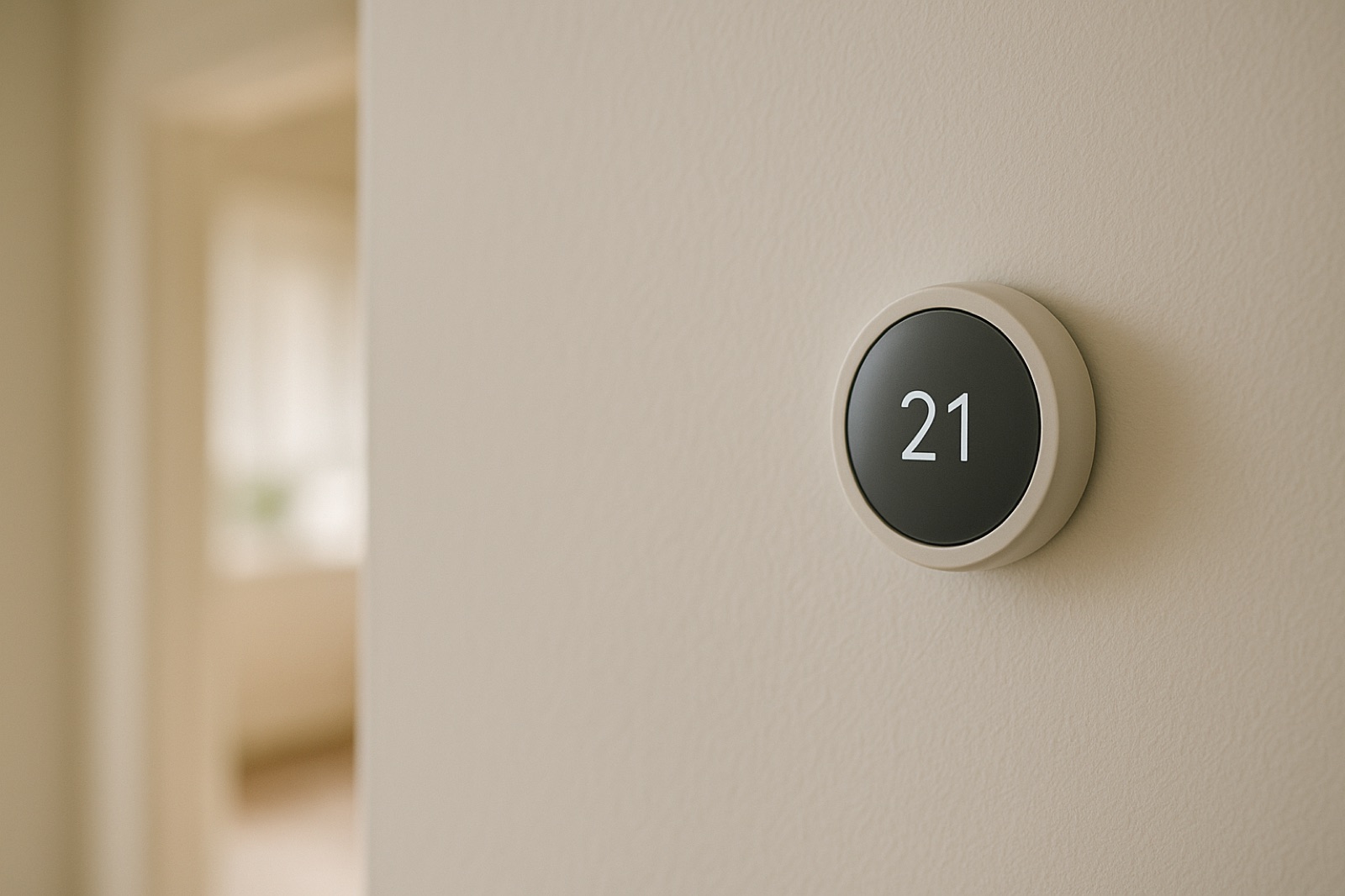
The HVAC industry is undergoing significant changes, particularly with the introduction of federal initiatives aimed at improving energy efficiency in homes. Recently, the Department of Energy (DOE) announced rebate programs totaling $8.8 billion designed to incentivize upgrades and installations of high-efficiency HVAC equipment. These programs, known as HOMES and HEEHR, provide financial support that could significantly benefit homeowners looking to modernize their heating and cooling systems.
What Are the HOMES and HEEHR Programs?
The HOMES (Home Energy Performance-Based Whole-House Rebates) program offers rebates based on improvements in energy efficiency, while the HEEHR (High-Efficiency Electric Home Rebate) program focuses on providing incentives for specific high-efficiency electric appliances and systems. Both programs are structured to encourage homeowners to invest in energy-efficient upgrades, which can lead to lower utility bills and increased home comfort.
The benefits of these programs are twofold. First, they make purchasing new HVAC systems more financially manageable for homeowners. Second, the increased adoption of efficient technologies helps reduce overall energy consumption, aligning with broader environmental goals.
How Can Homeowners Take Advantage?
For homeowners considering an HVAC upgrade, understanding the specifics of these rebate programs is crucial. Potential participants should start by evaluating their current systems. If your HVAC unit is over ten years old, upgrading to a modern, energy-efficient model likely qualifies for these rebates. The rebate percentage can vary based on the efficiency level of the new system, and working with a knowledgeable contractor can help identify the best options.
Before making a purchase, you should gather all necessary documentation regarding your current heating and cooling systems. This includes installation dates, performance ratings, and any maintenance records. Having this information ready will streamline the rebate application process and improve your chance of receiving the maximum benefits.
Contractor Collaboration is Key
Working with a licensed HVAC contractor who understands the nuances of the DOE rebate programs can be incredibly beneficial. They can guide you through the selection of systems that not only meet your comfort needs but also qualify for significant rebates. Furthermore, a contractor can assist with the paperwork required for the applications, ensuring that you receive all the incentives available to you.
As highlighted in a recent article from ACHR News, these programs can boost business for HVAC contractors and elevate the level of service they provide. Homeowners should recognize the dual advantage of upgrading their systems while contributing to a more sustainable future.
Long-Term Considerations
While the immediate financial relief from the rebate programs is appealing, it is also wise to consider the long-term benefits of energy-efficient HVAC systems. More efficient systems not only reduce energy bills but often come with longer warranties and lower maintenance costs over time. Thus, making an informed choice about your HVAC system today can lead to substantial savings and improved comfort for years to come.
In summary, the DOE’s rebate programs present a timely opportunity for homeowners to enhance their HVAC systems at a lower cost. By staying informed and collaborating with skilled contractors, you can maximize the benefits of these federal initiatives and enjoy a more efficient, comfortable home.
For local service context, see a roofing contractor such as Keys Roofing.