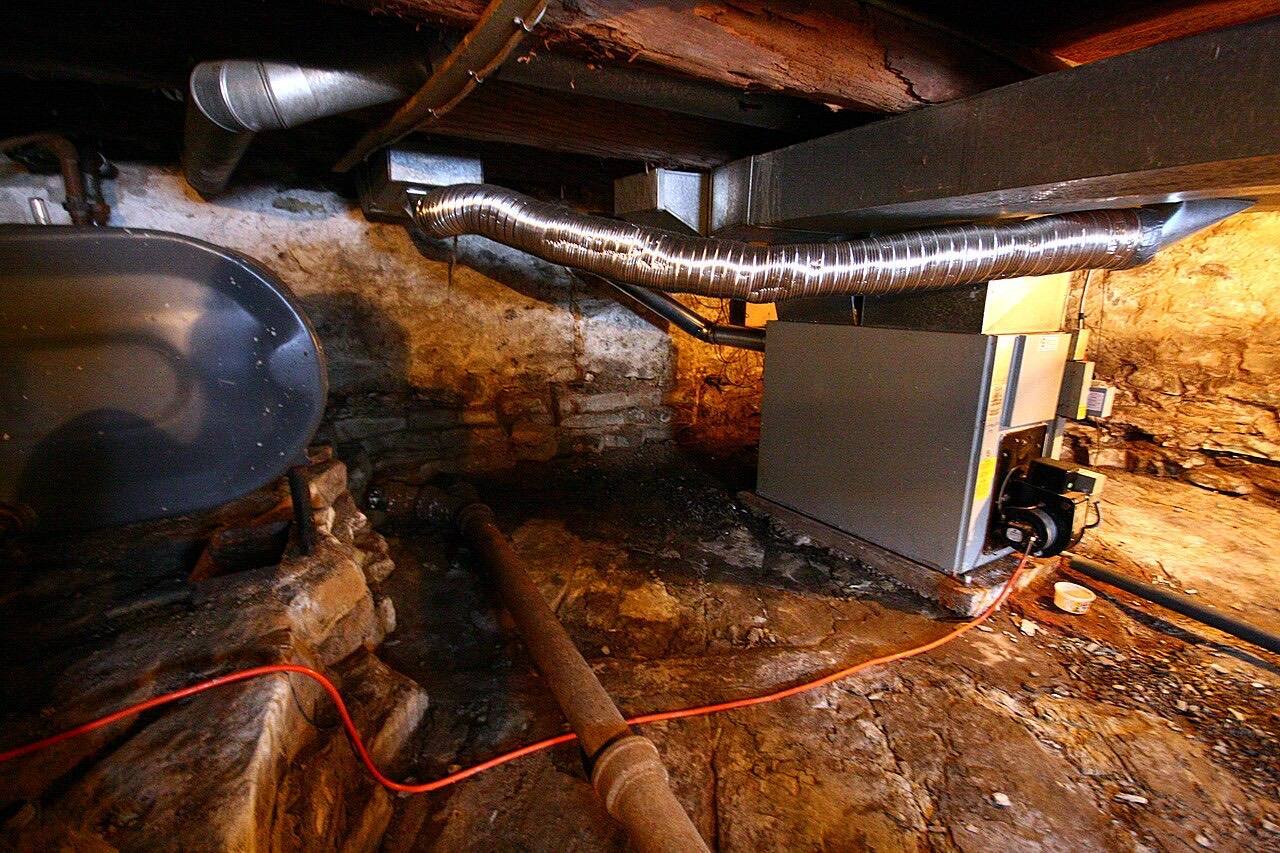
When it comes to HVAC installations, most homeowners think about the big components - the furnace, the air conditioner, and perhaps even the ductwork. However, one crucial step in the installation process often gets overlooked: deep evacuation. This is not just a technical formality; it's a fundamental procedure that can protect your system's integrity and performance.
Understanding Deep Evacuation
Deep evacuation refers to the process of removing air and moisture from the refrigerant lines and components of an HVAC system before charging it with refrigerant. The goal is to create a vacuum that removes contaminants that could affect system efficiency and longevity. While some may treat evacuation as a simple checkbox on the installation checklist, it is much more than that.
The Importance of Moisture Control
Moisture is an enemy of refrigerant systems. When moisture enters the system, it can lead to the formation of acids and sludge, which can corrode components and damage the compressor. This is where deep evacuation plays a crucial role. According to an article from ACHR News, “deep evacuation is not a checkbox, it is system protection.” A thorough evacuation process reduces the risk of moisture entering the system, thus prolonging its lifespan.
Benefits Beyond Longevity
A well-executed deep evacuation can also lead to better system performance. When air and moisture are properly removed, the refrigerant can circulate more efficiently. This means your system can maintain the desired temperature with less energy consumption, ultimately saving you money on utility bills. With energy costs on the rise, homeowners should be more mindful than ever about how their HVAC systems are performing.
Common Misconceptions
Many DIY enthusiasts may think they can skip this step or perform a half-hearted evacuation with a standard vacuum pump. However, standard pumps may not achieve the necessary vacuum levels required to eliminate all moisture and air. Instead, consider investing in a dual-stage vacuum pump that can reach lower pressures, ensuring that your system is thoroughly evacuated. Moreover, always use a reliable micron gauge to verify that the evacuation process has been successful.
Operational Discipline in Home Services
The need for proper evacuation ties back to a broader trend in the home services industry emphasizing operational discipline. As highlighted in another article by ACHR News, the future of home service contractors lies in their ability to implement best practices that prioritize efficiency and quality. For HVAC technicians, this includes thorough deep evacuation protocols that ensure systems operate at peak performance.
Final Thoughts
As a competent homeowner, it is essential to understand the intricacies of your HVAC system. Doing so not only helps you make informed decisions about maintenance and service but also empowers you to ask the right questions when hiring a technician. Make sure your contractor prioritizes deep evacuation in their installation process - it’s a small step that can yield significant long-term benefits for your home’s comfort and energy efficiency.
For local service context, see a roofing contractor such as Keys Roofing.