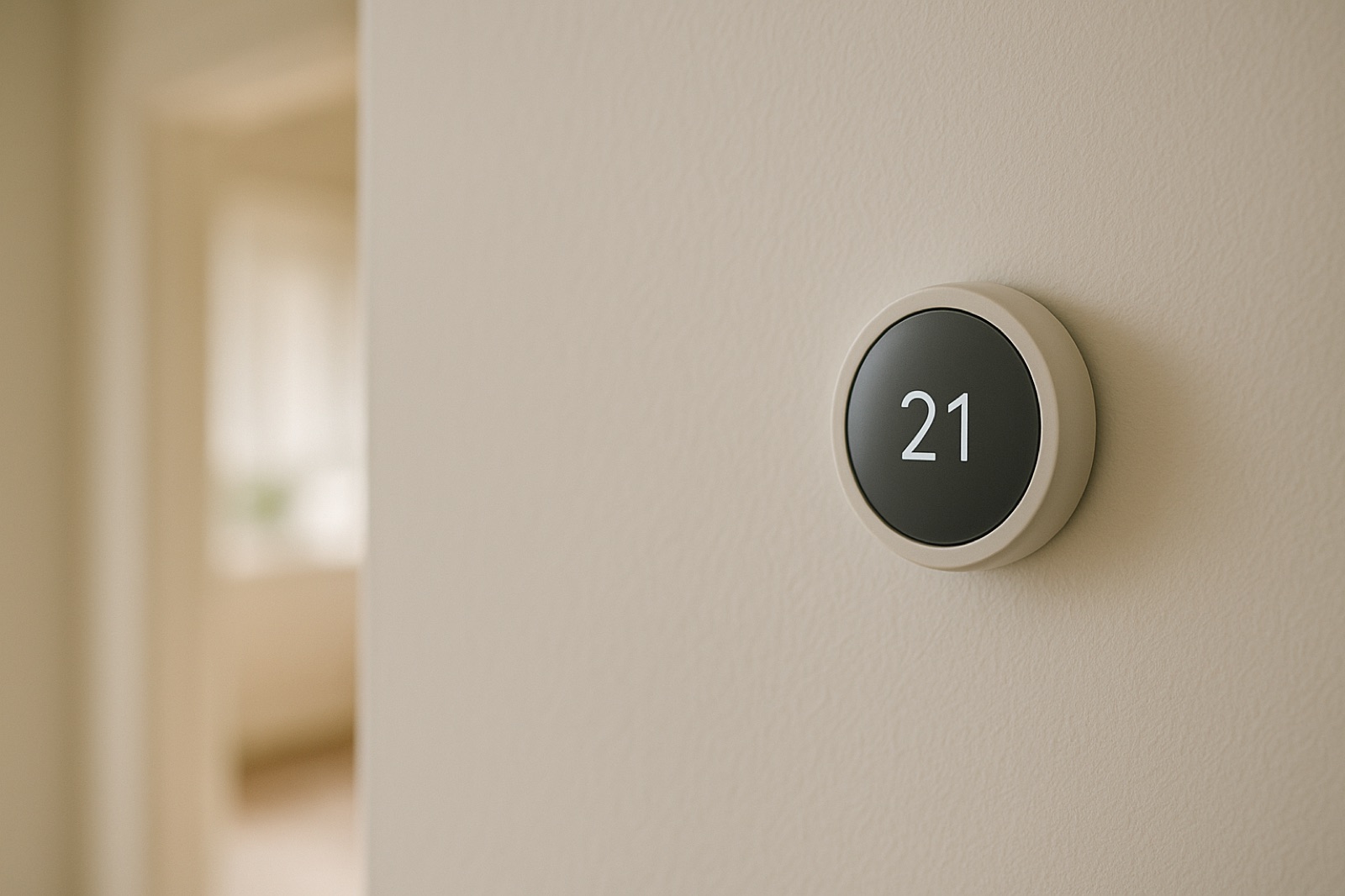
Aging-in-place planning often starts with products: grab bars, brighter bulbs, a pill organizer, perhaps a door alarm. A better starting point is commissioning. Test the house as a working system, using the older adult’s actual routes, routines, reach, balance, vision, and habits.
That approach fits a broader lesson from ACHR News. Its profile of Monica Mack says she founded M3T Cx Authorities roughly 13 years ago because she wanted the authority to create an environment reflecting what she believed the profession should be. The ACHR News commissioning profile is about a business and profession, but the practical idea travels well: define the environment you need, then verify that it performs that way.
For an aging household, do not merely confirm that safety equipment exists. Watch whether the whole route works at 7 a.m., during meal preparation, and after dark. Record each failed test, assign a fix, and repeat the test.
Entry, halls, and stairs: test the route
Walk from the driveway to the favorite chair while carrying keys or a light bag. Check thresholds, loose mats, cords, narrow turns, and furniture that forces a sideways step. On stairs, test whether lighting reaches every tread and whether the handrail can be gripped continuously from bottom to top.
Operate every lock and switch with one hand. Replace weak bulbs and confusing switch arrangements. If the front step disappears into shadow, solve the lighting and contrast problem before adding another gadget indoors.
Living room and bedroom: test transfers and nighttime movement
Sit down and stand up from the usual chair and bed without using unstable furniture for leverage. A rolling table, lampshade, or lightweight nightstand is not a support point. Check whether eyeglasses, a phone, water, and a light control are reachable without stretching from bed.
Then run the bathroom route in low light. Clear footwear, charging cables, pet items, and bedding from the path. A motion light can help, but verify its sensor catches the person before the first obstacle, not halfway down the hall.
Bathroom: test wet conditions
Inspect the room when the floor and hands are damp. Confirm that bath mats stay flat, grab bars are solidly anchored, and the shower entry does not require an awkward step around a door. Test the toilet transfer with the door in its normal position.
Do not assume a towel bar is structural. If someone pulls on it during a transfer, treat that behavior as a failed test and provide a properly mounted support in the location actually used.
Kitchen: test one complete meal
Follow the preparation of a familiar breakfast or lunch. Can the person reach ingredients without climbing, read controls, lift cookware, and move hot food without crossing a cluttered route? Check smoke and carbon monoxide alarms according to their manufacturers’ instructions, and keep frequently used items between knee and shoulder height.
Look beyond cooking skill. Spoiled food, repeated skipped meals, an empty refrigerator, or burners left on indicate a recurring process problem. Rearranging storage may fix one failure. Repeated failures may require meal preparation, grocery help, or someone present during cooking.
Medication area: test the routine, not the organizer
Without changing prescriptions, verify whether the person can identify the correct container, read the label, open it, and follow the existing schedule. Check for duplicate bottles in different rooms and create one consistent storage location unless the prescribed handling instructions require otherwise.
If reminders work only when a family member calls every time, write that down as a staffing need. Questions about doses, missed medications, or interactions belong with a pharmacist or prescribing clinician.
Doors and wandering: test detection and response
Check whether exterior doors can be recognized and operated during the day and at night. If wandering or unsafe exiting is a concern, test any chime, sensor, or alert all the way through: door opens, alert sounds, the responsible person receives it, and someone responds. Avoid creating an exit arrangement that prevents emergency escape.
Know when the problem is labor, not hardware
After the walkthrough, divide findings into house fixes and recurring human tasks. Lighting, clutter removal, storage changes, and secure supports belong on the repair list. Meal preparation, cueing, laundry, transportation, companionship, and routine supervision may point toward nonmedical home care.
Families comparing that option can find St. Louis help for aging at home, using the failed tests to describe the work clearly. Ask who will handle each task, on which days, and what happens when the regular caregiver is unavailable.
This checklist answers a visible need among families looking for an aging-in-place safety review before arranging care. Home Comfort Dispatch currently shows 2,720 page views, 1,082 visitors, 2,645 AI crawls, and 1,306 search crawls, but no assists or CRM leads yet. Those numbers show attention, not outcomes. The useful outcome is a tested house, a written task list, and a clear decision about which failures need tools, repairs, family time, or paid help.