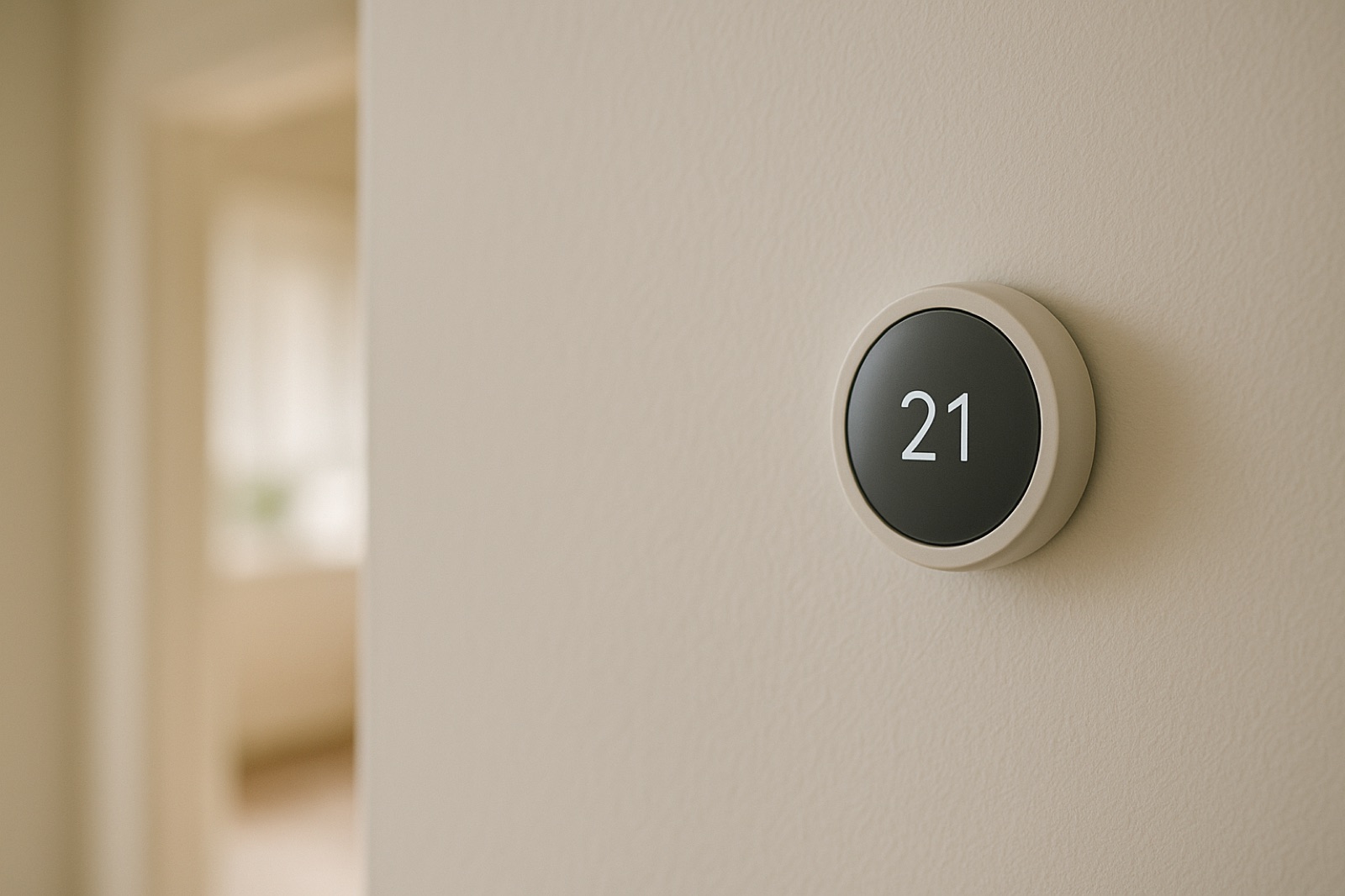
An aging-in-place safety check should work like commissioning a mechanical system. Walk the entire operating path, test controls under real conditions, and write down failures before buying equipment or arranging care.
That approach fits a broader lesson from the HVAC trade. ACHR News reports that the EPA is updating the Section 608 certification exam to reflect the refrigerants, technologies, and service practices technicians now encounter. Homes change, equipment changes, and the checklist has to keep up. A grab bar installed five years ago does not settle whether the bathroom works safely today.
Run this inspection while the older adult follows a normal routine. Watch without turning the exercise into a performance. The useful question is not whether someone can complete a task once. It is whether the task remains manageable when tired, carrying something, answering the phone, or moving through the house after dark.
Entry, stairs, and walking routes
Start outside. Check the path from driveway to door for uneven slabs, loose gravel, hoses, poor drainage, and steps that disappear in shadow. Confirm that railings do not wobble and that the person can unlock the door without balancing bags on a knee.
Inside, trace the most common routes: bedroom to bathroom, chair to kitchen, and door to medication storage. Remove loose rugs or secure them with appropriate backing. Move cords, pet bowls, low tables, and decorative objects out of the travel lane. On stairs, test every handrail and replace burned-out bulbs. Contrasting tape on the first and last tread can make boundaries easier to see, but it should lie flat and resist peeling.
Lighting and controls
Test the house in the evening, not only at noon. Look for glare, deep shadows, and switches hidden behind furniture. Add accessible lamps where a ceiling fixture still leaves the route dark. Night-lights should reveal the floor without shining directly into the sleeper's eyes.
Check whether switches, thermostats, remotes, and door locks are readable and understandable. Label only what needs labeling. A wall covered in instructions can be harder to use than three clear labels placed at the actual decision points.
Bathroom and bedroom
In the bathroom, inspect the toilet transfer, shower entry, faucet controls, floor surface, and reach to towels. Grab bars must be fastened to suitable structure, not treated like towel bars. A shower chair is useful only if it fits the enclosure without blocking entry or forcing an awkward turn.
In the bedroom, make sure the person can reach a light before standing. Check the path around the bed, the stability of bedside furniture, and whether bedding drags near the feet. Keep a phone or alert device where it can be reached from the floor as well as the mattress.
Medications and meals
Choose one well-lit medication station away from cooking clutter. Compare every bottle with the current written list, remove expired products through an appropriate disposal option, and flag unclear instructions for the pharmacist or prescriber. Do not improvise dose changes during a household safety audit.
For meals, test the complete job: retrieving food, opening packaging, using the stove or microwave, carrying a plate, eating, and cleaning up. Put frequently used items between knee and shoulder height. Check smoke and carbon monoxide alarms according to their manufacturer instructions. If scorched cookware, spoiled food, or repeated skipped meals appear, record the specific task that failed rather than assuming the entire kitchen is unusable.
Doors, exits, and wandering risk
Verify that exterior doors lock securely while remaining usable during an emergency. If someone has begun leaving unexpectedly or becoming disoriented, note the time, route, and trigger. Door chimes, motion alerts, better lighting, and a consistent evening routine may help, but they do not replace supervision when a person cannot return safely or respond to hazards. Avoid locks that could trap anyone inside.
When another person may be the missing component
A repair solves a loose rail. It does not prepare breakfast, prompt a routine, provide standby help during bathing, or notice that today's behavior differs from yesterday's. Nonmedical home care may help when the house is basically workable but recurring daily tasks are not being completed safely or consistently.
Write down the task, frequency, time of day, and level of help required before calling providers. St. Louis families can use that task list to find St. Louis help for aging at home without reducing the decision to a vague request for companionship.
The audience signal is clear, even if conversion is not. Homecomfortdispatch.com recorded 2,720 page views from 1,082 visitors, along with 2,645 AI crawls and 1,306 search crawls, but no assists or CRM leads yet. Those figures do not prove care demand or outcomes. They show why the checklist must earn its place by helping a family complete a real inspection first. The finished worksheet should identify hazards, assign repairs, and separate equipment problems from the human help the household still needs.