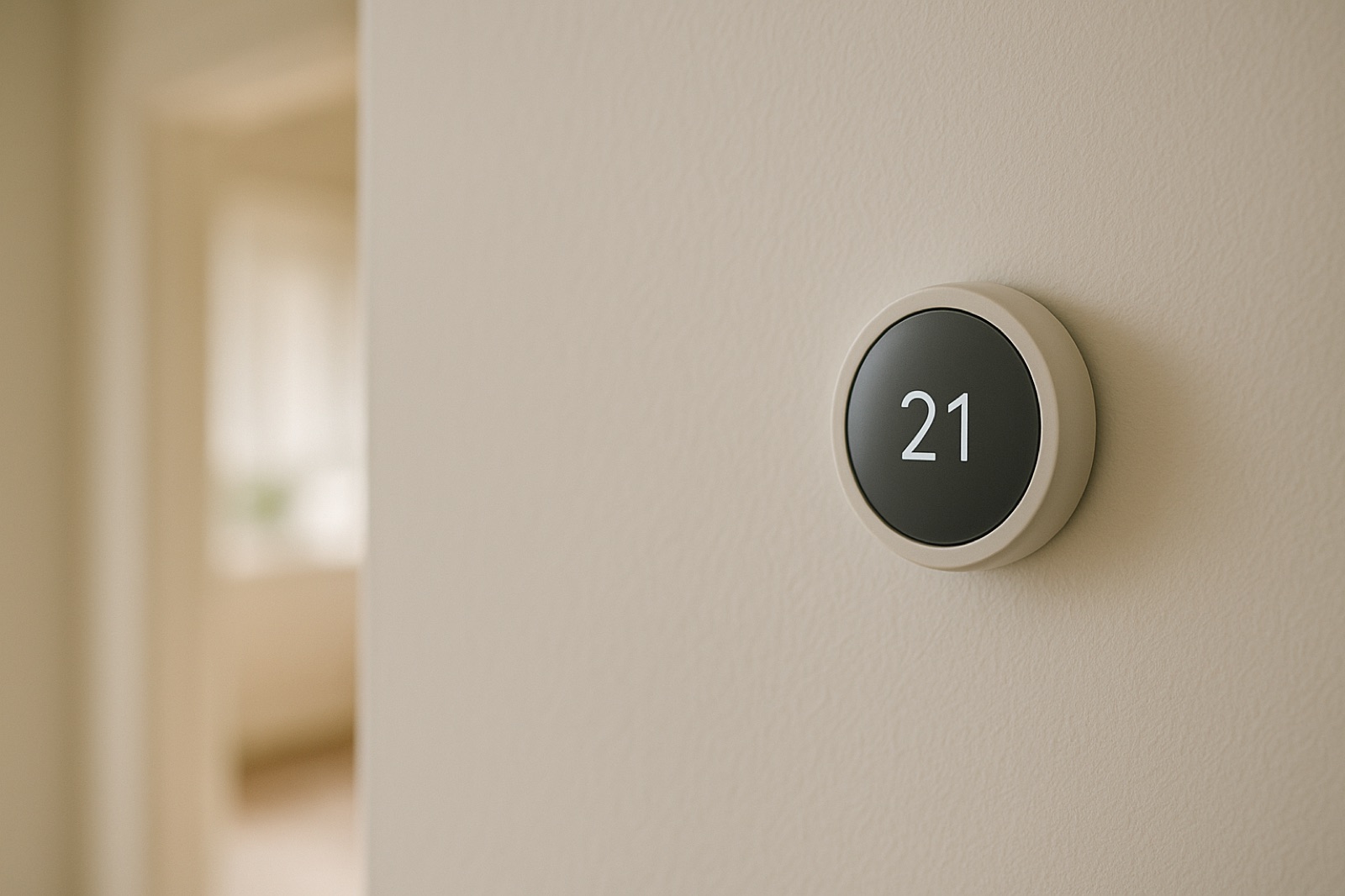
A house can look ready for aging in place while failing under ordinary use. The handrail is present, but loose. The hallway is clear at noon, but nearly black during a 2 a.m. bathroom trip. Dinner ingredients are stocked, but opening containers and carrying a hot plate have become difficult.
The useful question is not whether the home appears safe. It is whether the whole setup works when someone is tired, hurried, carrying something, or moving without help.
That testing mindset has a parallel in current trade coverage. ACHR News examines how HVAC buyers test an operation's story before accepting what the numbers seem to say. Families can apply the same discipline at home: inspect the claim, operate the equipment, and look for gaps between the plan and daily reality.
Start with paths, floors, and stairs
Walk every regular route wearing the shoes or slippers the older adult normally uses. Include the path from bed to bathroom, chair to kitchen, and exterior door to vehicle.
Remove cords, loose rugs, low baskets, and furniture that narrows a turn. Check whether carpet edges lift and whether flooring changes create a toe-catching lip. Test every railing with firm body weight. A rail that only looks secure does not pass.
On stairs, confirm that the first and last steps are easy to distinguish. Keep stored items off the treads. If laundry requires stairs, test the complete job, including carrying a basket while opening doors.
Test lighting after dark
Do this portion at night instead of guessing during daylight. Switch off decorative lamps and follow the actual route from the bedroom to the bathroom and kitchen.
Replace failed bulbs, add reachable switches where practical, and use motion-activated lights in hallways or closets that lack convenient controls. Look for glare on polished floors and deep shadows at steps. Label confusing wall switches in plain language.
Keep a flashlight where it can be reached from bed. Then verify that it works. A stored flashlight with dead batteries is inventory, not protection.
Work the bathroom like a wet room
Check the tub or shower entry, toilet transfer, towel location, and route to the light switch. Grab bars must be mounted for real loads, not attached with suction cups and treated as structural hardware.
Put soap, shampoo, and towels within easy reach so bathing does not require twisting or balancing. Test whether the bath mat slides. Confirm that the door can be opened if someone needs assistance from outside.
Audit medications without changing them
The home check is about organization, not prescribing. List where medications are stored, how refills are tracked, and what reminder system is actually used. Remove expired products through an appropriate disposal option, and keep instructions readable under the room's normal lighting.
Watch for a process that depends entirely on memory. A clearly labeled organizer, written schedule, alarm, or family check-in may make the routine easier to verify. Questions about doses, interactions, or missed medication belong with a pharmacist or clinician.
Run a complete meal test
Ask the older adult to demonstrate a normal meal from start to finish. Can they reach ingredients, read controls, open packaging, carry hot food, wash dishes, and store leftovers? Check smoke and carbon monoxide alarms according to their manufacturers' test instructions.
Move frequently used cookware and pantry items between knee and shoulder height. Replace unstable stools with safer access or relocate the item. Keep several simple meals available for days when standing and preparation are harder.
Check doors, exits, and wandering risks
Confirm that exterior doors lock properly while remaining usable during an emergency. Post the street address and emergency contacts where they are easy to find. If the person sometimes becomes confused about place or time, note which doors, hours, or routines create concern.
Avoid turning the home into a trap. Door alerts, scheduled check-ins, identification information, and a family response plan can add awareness without blocking an exit. Repeated confusion, unsafe departures, or inability to call for help deserves prompt discussion with the family and appropriate care professionals.
Know when the house is not the whole problem
Hardware cannot prepare lunch, notice a skipped routine, or provide standby help during a shower. Nonmedical home care may help when the home is basically workable but daily tasks, supervision, transportation, meal preparation, or personal routines are becoming unreliable.
For local next steps, families can find St. Louis help for aging at home and compare the kind of assistance that matches the gaps found during the walkthrough.
This checklist answers a visible information need. Homecomfortdispatch.com currently shows 2,720 page views, 1,082 visitors, 2,645 AI crawls, and 1,306 search crawls, with no assists or CRM leads yet. Those figures do not prove care demand or outcomes. They do support publishing a practical resource that lets families test the home before arranging help.
Finish by writing down each failure, the person responsible, and a completion date. Retest the route after changes are made. Aging in place is not a one-time inspection. It is a working system, and the system has to function room by room.
For homeowners planning ahead, coverage for home systems and appliances is a reasonable starting point.