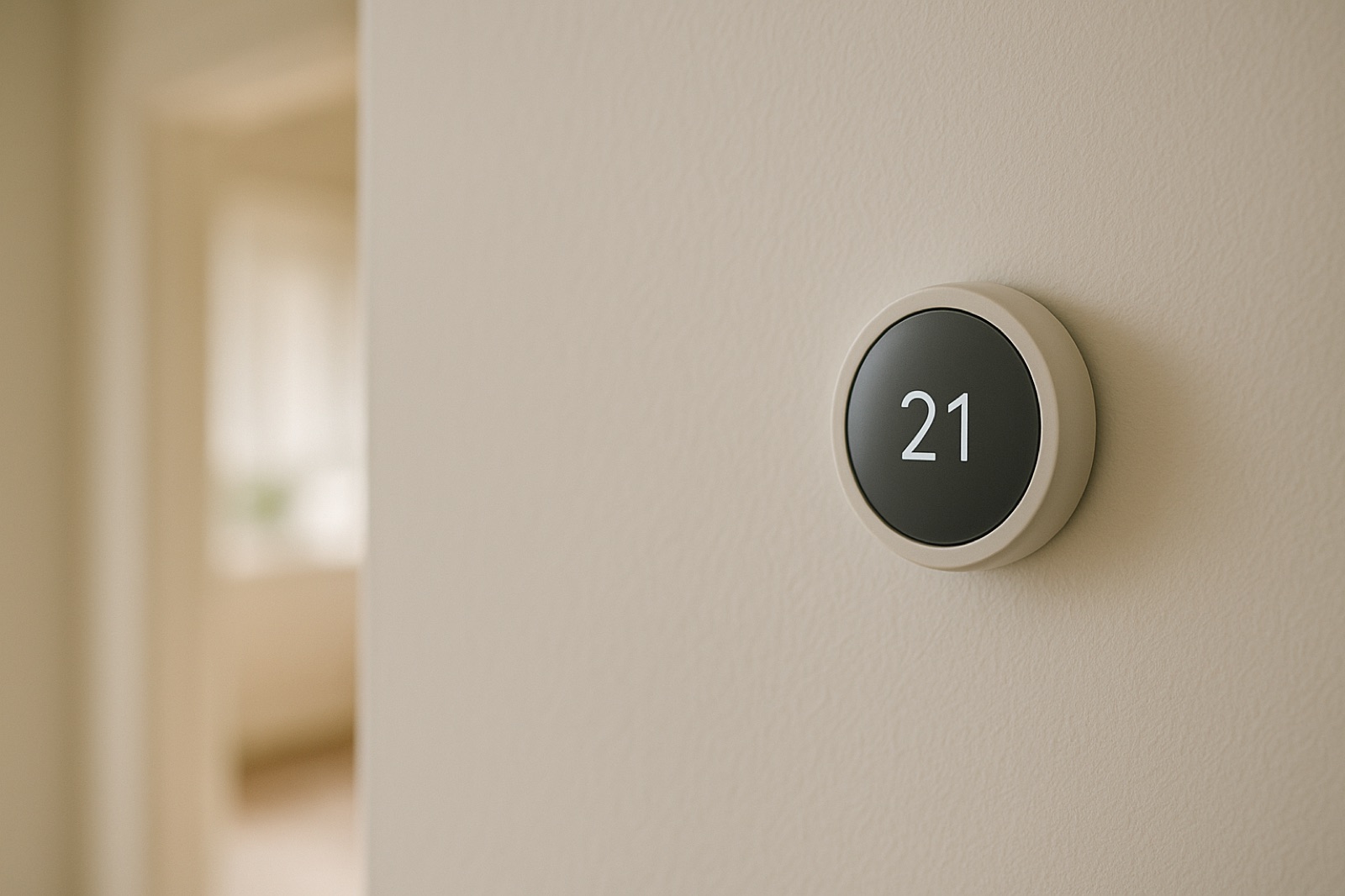
An old house and an old mechanical system present the same basic question: What can be maintained, what should be modified, and what has become too unreliable to trust?
ACHR News raises that question in its look at when aging HVAC equipment is worth repairing. The useful principle is that age alone does not settle the matter. Repair cost and the factors driving that cost matter too.
Families can apply similar triage to aging in place. Do not start with a shopping cart full of safety products. Walk the house, identify the failure modes, and decide whether each one calls for a repair, a change in routine, or another person.
Start at the entrance
Walk the route from the driveway to the usual chair while carrying a grocery bag. Look for loose steps, curled mats, abrupt level changes, unstable railings, and doors that require a shoulder to open. Confirm that exterior lights cover the lock, steps, and walking surface without producing glare.
Repair loose hardware and failed lamps promptly. Move packages, shoes, cords, and decorative objects out of the travel path. If balance support is needed, treat the railing as installed equipment: fasteners belong in sound framing, not just trim or drywall.
Test the living room as a walking circuit
Trace the path between the chair, thermostat, telephone, and bathroom. A clear aisle in daylight can become difficult when a floor lamp is off or a pet bed moves overnight. Secure rugs, route cords away from feet, and place switches where they can be reached before entering a dark area.
Check seating height and stability. A low sofa may be comfortable after sitting but difficult to leave. A chair used for leverage should not slide, swivel, or tip. This is also a good place for a working phone or call device that can be reached from the floor.
Give the bathroom a wet-condition inspection
Inspect this room with the tub or shower surface damp, not just dry. Check whether the user can reach soap, towels, controls, and a stable handhold without twisting. A towel bar is not a grab bar. Any support intended to carry body weight needs suitable mounting and a solid attachment point.
Add night lighting along the entire bedroom-to-bathroom route. Verify that the door can be opened if someone falls against it. Keep frequently used supplies between knee and shoulder height so routine tasks do not require deep bending or climbing.
Audit the kitchen by one complete meal
Watch the sequence required to prepare, eat, and clean up after a familiar meal. Check access to cookware, ingredients, water, controls, and seating. Move daily items away from high shelves and low cabinets. Replace unstable step stools rather than treating them as permanent kitchen equipment.
Meals may become unreliable even when the appliances work. Spoiled food, scorched pans, skipped meals, or difficulty carrying a plate point to a process problem. The practical fix might be simpler food preparation, labeled portions, delivered meals, or scheduled help.
Separate medication storage from medication decisions
Choose one well-lit location for medication storage and written instructions. Remove outdated lists and duplicate organizers so there is one current routine to follow. Families should not change doses or decide which medicines to stop. Questions about the regimen belong with the appropriate clinician or pharmacist.
The household task is to notice whether the system works. Look for unopened compartments, loose pills, confusing labels, and refills that are not obtained on time. If reminders no longer solve those failures, the plan needs human oversight.
Check bedrooms for nighttime failures
From the bed, confirm that a light, phone, glasses, and walking aid are reachable without standing in darkness. Secure the route to the door and bathroom. Test smoke and carbon monoxide alarms according to their instructions, and make sure their signals can be heard from the sleeping position.
If wandering or nighttime confusion is a concern, avoid improvised locks that could obstruct an exit. Door alerts, consistent lighting, identification information, and scheduled supervision can address different parts of the problem. Match the response to the behavior actually observed.
Know when the house is no longer the whole fix
A grab bar can improve support, but it cannot ensure someone uses it. A pill organizer can arrange doses, but it cannot confirm they were taken correctly. Nonmedical home care may help when the remaining gaps involve meal preparation, reminders, companionship, light housekeeping, transportation, or supervision rather than a building defect.
Families defining that boundary can use a before-we-talk checklist for families considering home care. Local readers can also find St. Louis help for aging at home after documenting which tasks are failing, when they fail, and what the household has already changed.
The publishing numbers behind this demand deserve a careful reading: Home Comfort Dispatch has recorded 2,720 pageviews, 1,082 visitors, 2,645 AI crawls, and 1,306 search crawls, with no assists or CRM leads yet. That shows attention and machine discovery, not proof that families have arranged care. The useful response is a checklist that helps readers diagnose the house and the daily routine before anyone discusses services.