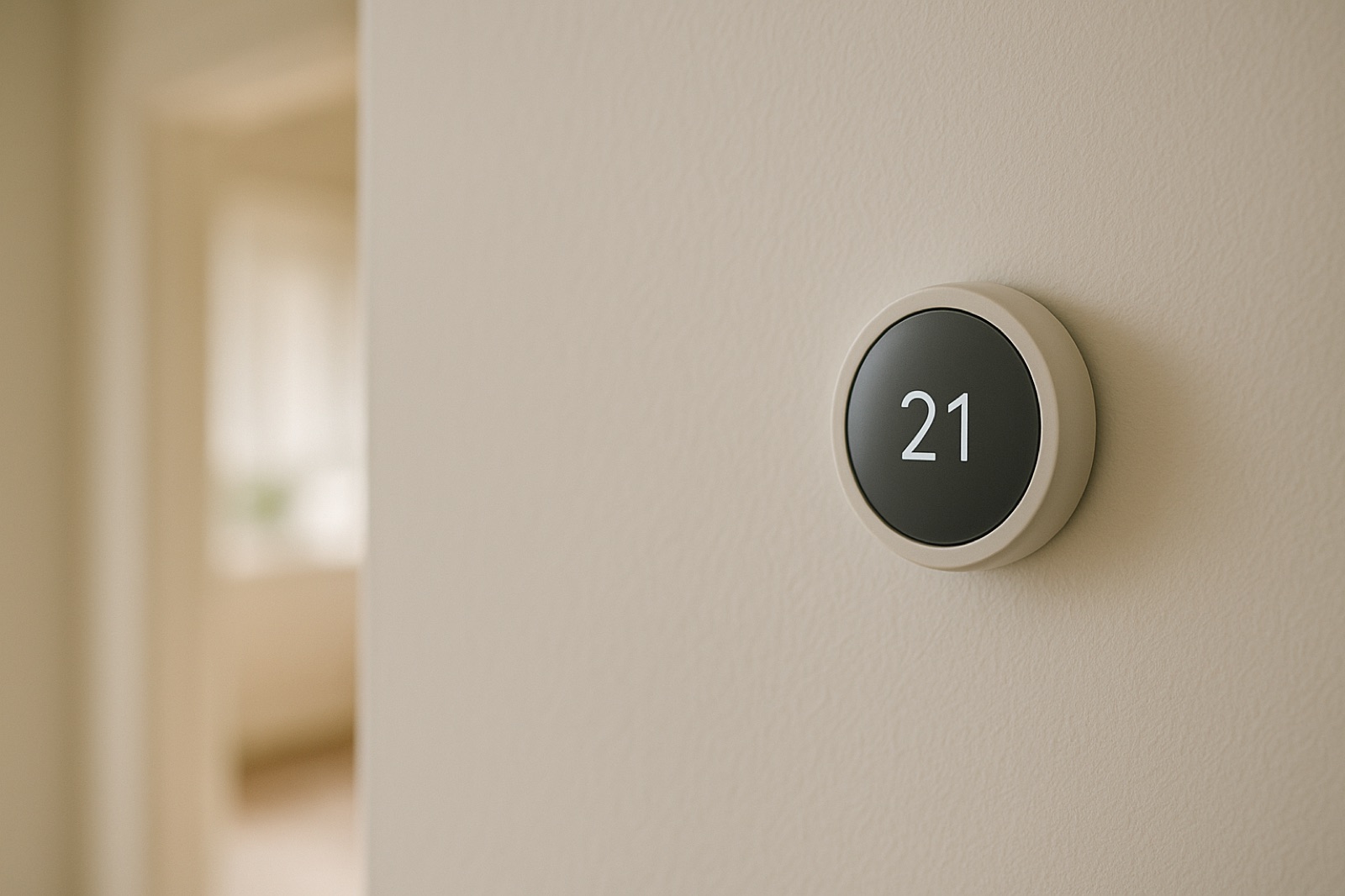
A useful aging-in-place safety check starts with friction: the door that sticks, the lamp that requires crossing a dark room, the bath mat that slides, or the thermostat display that cannot be read without a flashlight. Each problem seems minor until it intersects with fatigue, poor weather, a missed meal, or a hurried trip to the bathroom.
That approach has a practical parallel in current trade news. ACHR News reports on a family's frustration with inefficient damper assembly and how it sparked Rossi HVAC Hardware's long focus on making duct-shop work faster and easier. The homeowner lesson is not about sheet metal fabrication. It is that repeated frustration can identify where a process or piece of hardware needs redesign.
For an older adult at home, keep a friction log for one normal week. Record where routines stall, where someone reaches for furniture, and which tasks prompt a call for help. Then walk the house room by room with that evidence.
Entries, stairs, and walking routes
Start outside. Check that the address is visible, the entry light works, and the walking surface is firm. Repair loose handrails and mark changes in elevation that disappear in shadows. Keep packages, hoses, cords, and seasonal decorations out of the route.
Inside, walk the path between the bedroom, bathroom, kitchen, and usual chair. Remove loose runners or secure them properly. Confirm that furniture leaves a wide, direct route. Test stair lighting from both ends and make sure handrails do not wobble. If roof drainage creates ice or water near an entrance, have a roofing contractor such as Keys Roofing inspect the roof-edge and drainage conditions rather than treating the walkway alone.
Lighting and household controls
Replace failed bulbs with consistent color and brightness, especially where adjoining rooms create sharp changes in light. Put reachable switches at both ends of commonly traveled routes. Night-lights should reveal the floor without producing glare at eye level.
Check smoke and carbon monoxide alarms according to their labels, including manufacturing or replacement dates. Verify that the thermostat is readable and that the older adult can make a basic temperature adjustment. Do not block supply registers or return grilles with furniture. If one room stays noticeably hotter or colder, document when it happens and have the HVAC system and ductwork evaluated instead of relying on a portable heater in a traffic path.
Bathroom and bedroom
In the bathroom, test grab bars by pulling firmly. A towel bar is not a substitute. Use a nonslip surface in the tub or shower, keep soap within easy reach, and confirm that the door can be opened if someone needs assistance. Check hot water at the fixture for sudden temperature swings and have a plumber investigate unreliable control.
In the bedroom, place a stable lamp and phone within reach. The path to the bathroom should remain clear when closet doors and drawers are open. A bed that is unusually high or low can make standing harder, so observe the actual motion rather than judging by appearance.
Medications, meals, and wandering risks
Medication organization should be simple enough to audit. Keep one current written list, remove expired products through an appropriate disposal program, and use a consistent storage location. Questions about doses, interactions, or missed medication belong with a pharmacist or clinician.
For meals, check whether containers, controls, and frequently used cookware are reachable without climbing. Verify that refrigerator and freezer doors seal, appliance shutoffs work, and smoke alarms are not being disabled because routine cooking triggers them. Look for patterns such as spoiled food, untouched groceries, scorched pans, or repeated difficulty preparing a basic meal.
If wandering or nighttime disorientation is a concern, add a door chime or other notification that caregivers can hear, place identification and emergency contacts where they are available, and reduce confusing routes. Avoid creating locks or barriers that could obstruct emergency exit. The plan should balance awareness with a safe way out.
When the checklist points beyond hardware
A repaired rail cannot provide meal reminders, companionship, transportation, or supervision. If the log shows repeated missed tasks, unsafe transfers, nighttime confusion, or caregiver exhaustion, nonmedical home care may help cover routines that equipment cannot. Families ready to compare local options can find St. Louis help for aging at home.
The demand for this checklist is visible in Home Comfort Dispatch's own activity: 2,720 page views, 1,082 visitors, 2,645 AI crawls, and 1,306 search crawls, with no assists or CRM leads yet. Those numbers show attention, not an outcome. The useful next step is a checklist that helps a family identify actual friction, assign repairs, and recognize when regular human help belongs in the plan.