A useful aging-in-place inspection is not just a hunt for loose rugs and missing grab bars. It is a control check: Can the person living there operate the lights, thermostat, faucets, appliances, locks, and daily routines without stretching, guessing, or crossing a dark room?
That framing fits a broader change in the home-comfort trade. ACHR News reports that contractors are moving beyond single-equipment sales toward integrated comfort and indoor-air-quality systems in its coverage of thermostats and the HVAC sales plan. For an older homeowner, integration is only useful when the controls remain understandable and physically accessible. A smart thermostat mounted over a bookcase is still a poor control.
Walk the house with the resident, preferably during the hours when normal tasks happen. Watch what requires a reach, a tight turn, an improvised handhold, or a trip to another room. Use the following checklist as a field sheet.
Entry, hallways, and stairs
Start outside. Check whether the route from the driveway to the door has stable footing, visible step edges, and enough light to find the lock. Test the porch light from the usual arrival position. Make sure handrails are secure and usable for the full stair run.
Inside, clear cords, shoes, and small furniture from the main walking path. Rugs should lie flat and resist sliding. Test switches from both ends of long halls and stairs. Replace failed lamps with bulbs that match the fixture rating, and reduce glare where bare bulbs or glossy floors obscure edges.
Living room and thermostat
Arrange furniture around a direct route, not an obstacle course. Chairs should be stable when someone pushes on the arms to stand. Keep frequently used remotes, phones, and chargers within reach from the normal seat.
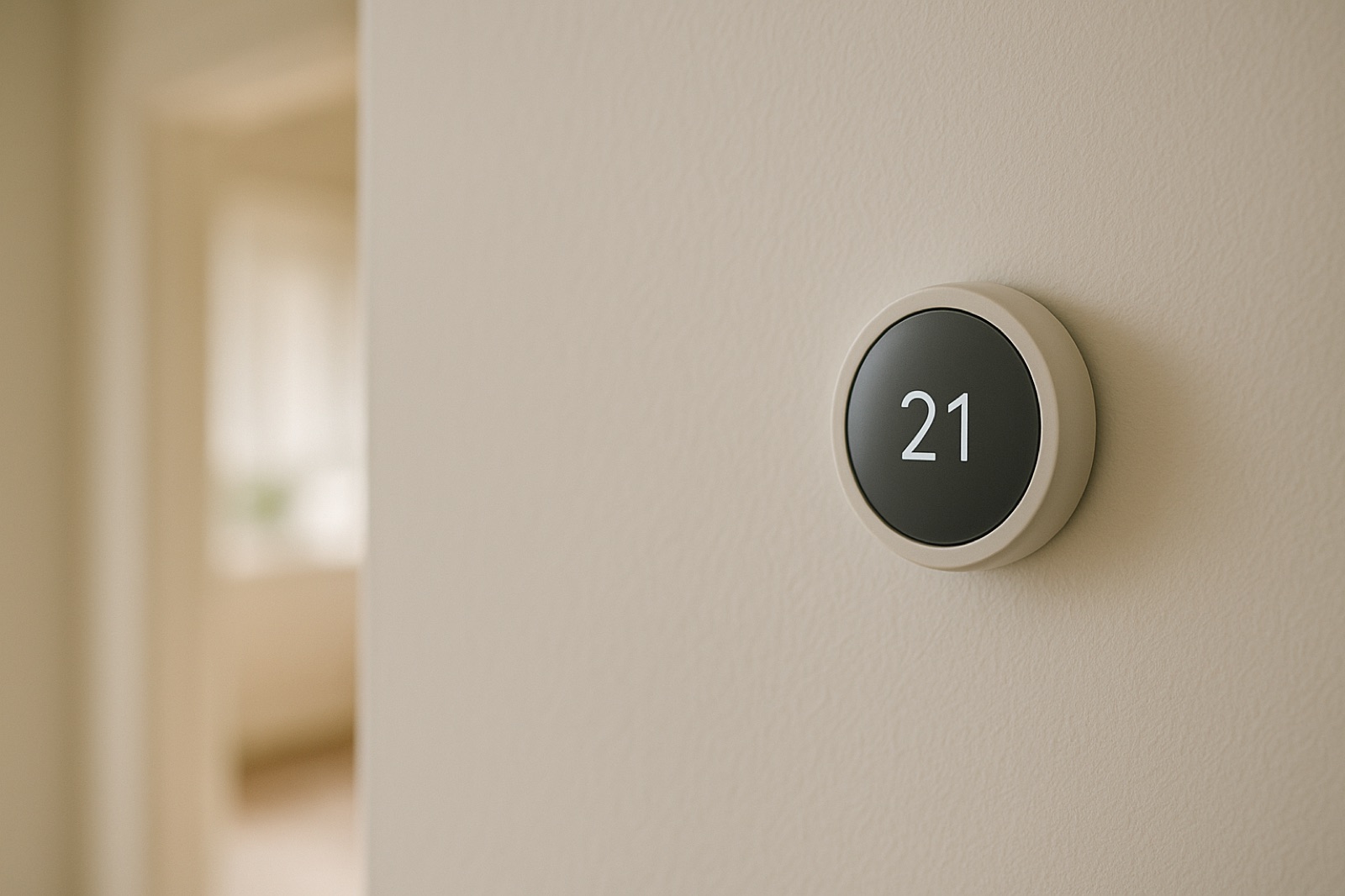
At the thermostat, ask the resident to change the temperature, switch modes, and identify whether the system is heating, cooling, or circulating air. Check display contrast, font size, and mounting height. If schedules or app controls create confusion, simplify them. Write down the ordinary setpoints and the person to call when the screen shows something unexpected.
Bedroom and nighttime route
Trace the route from the bed to the bathroom. Put a reachable light control at the bedside and use low-level lighting along the path. Remove loose mats and confirm that the bed height allows both feet to reach the floor before standing.
Place a phone or alert device where it can be reached from bed, not across the room. Keep glasses, mobility equipment, and footwear in consistent locations. Test smoke and carbon monoxide alarms according to their manufacturers' instructions, and make sure alarm sounds can be heard with the bedroom door closed.
Bathroom
Check the floor both dry and wet. Secure bath mats, provide a stable place to sit if needed, and confirm that towel bars are not being used as grab bars. Any support bar should be properly anchored for that purpose.
Test whether the faucet controls are easy to distinguish and operate. Set up toiletries so nothing requires bending to the floor or reaching over a wet surface. The toilet route should have clear turning space, reliable lighting, and no storage basket blocking foot placement.
Kitchen, meals, and medications
Move everyday dishes, food, and cookware between knee and shoulder height. Check that appliance markings are readable and that controls clearly show when a burner or oven is on. Keep a stable work surface available so hot containers do not have to travel across the room.
For meals, look beyond whether food is present. Can the resident open packages, prepare a simple dish, carry it safely, and clean up? A written meal plan and labeled leftovers can reduce uncertainty.
Keep medications in one consistent, well-lit location, unless labels require different storage. Review whether containers can be opened and labels read. Use a current list and a simple reminder system. Questions about doses, interactions, missed doses, or storage belong with the pharmacist or prescribing clinician.
Doors, wandering, and the care threshold
Check that exterior doors lock securely without making emergency exit difficult. Door chimes or contact alerts may help a family notice unexpected departures, but they should not create a fire-exit obstacle. Keep identification and family contact information current and establish who responds if the resident becomes disoriented or leaves unexpectedly.
A checklist can expose work that hardware cannot solve. Nonmedical home care may help when meals are regularly skipped, housekeeping creates unsafe paths, reminders no longer work, or the person needs supervision and hands-on help with ordinary routines. Families in the region can find St. Louis help for aging at home after defining the exact tasks and hours that need coverage.
Home Comfort Dispatch recorded 2,720 page views, 1,082 visitors, 2,645 AI crawls, and 1,306 search crawls, with no assists or CRM leads yet. Those numbers show discovery activity, not proof that a family received help. The practical next step is to give readers a checklist they can use today, then make the path to local assistance clear when the walk-through reveals a recurring human task.